Thane Water Crisis Threatens Summer Supply Stability
Thane is facing mounting concerns over water availability as reservoir levels feeding the city have declined sharply, raising the likelihood of supply restrictions in the coming weeks. With storage levels hovering below one-third of capacity, the situation highlights increasing stress on urban water systems amid rising demand and uncertain monsoon forecasts. The emerging Thane water crisis is being compounded by an existing mismatch between supply and consumption. Current daily availability falls short of the city’s estimated requirement, leaving a structural deficit even before seasonal pressures intensify. As temperatures rise and demand peaks during summer months, the gap is expected to widen further.
A portion of Thane’s water supply is dependent on external sources, including allocations routed through Mumbai’s network. Any reduction in these flows is likely to have a cascading effect, particularly in neighbourhoods that rely heavily on such supply channels. Localities such as Kopri and Wagle Estate are considered especially vulnerable due to their dependence on these shared resources. Urban planners point out that the Thane water crisis reflects a broader pattern across rapidly expanding cities, where infrastructure development has struggled to keep pace with population growth. With the urban population crossing several million, demand has steadily outstripped the capacity of existing water systems, many of which were designed for significantly lower densities. Climate variability is adding another layer of uncertainty. Forecasts indicating below-average rainfall have heightened concerns about reservoir replenishment in the upcoming monsoon cycle. For cities dependent on seasonal inflows, even minor deviations in rainfall patterns can translate into prolonged supply stress, affecting households, businesses, and public services.
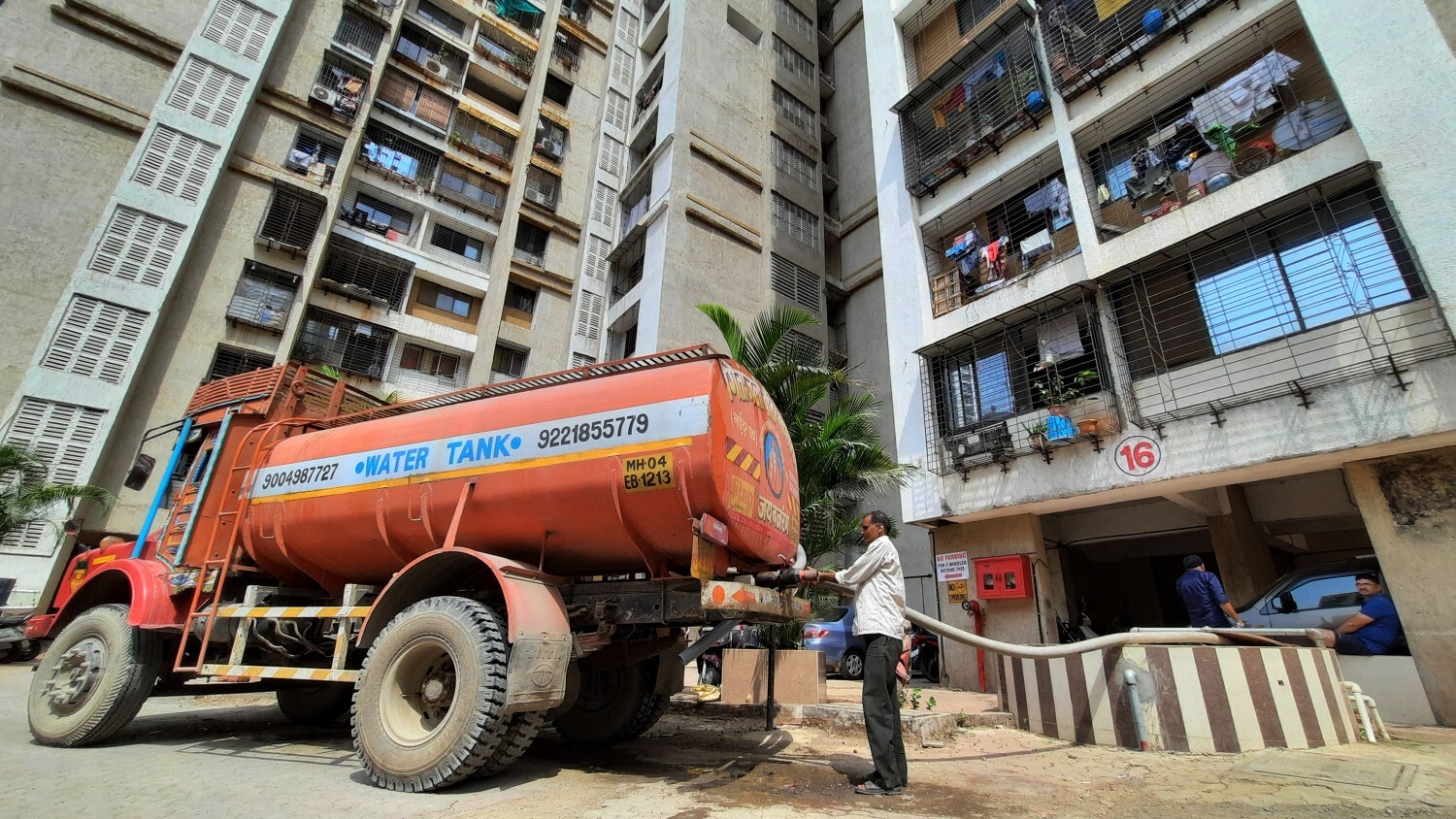
From an economic perspective, water shortages can disrupt industrial activity and increase reliance on alternative sources such as tanker supply, which often comes at a higher cost. For lower-income households, the impact is more immediate, as limited storage capacity and financial constraints reduce their ability to cope with prolonged cuts. Experts emphasise that addressing the Thane water crisis will require a combination of short-term demand management and long-term infrastructure investment. Measures such as leak detection, efficient distribution, and reuse of treated wastewater could help optimise existing resources. At the same time, expanding storage capacity and diversifying supply sources remain critical to building resilience. The situation also underscores the need for integrated regional planning. As urban clusters like Mumbai and Thane become increasingly interconnected, water management strategies must account for shared dependencies rather than operate in isolation.
In the near term, authorities are expected to monitor reservoir levels closely and calibrate supply measures accordingly. For residents, the coming weeks may require careful water use and preparedness for potential restrictions. Over the longer horizon, the crisis serves as a reminder that sustainable urban growth will depend on aligning infrastructure planning with environmental realities and resource limits.