


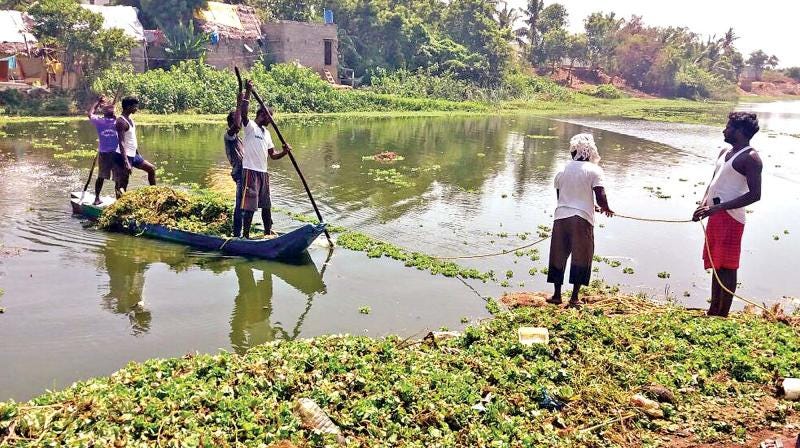
Residents in parts of Chennai are intensifying calls for the restoration of Sembakkam Lake, alongside broader demands for improved civic infrastructure following recent local electoral developments. The renewed focus on Sembakkam Lake revival reflects growing public awareness around the role of urban water bodies in managing flooding, supporting ecosystems, and enhancing liveability.
Community groups have highlighted concerns ranging from encroachments and pollution to inadequate maintenance of the lake and its surroundings. These issues, residents argue, have reduced the water body’s capacity to function as a natural drainage system, increasing the risk of waterlogging during heavy rains. The push for Sembakkam Lake revival is therefore not only environmental but also tied to everyday urban resilience.Urban planners note that Chennai’s historic network of lakes and wetlands once played a critical role in flood mitigation. However, rapid urbanisation has led to fragmentation and degradation of many such systems. Restoring these water bodies is increasingly being seen as a cost-effective and sustainable alternative to purely engineered drainage solutions.The demands extend beyond the lake itself.Residents have also pointed to gaps in road infrastructure, waste management, and stormwater drainage in surrounding neighbourhoods. Experts suggest that addressing these issues in isolation may not yield long-term results.Instead, integrated planning that links lake restoration with broader civic upgrades is essential to create a resilient urban ecosystem.
From an environmental perspective, reviving Sembakkam Lake could deliver multiple benefits. Improved water quality, increased groundwater recharge, and enhanced biodiversity are among the potential outcomes. Additionally, well-maintained lakes can serve as public spaces, contributing to community well-being and social cohesion.Policy analysts emphasise that local governance plays a crucial role in translating such demands into action. Electoral outcomes often shape priorities, and the current momentum presents an opportunity for authorities to align civic investments with community needs. Transparent planning processes and regular stakeholder engagement can help ensure that restoration efforts are both effective and inclusive.There are also economic considerations.Infrastructure improvements and environmental restoration can enhance property values and attract investment, but they require sustained funding and institutional coordination. Experts caution that one-time interventions are unlikely to deliver lasting impact without ongoing maintenance and monitoring.The focus on Sembakkam Lake revival reflects a broader shift in urban discourse, where citizens are increasingly advocating for sustainable and nature-based solutions to city challenges.
As climate risks intensify, such initiatives are likely to gain prominence across Indian cities.For Chennai, the response to these demands could set a precedent for how urban water bodies are managed in the future. Ensuring that restoration efforts are integrated, inclusive, and environmentally sound will be key to building a more resilient and liveable city.
Also Read:Chennai CIT Colony Faces Civic Issues Amid Growth
