


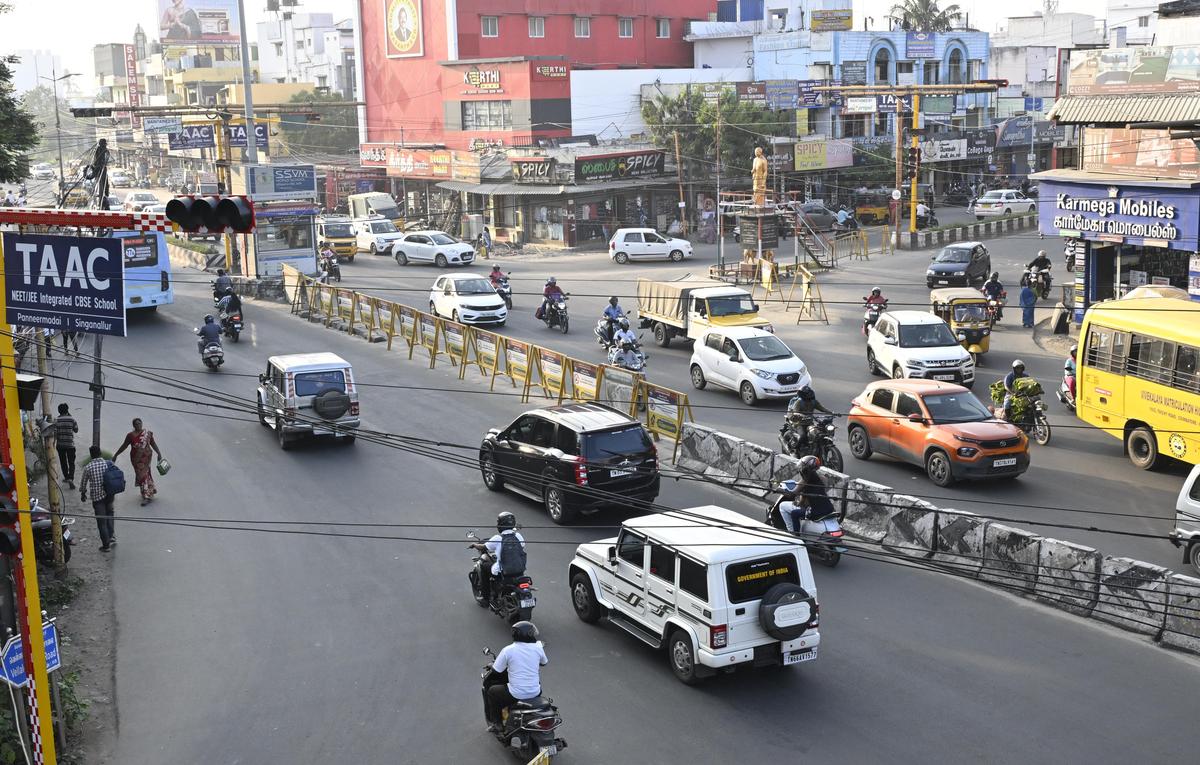
Residents of CIT Colony in Chennai are raising concerns over increasing commercial activity in the area, warning that unregulated growth is straining local infrastructure and eroding residential liveability. The situation highlights the growing tension between mixed-use urban development and the need for adequate civic amenities in established neighbourhoods.Over recent years, parts of the locality have witnessed a steady conversion of residential properties into commercial establishments.
While such transitions often reflect economic dynamism, residents argue that the pace of change has outstripped the capacity of supporting infrastructure. Issues such as traffic congestion, inadequate parking, and pressure on basic services have become more visible, pointing to gaps in planning and enforcement.Urban planners note that neighbourhoods like CIT Colony were originally designed with a specific residential density and infrastructure load in mind. As land use shifts without corresponding upgrades in civic systems, the imbalance can affect both quality of life and long-term sustainability. The concerns raised in the area reflect a broader challenge facing Indian cities, where zoning regulations are often reinterpreted in response to market demand.The strain is particularly evident in essential services. Residents have highlighted issues related to waste management, drainage, and road maintenance, suggesting that existing systems are not equipped to handle increased commercial activity. Experts emphasise that such pressures, if unaddressed, can lead to long-term degradation of urban environments, making neighbourhoods less resilient to both daily stress and extreme events.
The situation also raises questions around governance and regulatory oversight. Effective urban management requires clear guidelines on land use, along with mechanisms to ensure compliance. Without consistent enforcement, incremental changes can accumulate into significant structural challenges, as seen in CIT Colony.From a socio-economic perspective, the shift towards commercialisation can bring both opportunities and trade-offs. While businesses generate employment and economic activity, they can also alter the character of residential areas. Balancing these outcomes requires a nuanced approach that considers the needs of both residents and enterprises.Environmental considerations add another layer to the issue. Increased vehicular movement and reduced open spaces can contribute to higher pollution levels and reduced urban greenery. Integrating sustainable practices—such as improved public transport access, green buffers, and better waste management—can help mitigate some of these impacts.For Chennai, the concerns emerging from CIT Colony underscore the importance of proactive urban planning. As the city continues to grow, ensuring that infrastructure keeps pace with land-use changes will be critical to maintaining liveable and inclusive neighbourhoods.
The way forward may involve revisiting zoning policies, strengthening civic services, and engaging communities in planning decisions. Addressing these challenges early can help prevent similar issues from escalating across other parts of the city, shaping a more balanced and sustainable urban future.
Also Read:Chennai Property Tax Payments Go Digital With QR Codes
