HomeCitiesNavi Mumbai Faces Severe Heatwave And Humidity Stress Navi Mumbai Faces Severe Heatwave And Humidity Stress
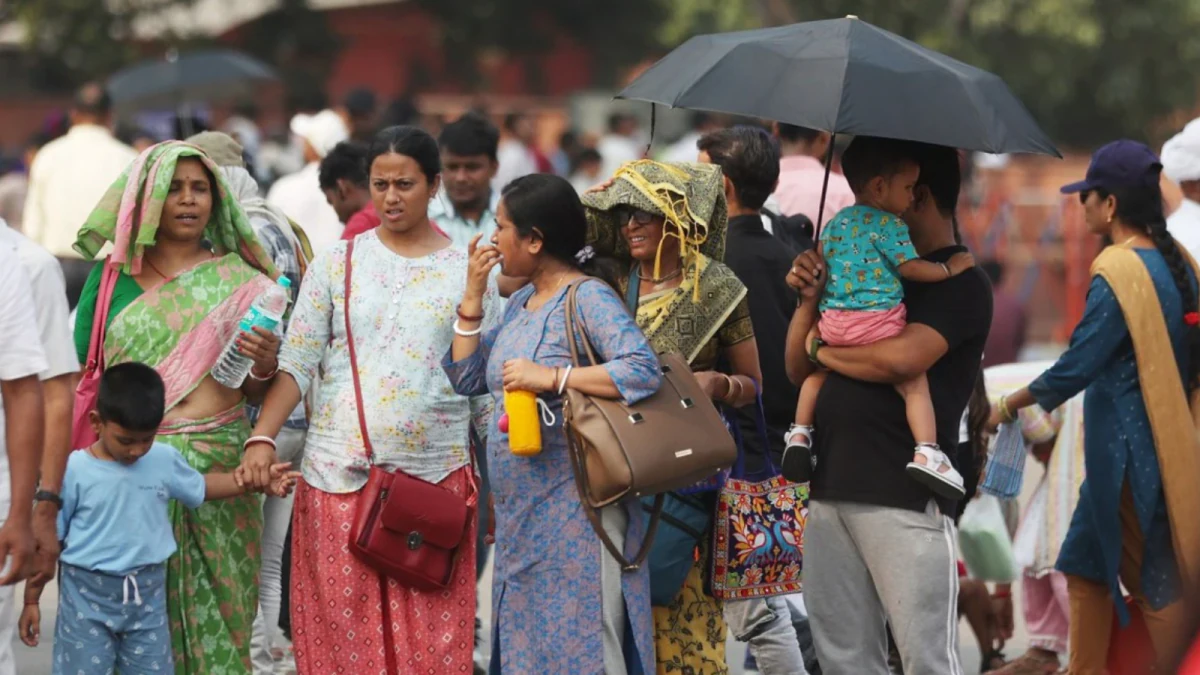
Navi Mumbai is experiencing an extended spell of extreme summer conditions, with temperatures nearing 40°C and high humidity amplifying heat stress across the region. The persistence of this heatwave is raising concerns about public health, urban resilience, and the ability of rapidly growing cities to cope with intensifying climate patterns. Over recent weeks, daytime temperatures have consistently remained well above seasonal averages, while humidity levels have pushed the perceived temperature significantly higher. This combination has limited the body’s ability to cool itself, increasing the risk of heat-related illnesses. Urban health specialists indicate that such conditions can accelerate fatigue, dehydration, and in severe cases, heatstroke—particularly among vulnerable populations.
The current Navi Mumbai heatwave reflects a broader climatic shift affecting coastal cities. Meteorological assessments suggest that delayed sea breeze circulation and stagnant atmospheric conditions are contributing to prolonged periods of heat retention. Unlike previous years, when temperatures moderated more frequently, this season has seen sustained heat intensity with minimal night-time relief, compounding stress on residents. For a city that continues to expand through new residential and commercial developments, the implications extend beyond immediate discomfort. Urban planners highlight that dense construction, limited green cover, and heat-absorbing surfaces are intensifying the urban heat island effect. This phenomenon traps heat within built-up areas, making cities warmer than their surrounding regions and increasing energy demand for cooling. The impact is particularly visible among daily commuters and outdoor workers. Long travel hours, crowded transport systems, and limited shaded infrastructure are exacerbating exposure to extreme conditions.
For many, the heat is affecting productivity, concentration, and overall well-being, pointing to the need for more climate-sensitive urban design. From an infrastructure standpoint, sustained high temperatures can also strain electricity networks as demand for cooling rises. This places additional pressure on urban systems already coping with population growth and resource constraints. Experts suggest that integrating passive cooling measures, such as reflective materials, shaded walkways, and expanded tree cover, could help mitigate long-term risks. The Navi Mumbai heatwave also underscores the importance of climate-adaptive planning in the Mumbai Metropolitan Region. As cities face more frequent and intense heat events, resilience strategies must move beyond short-term advisories towards structural interventions. This includes rethinking land use, improving public transport comfort, and ensuring access to cooling spaces in densely populated areas.
Authorities continue to advise residents to minimise outdoor exposure during peak hours and maintain hydration. However, as extreme weather events become more common, the focus is likely to shift towards building urban environments that can withstand rising temperatures while safeguarding public health.
Navi Mumbai Faces Severe Heatwave And Humidity Stress