


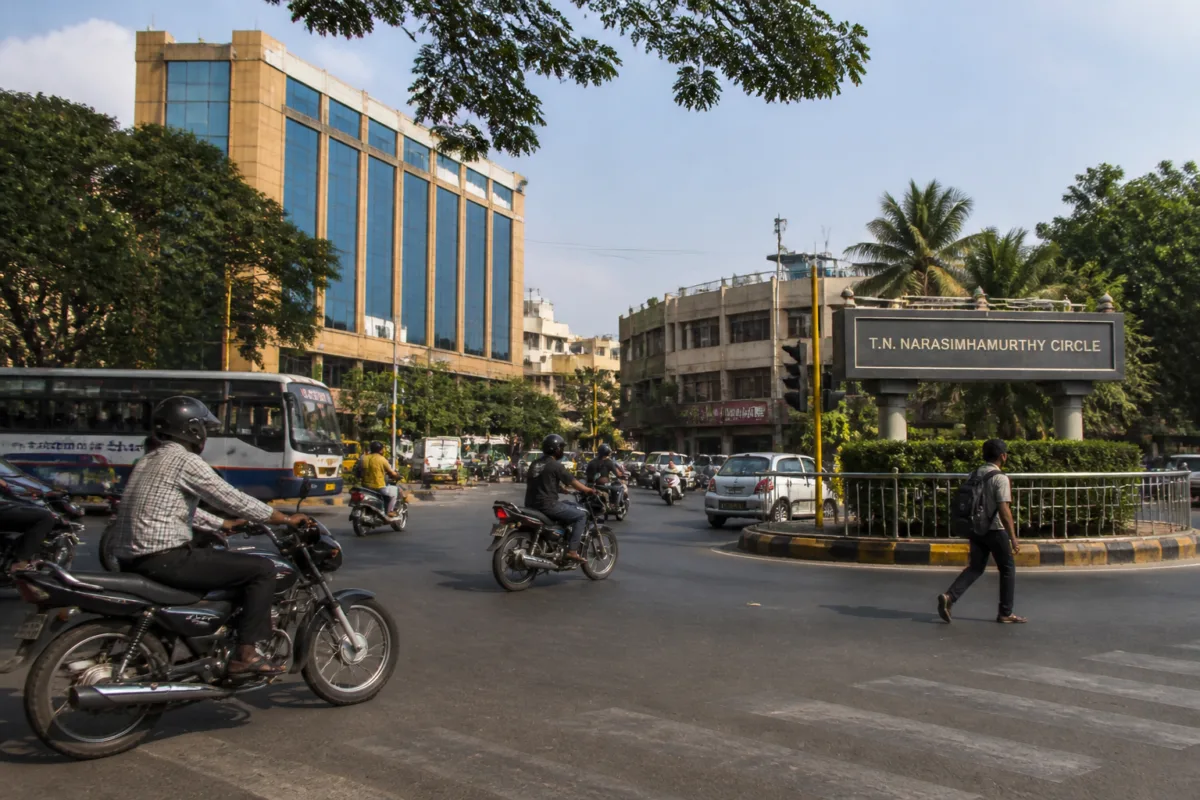
A proposed memorial for Arjuna, the Mysuru Dasara elephant, has triggered a dispute over the future of the T.N. Narasimhamurthy Circle near the Life Insurance Corporation office in Bannimantap. The controversy centres on whether a memorial can be added without weakening the identity of a traffic circle named after a former minister and Dalit leader.
Mysuru MP Yaduveer Krishnadatta Chamaraja Wadiyar has clarified that there is no proposal to change the circle’s existing name. According to a report by Prajavani, he said the memorial would not affect the circle’s current name or identity and that steps would be taken to install a new, prominent sign clearly displaying the existing name.
The clarification followed a protest by Dalit organisation leaders outside the Mysuru City Corporation. The protesters opposed the selection of the circle as the site for the proposed Arjuna memorial and called for another location to be chosen. They said the circle had been named after T.N. Narasimhamurthy through a municipal general body resolution in 2003 and already carried a name board.
The protesting leaders said they did not oppose honouring Arjuna, who played a prominent role in Mysuru’s Dasara procession. Their objection was to placing the memorial at a circle named after a Dalit leader. They suggested that other locations, including Highway Circle, could be considered instead.
The dispute highlights a practical question for city authorities: whether a memorial can be inserted into an existing public space while preserving the site’s established civic meaning. A name board may address the immediate concern about identification, but the location itself can carry historical and social significance beyond its function as a traffic junction.
Wadiyar said the proposed memorial is intended to honour Arjuna’s contribution to Dasara and the affection he earned among people in Karnataka. He described the memorial as a representation of the elephant’s courage, strength, discipline and dignity. He also said the existing name and identity of the circle would be retained and that the two objectives could be coordinated through development work.
The report said Wadiyar and MLA Tanveer Sait had earlier held a meeting on the proposed memorial. However, the protesting leaders alleged that the circle’s existing official naming had not been adequately considered while selecting the site. They demanded that the location be changed and any proposal to rename the circle be dropped.
At present, the reported position from the MP is that the circle will not be renamed. The remaining issue is whether the proposed memorial will proceed at the site and, if so, how its design, signage and placement will preserve the circle’s existing identity. The report does not provide details of an approved design, construction schedule, budget or final decision by the municipal authorities.
For Mysuru, the disagreement is therefore not only about a memorial. It is also about how public spaces are named, commemorated and altered, and how municipal decisions can acknowledge both cultural memory and the historical representation already attached to an urban landmark.

