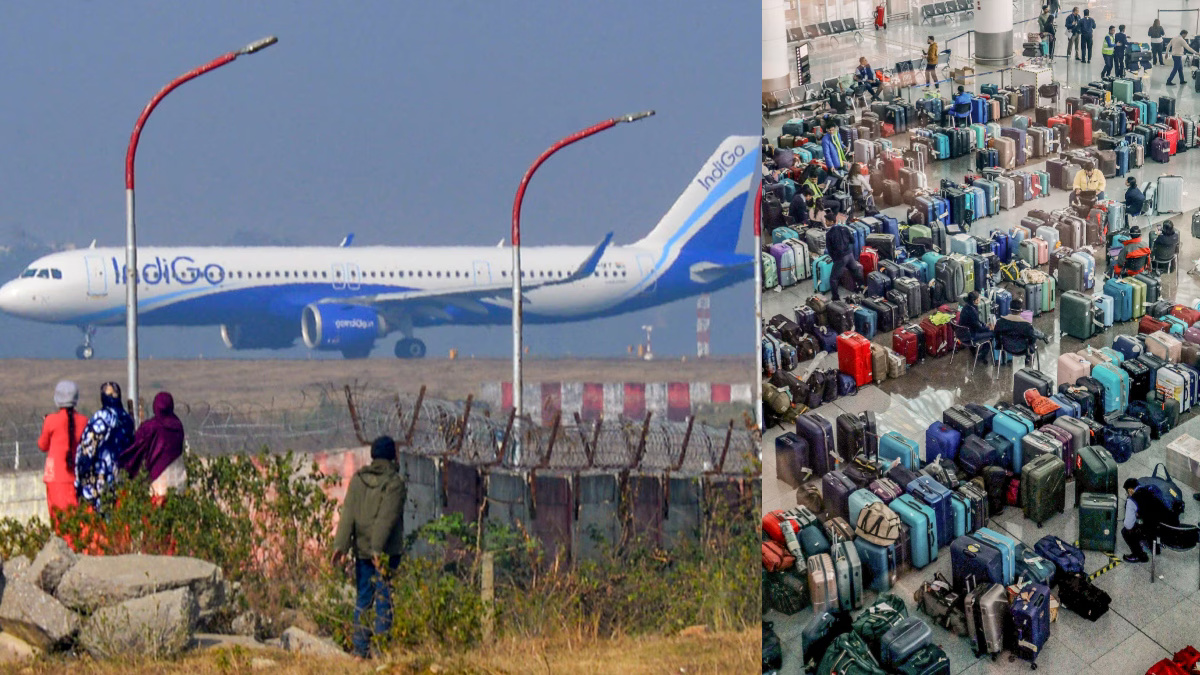
Mumbai Airport Flight Disruptions Hit Passenger Travel
Operations at Mumbai’s primary aviation hub were disrupted this week after a series of flight cancellations and delays affected passengers travelling on a low-cost carrier, underscoring the fragility of airline operations in high-density urban networks. The Mumbai airport flight disruptions left hundreds of travellers navigating uncertainty, with ripple effects across domestic routes and connecting journeys. The immediate cause of the disruption has been linked to a combination of aircraft unavailability, staffing constraints, and cascading delays originating from earlier sectors. In tightly scheduled aviation systems, such disruptions can quickly compound, particularly when fleet capacity is limited and contingency buffers are minimal. The result is a breakdown in schedule reliability that directly impacts passengers and airport operations.
For Mumbai, one of India’s busiest aviation gateways, such incidents carry wider implications. Airports function as critical nodes in urban economies, supporting business travel, tourism, and logistics. When services become unpredictable, the economic cost extends beyond individual passengers to include missed connections, delayed cargo movement, and reduced operational efficiency. The Mumbai airport flight disruptions also highlight structural challenges within the aviation sector, particularly among carriers operating with constrained financial and operational flexibility. Industry observers note that fleet grounding—often due to maintenance cycles or leasing disputes—can significantly reduce available capacity, leaving airlines vulnerable to even minor disruptions. Weather variability adds another layer of complexity. Delays at upstream locations, especially during adverse conditions, tend to cascade through networked operations. In hub-based systems, where aircraft and crew rotate across multiple routes, a single delay can affect schedules across cities, including major hubs like Mumbai.
Passenger experience during such events has emerged as a critical concern. Reports of limited communication and inadequate support mechanisms point to gaps in crisis management frameworks. Aviation experts argue that while disruptions may be unavoidable, transparent communication and timely assistance are essential to maintaining trust and ensuring passenger welfare. From a regulatory perspective, repeated service disruptions raise questions about operational resilience and oversight. Strengthening monitoring mechanisms and enforcing service standards could help ensure that airlines maintain adequate buffers and contingency plans. This is particularly relevant as air travel demand continues to grow alongside urbanisation and economic activity. The Mumbai airport flight disruptions also intersect with broader sustainability considerations. Efficient airline operations contribute to reduced fuel consumption and lower emissions, while repeated delays and diversions can increase environmental impact. Improving operational reliability is therefore not only a commercial priority but also an environmental one.
As airlines work to restore normal schedules, the episode serves as a reminder of the interconnected nature of urban transport systems. For cities like Mumbai, ensuring resilience across air, rail, and road networks will be essential to supporting economic growth and delivering reliable mobility for citizens.