


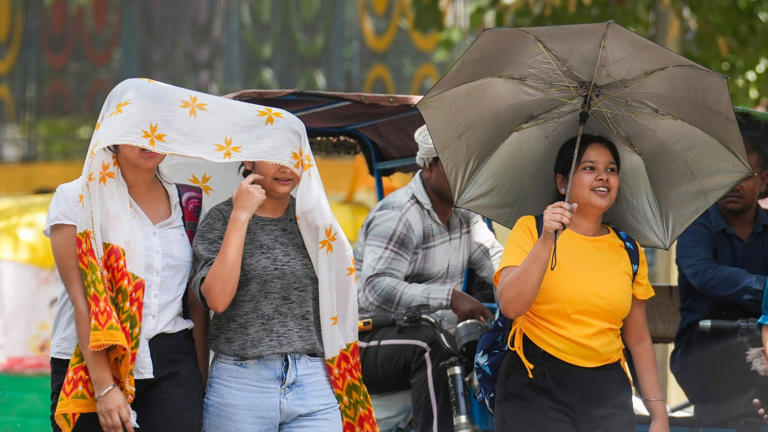
Temperatures in Chennai have surged to around 40°C, marking a significant escalation in the ongoing heatwave and intensifying concerns around Chennai heatwave impacts on urban life. The prolonged spell of high temperatures is not only affecting daily routines but also exposing structural vulnerabilities in how cities manage rising climate stress.
Meteorological trends indicate that such extreme heat events are becoming more frequent and prolonged, reflecting broader shifts linked to climate change. In dense urban environments like Chennai, the heat island effect—where built-up areas retain more heat—can push temperatures even higher than surrounding regions. This makes the Chennai heatwave particularly challenging for residents, especially those in areas with limited green cover or ventilation.The immediate effects are visible across the city.Increased energy demand for cooling has put pressure on power infrastructure, while outdoor workers face heightened health risks.Public health experts warn of heat-related illnesses such as dehydration and heatstroke, particularly among vulnerable groups including the elderly, children, and those in informal occupations.Urban planners argue that the rising intensity of the Chennai heatwave calls for a rethinking of city design.Expanding green spaces, promoting reflective building materials, and improving urban ventilation through better planning can help mitigate heat retention.
Water bodies and shaded public areas also play a critical role in reducing ambient temperatures and providing relief during extreme conditions.Infrastructure resilience is another area of concern. High temperatures can affect road surfaces, public transport systems, and water supply networks. As heatwaves become more frequent, cities may need to adapt construction standards and maintenance practices to withstand prolonged thermal stress.The economic impact is equally significant. Reduced productivity, increased healthcare costs, and higher energy consumption can strain both households and businesses.Informal sector workers, who often lack access to climate-controlled environments, are particularly vulnerable to income losses during extreme heat events.Experts also highlight the importance of early warning systems and public awareness campaigns. Timely advisories, access to cooling centres, and community-level interventions can help reduce the human cost of heatwaves.Integrating these measures into urban governance frameworks is increasingly seen as essential for climate adaptation.From an environmental perspective, the heatwave underscores the urgency of transitioning to more sustainable urban systems. Reducing emissions, increasing tree cover, and protecting natural ecosystems are long-term strategies that can help moderate temperature extremes.
As Chennai continues to grapple with rising temperatures, the current Chennai heatwave serves as a reminder that climate resilience is no longer optional. The city’s ability to adapt will depend on how effectively it integrates environmental considerations into planning, infrastructure, and public health systems in the years ahead.
Also Read:Chennai Sembakkam Lake Revival Demand Gains Momentum

