


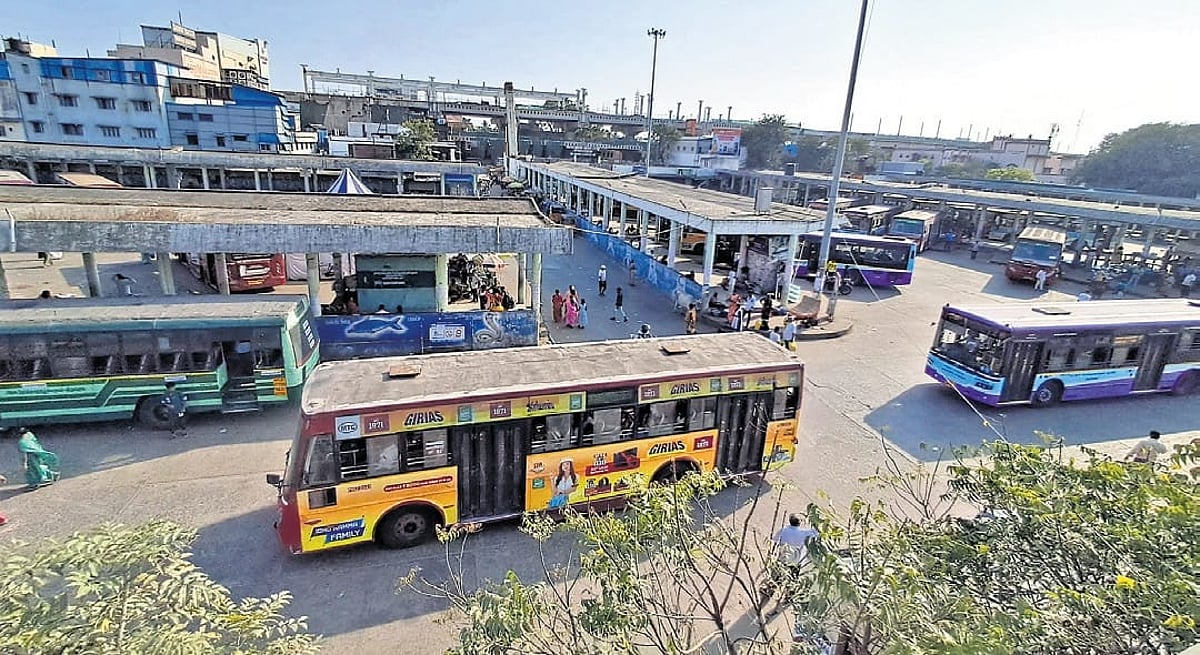
A major transport infrastructure project is set to take shape on the outskirts of Chennai, with plans for a large-scale bus terminal at Kuthambakkam aimed at improving regional connectivity and easing congestion within the urban core. The proposed facility is expected to function as a key node in the city’s expanding public transport network, reflecting a shift towards decentralised mobility planning.
The new hub is being positioned to handle a significant share of outbound and inbound bus traffic, particularly long-distance and intercity services. By diverting these operations away from already congested inner-city terminals, authorities aim to streamline traffic flow and reduce pressure on central roads. Urban mobility experts note that such infrastructure can play a critical role in redistributing transport demand across metropolitan regions.From a planning perspective, the project aligns with broader efforts to create multi-nodal transport systems. The Chennai bus terminal Kuthambakkam initiative is expected to integrate with existing road networks and potentially future transit corridors, enabling smoother passenger movement across different modes of transport. However, its success will depend on seamless last-mile connectivity, including feeder buses, para-transit options, and pedestrian infrastructure.The development also carries economic implications for the surrounding areas. Large transport hubs often act as catalysts for commercial activity, attracting retail, hospitality, and logistics services. This can stimulate local employment and contribute to the growth of peripheral zones, supporting more balanced urban expansion.
Environmental considerations remain central to the discussion. While improved public transport infrastructure can reduce reliance on private vehicles and lower emissions, the construction and operation of large terminals must incorporate sustainable practices.Experts emphasise the need for energy-efficient design, effective waste management, and green building standards to minimise environmental impact.Social inclusion is another key factor. Ensuring that the Chennai bus terminal Kuthambakkam is accessible, safe, and user-friendly for all segments of the population—including women, the elderly, and persons with disabilities—will be essential.Well-designed public spaces, clear signage, and adequate amenities can significantly enhance the commuter experience.There are also challenges to address. Land acquisition, traffic management during construction, and integration with existing urban systems require careful planning and coordination among multiple agencies.Without this, the benefits of the project could be undermined by operational inefficiencies.For Chennai, the initiative represents an opportunity to strengthen its public transport backbone while supporting sustainable urban growth.
As the city continues to expand, decentralised infrastructure such as the Kuthambakkam terminal could help reduce congestion, improve accessibility, and promote more equitable mobility patterns.The long-term impact will depend on how effectively the project is executed and integrated into the broader transport ecosystem. If aligned with inclusive and sustainable planning principles, the Chennai bus terminal Kuthambakkam could become a cornerstone of the city’s evolving mobility landscape.
Also Read:Chennai Sembakkam Lake Revival Demand Gains Momentum

