


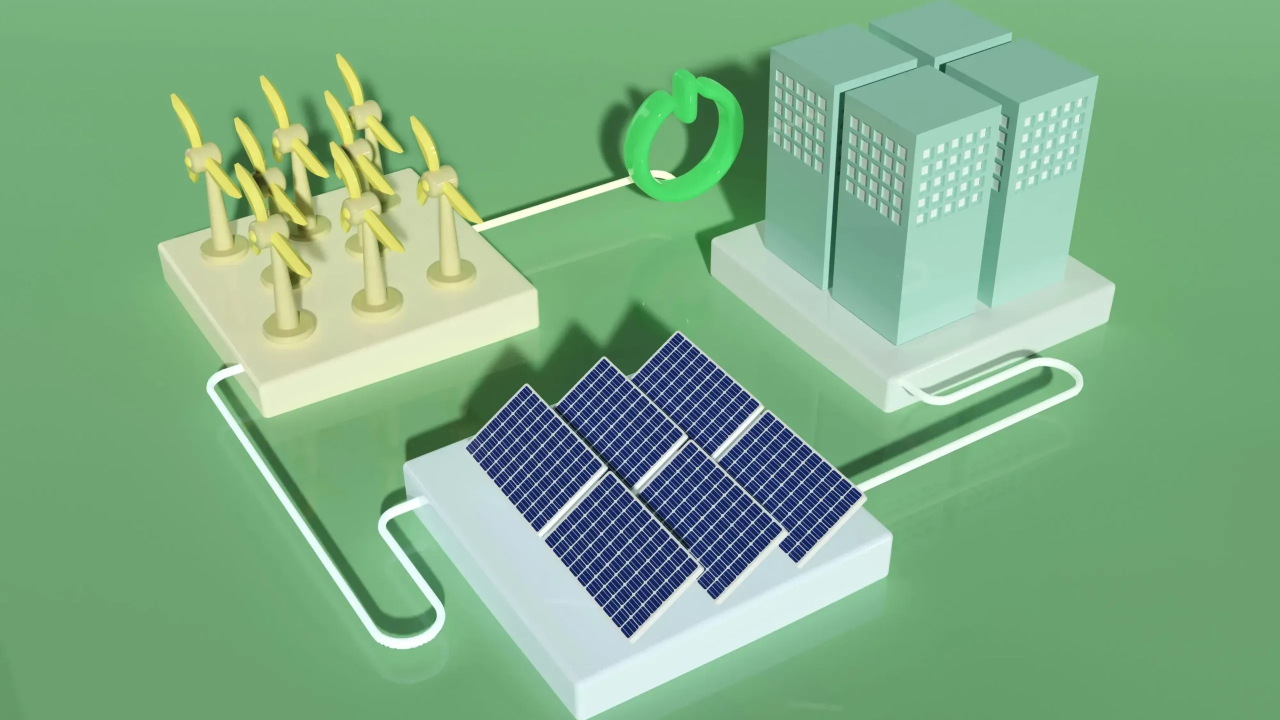
A large commercial complex in Chennai has adopted a managed energy solution model, marking a shift in how urban workspaces approach power consumption and sustainability. The deployment at Intellion Park reflects a growing trend where businesses outsource energy infrastructure and management to specialised providers to improve efficiency and reduce operational risks.
The initiative centres around a subscription-based energy framework, often referred to as Chennai CaaS energy solution, where users pay for energy services rather than investing in their own infrastructure. This model allows commercial tenants to access reliable power, integrate renewable energy sources, and optimise consumption without bearing upfront capital costs.Urban infrastructure experts note that such models are gaining traction in cities with high commercial density. As demand for uninterrupted and cost-efficient power grows, especially in technology parks and office campuses, managed energy services offer a way to balance operational needs with sustainability targets. The Chennai CaaS energy solution approach also enables better monitoring and optimisation through data-driven systems, improving overall energy performance.From a sustainability perspective, the shift is significant.Commercial buildings are among the largest consumers of electricity in urban areas, contributing substantially to carbon emissions. By adopting centralised and optimised energy systems, facilities can reduce wastage, integrate solar or other renewable sources, and lower their environmental footprint.
Experts argue that such transitions are essential for cities aiming to meet climate goals while supporting economic growth.The economic implications extend beyond cost savings. By converting capital expenditure into operational expenditure, businesses can allocate resources more efficiently, focusing on core activities rather than infrastructure management. This is particularly relevant for startups and mid-sized firms operating in shared office environments, where flexibility and scalability are key.However, analysts caution that the success of the Chennai CaaS energy solution model will depend on regulatory clarity and long-term contractual frameworks.Transparent pricing, service reliability, and accountability mechanisms will be critical to building trust among users. Additionally, integrating such systems with broader urban energy grids requires coordination with local authorities and utilities.There are also considerations around resilience. Centralised energy systems must be designed to withstand disruptions, whether from technical failures or external factors such as extreme weather.Incorporating backup systems, decentralised generation, and smart grid technologies can enhance reliability and ensure continuity of operations.For Chennai, the adoption of managed energy services in commercial hubs signals a broader evolution in urban infrastructure.
As cities grapple with rising energy demand and climate pressures, innovative models like the Chennai CaaS energy solution could play a pivotal role in shaping more efficient and sustainable built environments.The development points towards a future where energy is not just consumed but actively managed as a service—aligning economic efficiency with environmental responsibility in rapidly growing urban centres.
Also Read:Chennai Bus Terminal Kuthambakkam To Enhance City Connectivity
