


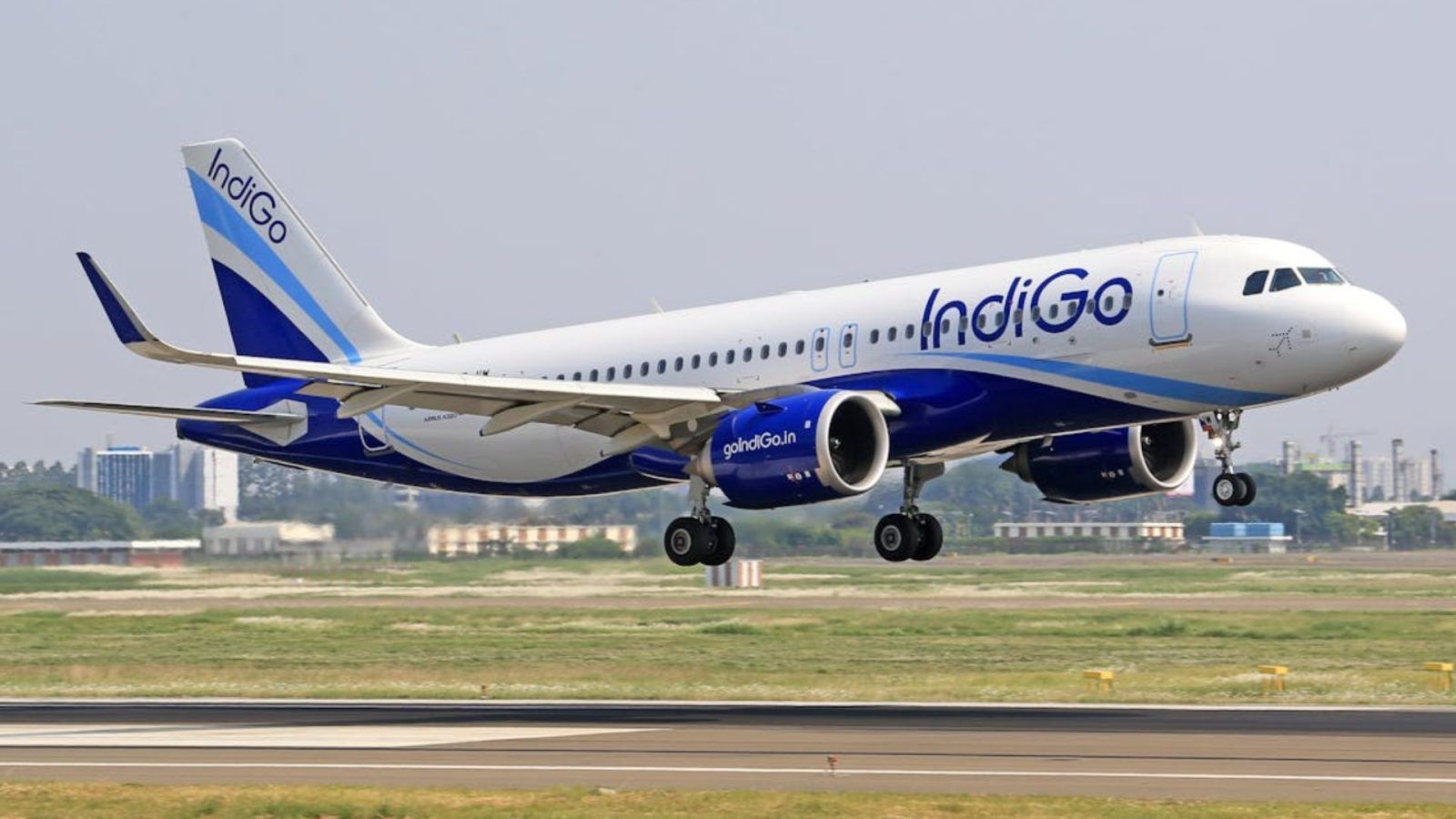
A new international air corridor has been added to Chennai, with direct flight services now linking the city to Réunion Island. The move marks a notable expansion in regional connectivity across the Indian Ocean, reflecting changing travel patterns and growing demand for non-stop international routes from southern India.
The launch of the route, operated by IndiGo, is expected to reduce travel time and improve accessibility between the two regions, which were previously connected through multi-leg journeys. Aviation analysts suggest that such direct links are increasingly shaping airline strategies, particularly as secondary cities emerge as international gateways.From an economic perspective, the new connection could open up opportunities in tourism, trade, and cultural exchange. Reunion Island, known for its unique geography and biodiversity, may attract Indian travellers seeking alternative destinations, while also enabling inbound tourism into Chennai and surrounding regions. The development aligns with broader trends where improved air connectivity contributes to local economic growth and job creation in sectors such as hospitality and logistics.The introduction of the route also reinforces Chennai’s position as a key aviation hub in southern India.
While cities like Mumbai and Delhi have traditionally dominated international traffic, Chennai is gradually expanding its global footprint. Enhanced connectivity is particularly significant for a city with strong industrial, educational, and healthcare linkages that drive international travel demand.However, the expansion of air travel brings with it environmental considerations. Aviation remains a carbon-intensive mode of transport, and increased flight frequencies can contribute to higher emissions. Sustainability experts emphasise the need for airlines and airports to adopt measures such as fuel-efficient aircraft, carbon offset programmes, and integration with low-emission ground transport systems to mitigate environmental impact.Urban mobility planners also point out that improved international connectivity must be matched by efficient access to airports.Strengthening public transport links, including metro and bus networks, will be essential to ensure that the benefits of new routes are not offset by congestion and last-mile challenges within the city.For passengers, the direct service offers greater convenience and flexibility, particularly for business travellers and the diaspora.
It also reflects a broader shift in how cities are positioning themselves in an interconnected global economy, where accessibility plays a critical role in competitiveness.As Chennai continues to expand its aviation network, the focus will likely remain on balancing growth with sustainability. The success of new routes will depend not only on passenger demand but also on how effectively they integrate with urban infrastructure and environmental goals, shaping the future of international connectivity in the region.
Also Read:Chennai Diagnostics Lab Growth Reflects Rising Healthcare Demand
