Surat Gujarat Day events spotlight urban cultural identity
Surat is hosting Gujarat’s state-level foundation day celebrations this year, turning the city into a stage for both cultural expression and urban positioning. Marked annually on May 1, the occasion commemorates the formation of Gujarat in 1960, but the scale and structure of this year’s events point to a broader objective—using public celebrations to reinforce the city’s evolving role in the state’s economic and urban landscape.
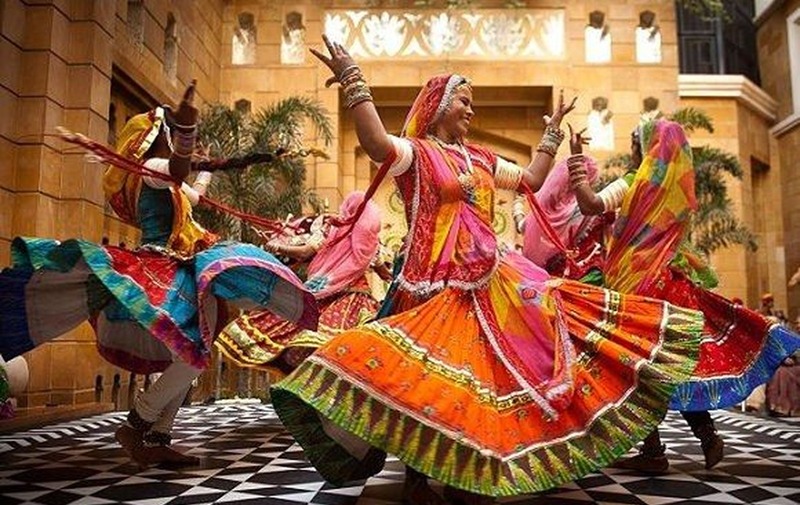
The programme is anchored around a ceremonial parade and public gathering, beginning with a large-scale police march through key city corridors and culminating in a formal event at a major stadium. The line-up includes structured civic displays, cultural performances, and public participation elements designed to draw residents into a shared urban narrative. Later in the evening, the focus shifts to the city’s waterfront, where a curated cultural showcase involving more than 250 performers is set to interpret Gujarat’s journey from heritage to modern development. Light and sound installations, along with music and dance, are being used to frame Surat not just as a cultural centre but as a symbol of rapid urban transformation within the state. Urban planners note that such state-led celebrations are increasingly being used to shape city identity and attract investment. Surat, already known for its textile and diamond industries, has in recent years positioned itself as a key node in Gujarat’s broader economic strategy. Hosting Gujarat Foundation Day at scale reinforces this positioning, linking civic pride with economic branding.The event also includes the release of publications documenting the city’s development trajectory and recognition of local achievers, signalling an attempt to embed narratives of growth within public memory.
Government and heritage buildings across Surat have been illuminated, further contributing to a city-wide visual transformation that aligns with the celebratory messaging. However, the spectacle also raises questions about inclusivity and long-term urban priorities. While large-scale cultural programming can strengthen civic identity, experts argue that such efforts must be balanced with investments in everyday urban infrastructure—such as housing, mobility, and climate resilience—that directly impact citizens’ quality of life.Surat’s rapid expansion, driven by industrial growth and migration, has placed increasing pressure on infrastructure systems. Integrating cultural events with sustainable urban planning—such as improving public spaces, ensuring accessibility, and minimising environmental impact—remains a key challenge for cities seeking to balance celebration with resilience.The timing of the celebrations is also significant. As Gujarat continues to promote regional economic development through initiatives like industrial corridors and investment summits, cities like Surat are being positioned as engines of growth. Public events tied to state milestones are becoming platforms to reinforce these ambitions, blending governance, culture, and economic messaging.
For residents, the celebrations offer a moment of collective participation and visibility. For policymakers, they serve as an opportunity to project a vision of urban progress. The longer-term test, however, lies in whether such narratives translate into more inclusive, climate-responsive, and citizen-focused urban development beyond the stage and spectacle.