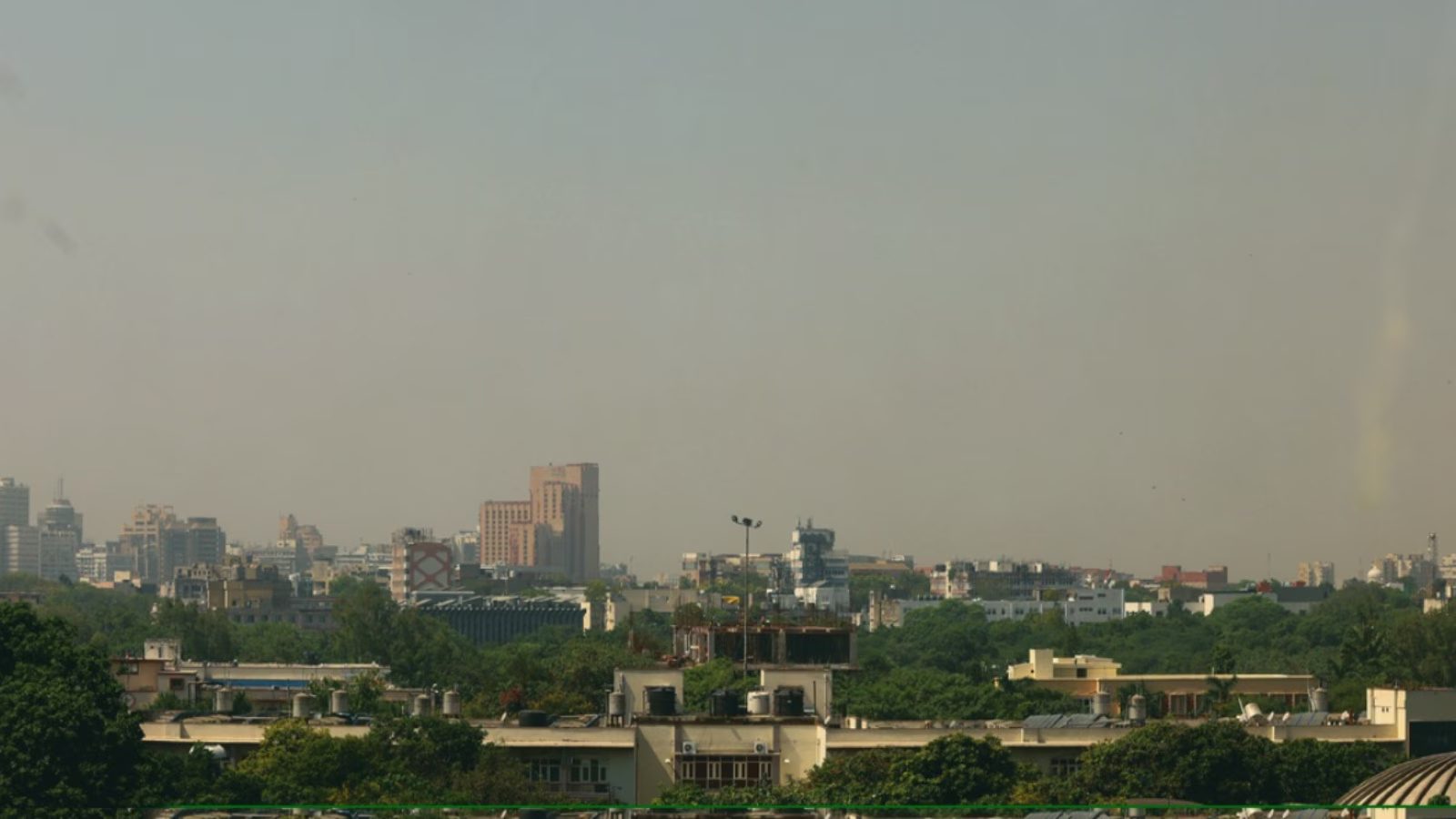
Ahmedabad temperature dip offers brief urban heat relief
A marginal dip in temperatures across Ahmedabad has offered short-lived relief from an intense heatwave, but the underlying stress on urban systems remains unchanged. Over three days, the city’s maximum temperature dropped by about 2.5°C—from a peak nearing 45°C to around 41.7°C—providing temporary comfort to residents after a prolonged spell of extreme heat.
While the decline has slightly eased daytime discomfort, meteorological forecasts suggest the respite may not last. Temperatures are expected to remain above 40°C in the coming days, indicating that Ahmedabad continues to operate under sustained heat stress conditions. This pattern reflects a broader climatic trend where short fluctuations offer relief without fundamentally altering seasonal extremes.The recent cooling follows one of the hottest periods of the summer, with temperatures earlier touching 44.8°C—well above seasonal norms and among the highest recorded in April in recent years. Such spikes have already had visible impacts on daily life, from reduced outdoor activity to increased reports of heat-related health distress across the city. For urban planners, the Ahmedabad temperature dip is less a sign of recovery and more an illustration of volatility. Cities are increasingly experiencing sharp swings between extreme heat and marginal cooling, complicating planning for energy demand, water supply, and public health systems. Even during the recent dip, night-time temperatures remained elevated, limiting the body’s ability to recover from daytime exposure—a key risk factor in prolonged heatwaves.
The implications extend into infrastructure and housing. In dense urban neighbourhoods, high thermal retention in concrete structures means that slight reductions in ambient temperature do not immediately translate into indoor comfort. This disproportionately affects low-income households with limited access to cooling systems, reinforcing inequities in how heat impacts different sections of the population.Energy systems are also under strain. Extreme heat has driven up electricity demand for cooling, and even a modest drop in temperature only marginally reduces this pressure. As cities like Ahmedabad expand, ensuring reliable and sustainable energy supply during peak summer months is becoming a critical challenge.Experts argue that such weather patterns highlight the urgency of integrating climate-responsive design into urban development. Measures such as reflective building materials, shaded public spaces, and expanded green cover can help reduce heat absorption and improve microclimates. Without these interventions, cities risk becoming increasingly vulnerable to what are now recurring extreme heat cycles.
The Ahmedabad temperature dip may have brought momentary relief, but it also underscores a larger reality: urban India is entering an era where heat resilience must be embedded into infrastructure planning. As temperatures are expected to rise again, the focus is likely to shift from temporary weather fluctuations to long-term adaptation strategies that prioritise public health, energy efficiency, and equitable access to cooling.