


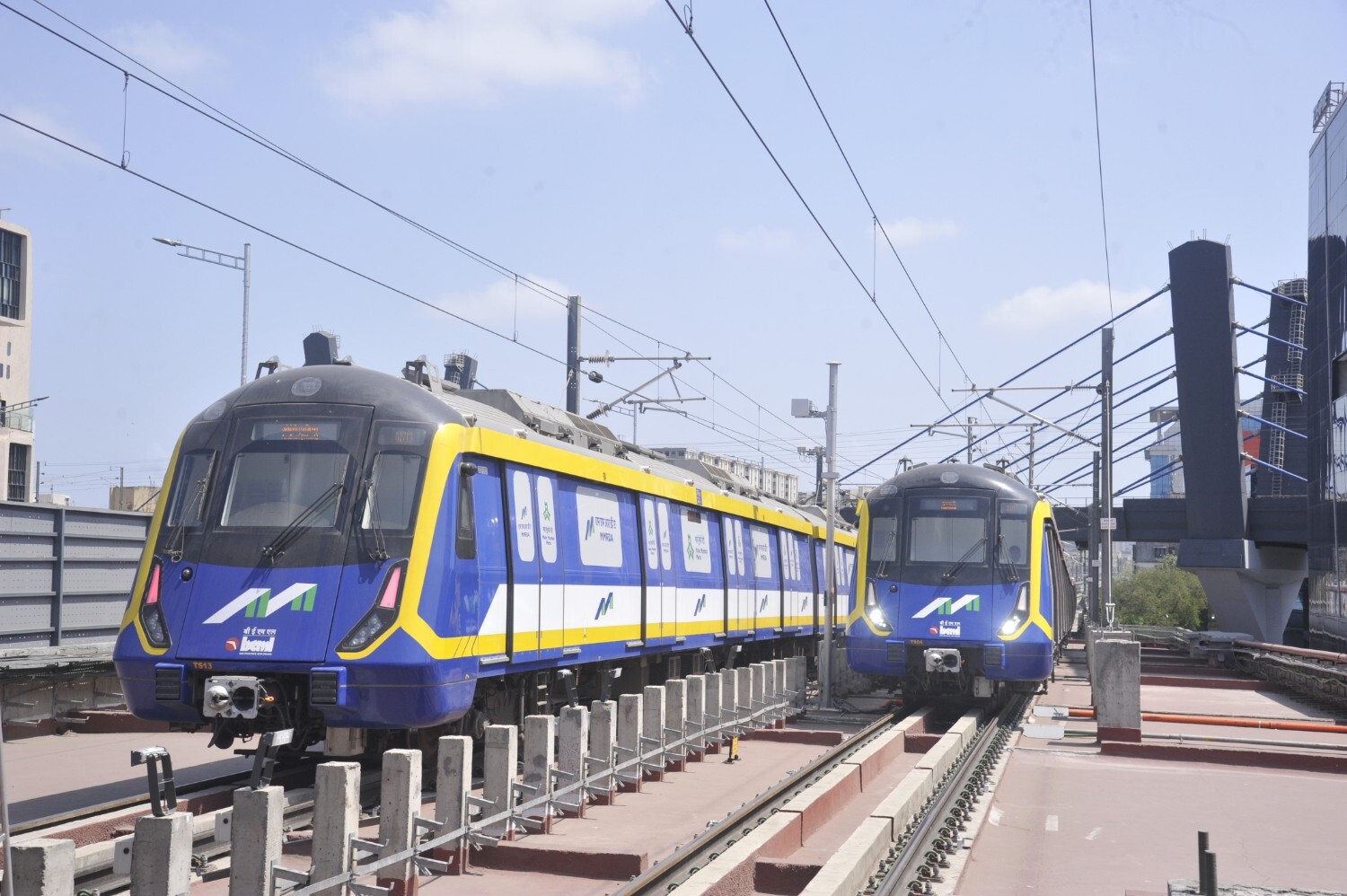
A planned Hyderabad Metro stake sale is set to reshape the ownership structure of one of India’s largest urban transit systems, highlighting evolving dynamics in public-private partnerships (PPPs) in city infrastructure. The move, involving partial divestment by the current project developer, reflects broader financial and operational challenges associated with large-scale metro projects.
Industry sources indicate that the decision is linked to the need for capital restructuring and risk rebalancing within the project framework. Metro systems, while critical to urban mobility, often face revenue pressures due to high capital costs and dependence on farebox income. This has prompted developers to reassess long-term investment strategies, particularly in projects with extended payback periods. For Hyderabad, the Hyderabad Metro stake sale carries implications beyond ownership. The metro network is a key component of the city’s transport ecosystem, supporting daily commutes, reducing congestion, and contributing to lower emissions. Any shift in its financial or operational structure could influence service quality, expansion timelines, and integration with other modes of transport. Urban planners note that the development underscores structural challenges in PPP-led infrastructure models. While such frameworks have enabled rapid project rollout, they often rely on optimistic projections of ridership and ancillary revenues. When these projections fall short, financial stress can emerge, leading to re-negotiations, restructuring, or divestment.
The Hyderabad Metro stake sale also raises questions about the future of private participation in urban transit. Experts suggest that a hybrid approach combining public oversight with private efficiency may be necessary to ensure both financial sustainability and service reliability. Clear regulatory frameworks and risk-sharing mechanisms will be critical in attracting and retaining private investment. From a sustainability perspective, maintaining the metro’s operational efficiency is vital. Public transport systems like Hyderabad’s metro play a significant role in reducing carbon emissions and improving urban air quality. Ensuring their continuity and expansion aligns with broader climate goals and supports the transition towards low-carbon cities. The economic impact of the stake sale could extend to real estate and urban development. Metro corridors often drive property demand and influence land use patterns. Any uncertainty around the system’s future could affect investor sentiment in transit-oriented developments, which rely on stable and predictable infrastructure. For commuters, the immediate concern will be service continuity and affordability. Analysts emphasize that governance arrangements following the Hyderabad Metro stake sale must prioritize passenger experience, ensuring that fare structures, safety standards, and service frequency remain consistent.
As Indian cities continue to expand, the Hyderabad case reflects a broader need to rethink how critical infrastructure is financed and managed. The outcome of this divestment process may offer insights into building more resilient, transparent, and citizen-focused urban transport systems in the years ahead
Also Read :Hyderabad Metro Takeover Impacts Urban Transport Planning
