Nagpur station cab services reshape last mile mobility
A new phase in urban mobility has begun at Nagpur’s central railway hub, where app-based operator BharatCabs has been cleared to run services directly from within the station premises. The rollout, starting Friday, introduces a formalised pick-up and drop-off system aimed at easing last-mile travel for thousands of daily passengers and reducing long-standing access challenges at one of central India’s busiest transit points.
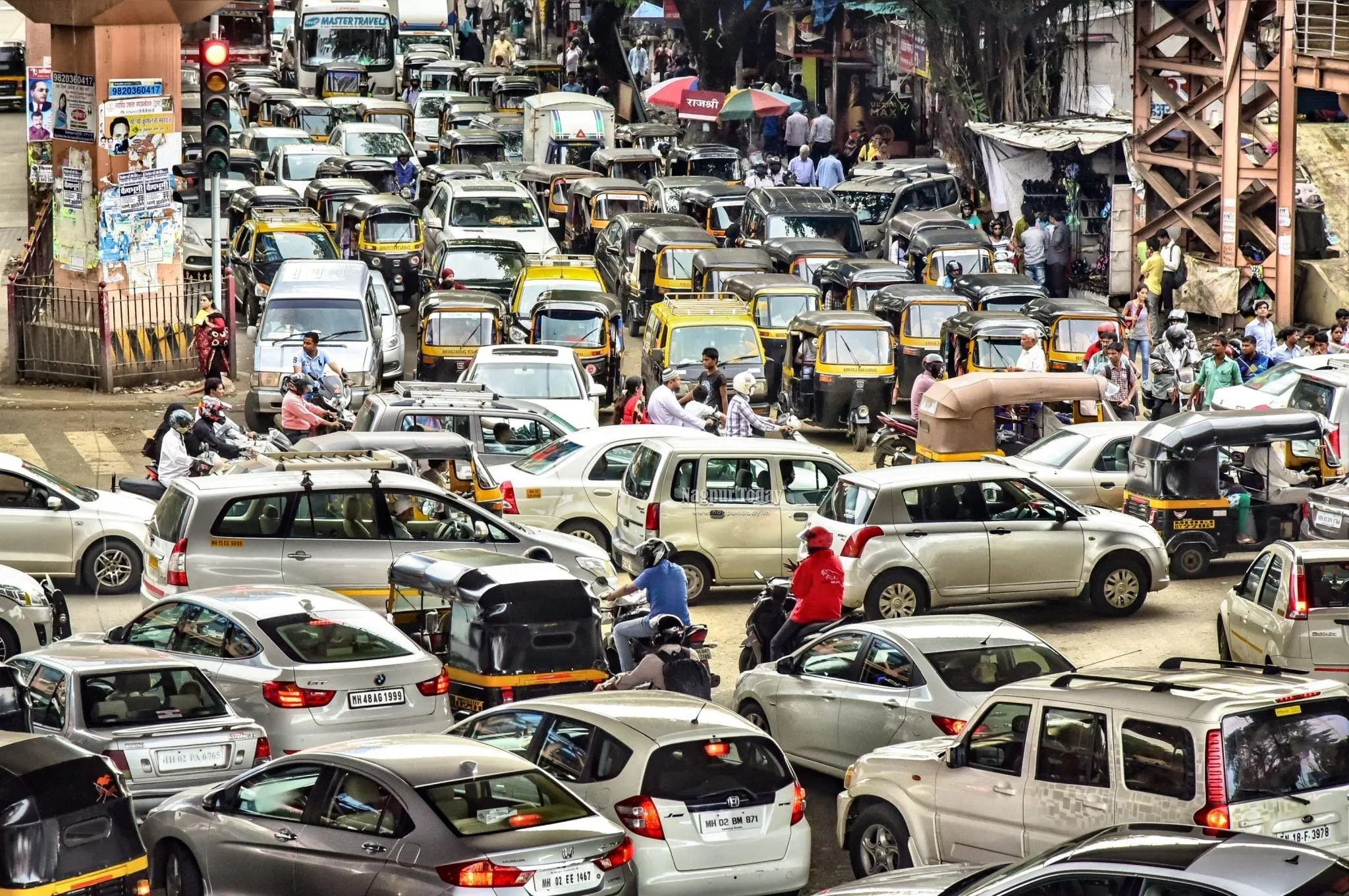
The initiative marks a structural shift in how passengers move between rail and city transport. With nearly 150,000 people using the station daily, seamless connectivity beyond platforms has remained a persistent urban gap. For years, commuters—particularly elderly travellers, families, and those with luggage—were forced to walk outside the station to find transport, often navigating heat, congestion, and informal fare systems. Under the new arrangement, around 60 vehicles operated by BharatCabs will serve a designated zone near the station’s west gate, bringing regulated, app-based mobility into a previously fragmented ecosystem. The move follows regulatory clarity on aggregator licensing and approvals from transport authorities, which had delayed implementation despite earlier infrastructure readiness. Urban planners view this as more than a service addition—it signals an attempt to rebalance public space around transit hubs. Informal transport networks had long dominated access points, often leading to fare disputes, congestion, and limited safety oversight. Recent enforcement actions and infrastructure changes have gradually opened space for regulated operators, aligning with broader station redevelopment goals.
The timing is significant. Nagpur railway station is undergoing phased modernisation, including concourse upgrades and improved passenger amenities. Integrating organised last-mile services into this redevelopment reflects a wider shift in Indian cities toward multimodal transport planning—where rail, road, and shared mobility operate in coordination rather than isolation.From a sustainability perspective, structured cab access within station premises can reduce unnecessary vehicle circulation and pedestrian strain, particularly in extreme weather conditions common in the region. It also has implications for gender-sensitive mobility, offering safer and more predictable transport options for women and vulnerable commuters during early morning or late-night arrivals.However, the transition is unlikely to be frictionless. Industry observers note that integrating new mobility systems into legacy transport ecosystems often triggers resistance from existing operators. The long-term success of BharatCabs’ deployment will depend on enforcement consistency, user adoption, and whether pricing remains transparent and accessible.
As Indian cities grapple with growing passenger volumes and climate pressures, the Nagpur experiment underscores a critical question: can transport nodes evolve into inclusive, low-friction urban gateways? The coming months will determine whether this intervention becomes a replicable model for other railway stations or remains a partial fix in a complex mobility landscape.