


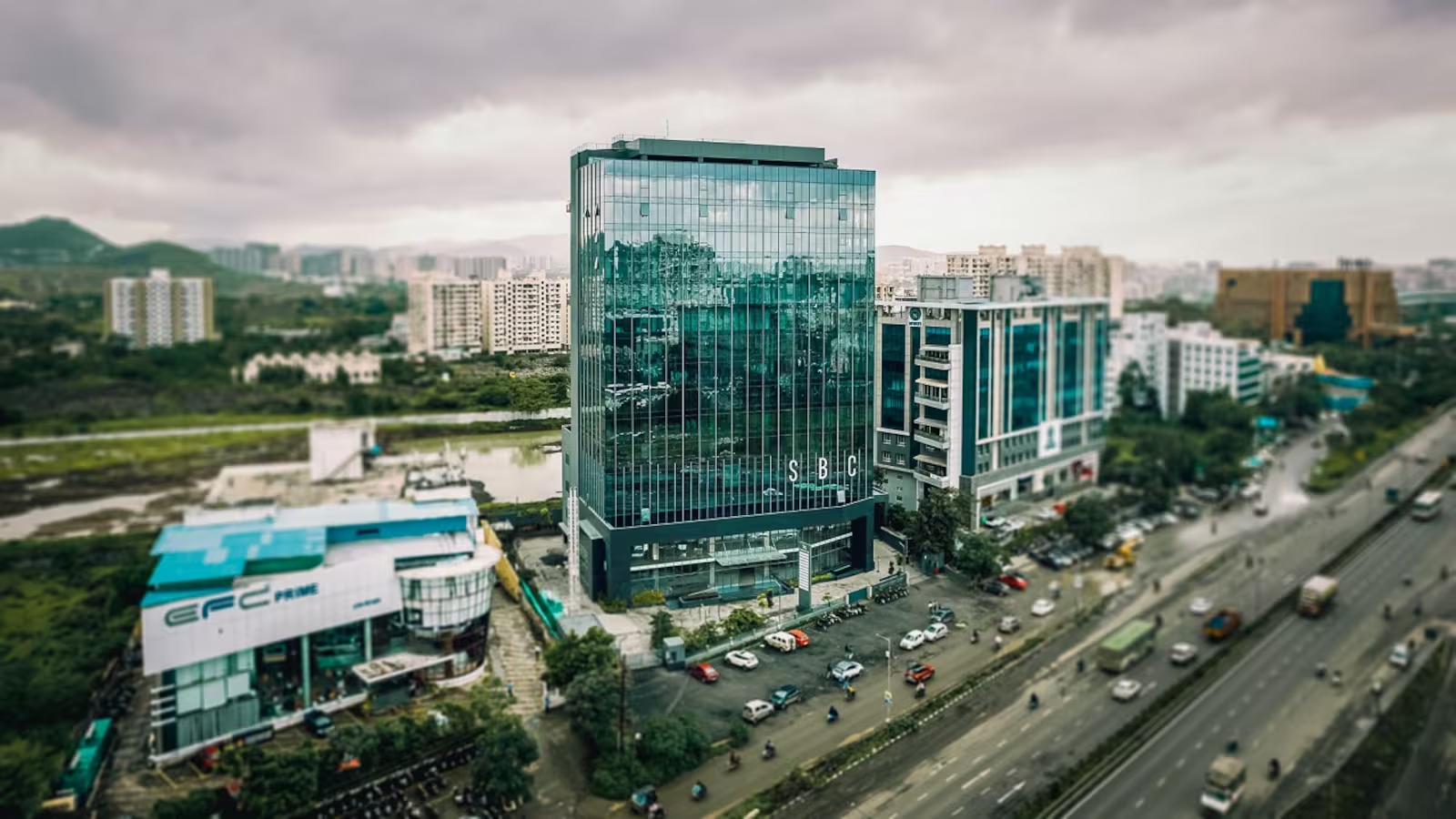
A major Pune office deal linked to the expansion of a global capability centre (GCC) is reinforcing the city’s position as a key destination for corporate back-end and innovation hubs. The transaction, involving a large commercial office space in Pune, reflects sustained demand for high-quality workspaces as multinational firms scale their India operations. The significance of the Pune office deal cannot be overstated.
Industry observers note that GCCs — offshore units that handle critical business functions such as technology, analytics, and operations — are increasingly driving office leasing in Indian cities. Pune, with its established IT ecosystem, skilled workforce, and relatively lower operational costs compared to larger metros, has emerged as a preferred location for such investments. The latest Pune office deal underscores this ongoing shift. From an urban development perspective, the growth of GCCs has a direct impact on city infrastructure and planning. Large office campuses generate demand for transport connectivity, housing, and social infrastructure. Urban planners highlight that without coordinated planning, such growth can strain existing systems, leading to congestion, rising rents, and uneven development patterns. The economic implications are significant. GCC expansions contribute to job creation across multiple skill levels, supporting local economies and boosting demand in sectors such as retail, hospitality, and residential real estate. However, experts caution that this growth must be inclusive, ensuring that benefits extend beyond high-skilled employment to broader segments of the urban population.
The Pune office deal also reflects evolving workplace strategies. Companies are increasingly seeking flexible, sustainable, and well-connected office spaces that align with hybrid work models. Green-certified buildings, energy-efficient systems, and proximity to public transport are becoming key considerations in leasing decisions. This shift is gradually influencing how commercial real estate is designed and developed. Sustainability remains a critical factor in the expansion of office infrastructure. As cities like Pune continue to grow, the environmental footprint of large office developments cannot be overlooked. Experts emphasise the need for integrating renewable energy, efficient water management, and reduced carbon emissions into commercial projects. Such measures not only align with global corporate commitments but also contribute to building climate-resilient urban environments. Real estate analysts point out that continued demand for office space could push up rental values in prime locations, potentially impacting affordability for smaller businesses. This trend highlights the importance of diversifying commercial supply and promoting decentralised business districts to distribute growth more evenly across the city. For Pune, the rise of GCCs presents both an opportunity and a challenge, especially in light of the latest Pune office deal.
While the influx of global firms strengthens its economic base, it also requires careful urban management to ensure that infrastructure keeps pace with demand. The latest office deal is a clear indicator of market confidence, but its long-term impact will depend on how effectively the city balances growth with sustainability, accessibility, and quality of life.
Also Read: Chennai Introduces QR System For Property Tax Payments
