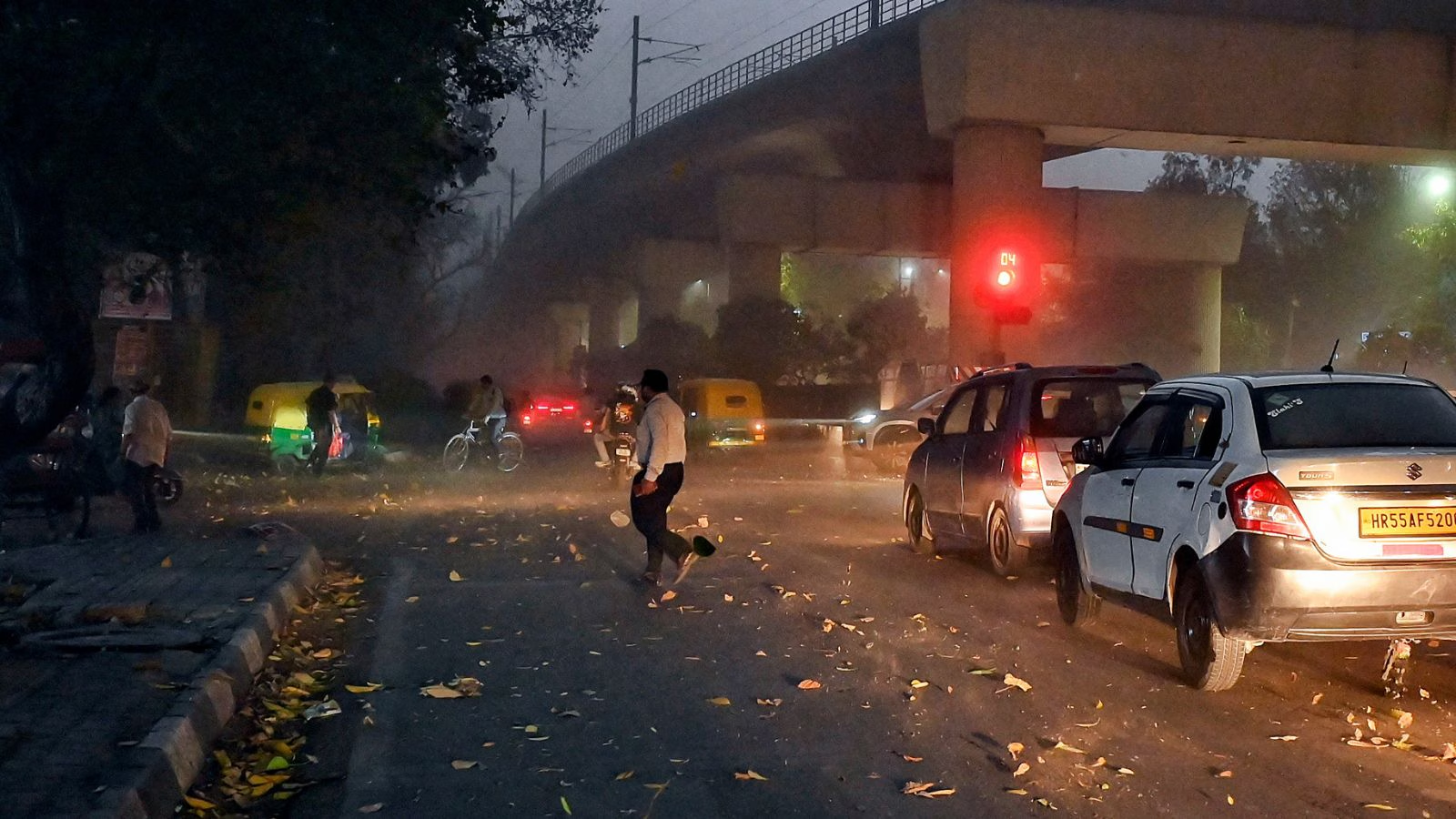
A sudden burst of rain, hail, and high winds swept across parts of Delhi-NCR on Thursday, abruptly lowering temperatures and offering short-lived relief from prolonged heat. The rapid shift, driven by localised storm activity, underscores the growing unpredictability of urban weather patterns and raises questions about how cities are preparing for climate variability.
Across several neighbourhoods in east Delhi and adjoining NCR cities such as Noida and Ghaziabad, intense precipitation and isolated hail events led to a steep fall in daytime temperatures. Monitoring stations across the region recorded double-digit drops within hours, with some peripheral zones witnessing sharper declines than the city’s core. While central observatories saw limited rainfall, other pockets reported measurable showers, highlighting the uneven spatial distribution of urban precipitation a recurring challenge for city planners. Meteorological assessments indicate that wind speeds surged significantly during the storm, accompanied by dust movement across large parts of the capital. Such hybrid events combining dust storms, rainfall, and hail are becoming more frequent during transitional seasons. Urban planners note that these fluctuations complicate infrastructure planning, particularly for drainage, road resilience, and public transport systems, which must adapt to both extreme heat and sudden downpours within short intervals.
From a citizen perspective, the cooling effect brought immediate comfort, especially following days of temperatures nearing 40°C. However, experts caution that these temporary reprieves do little to offset the broader warming trend. Data from early April shows that intermittent rain events initially kept temperatures below seasonal averages, but a steady rise later pushed the mercury past critical thresholds, signalling the onset of heatwave conditions earlier than expected. Environmental analysts argue that such weather volatility reflects deeper shifts linked to climate change and urbanisation. Expanding built-up areas, reduced green cover, and heat-retaining surfaces amplify both heat stress and the intensity of short-duration storms. The resulting microclimate variations mean that neighbouring districts can experience vastly different weather conditions at the same time, complicating city-wide responses.
Looking ahead, forecasts suggest a return to rising temperatures over the next few days, with the possibility of another spell of light rain early next week due to a western disturbance. Air quality levels, which remained in the moderate range during the event, are expected to stay stable in the near term, aided by temporary atmospheric cleansing from rainfall. For policymakers, the episode highlights the urgency of integrating climate resilience into urban development. Strengthening early warning systems, expanding green infrastructure, and improving water management networks are increasingly seen as essential steps to mitigate the dual risks of extreme heat and erratic rainfall. As Delhi-NCR continues to grow, balancing development with environmental stability will remain central to ensuring long-term urban liveability.