Pune Hinjewadi Infrastructure Strain Fuels September Protest
Pune’s Hinjewadi-Maan-Marunji corridor is set for a civic protest on September 6, as residents, IT employees, farmers and housing groups press the administration over deteriorating roads, traffic bottlenecks and unreliable water supply. The mobilisation comes as the region continues to expand as a major employment and residential zone, exposing the widening gap between economic growth and the infrastructure needed to support it.
The Hinjewadi infrastructure dispute is broader than a demand for road repairs. Local groups have submitted a nine-point charter seeking deadlines for road widening, transport improvements, water security and stronger local administration. They are also asking for written decisions and periodic reviews so that responsibilities do not remain divided across multiple government agencies. Road capacity is one of the immediate pressure points. Residents have identified congestion around Wakad flyover, Bhumkar Chowk, Tathawade and the Punawale underpass. Their proposed solution includes a dedicated traffic plan within 30 days, followed by implementation within six to nine months. They are also seeking greater traffic-police deployment and technology-based monitoring at major junctions.
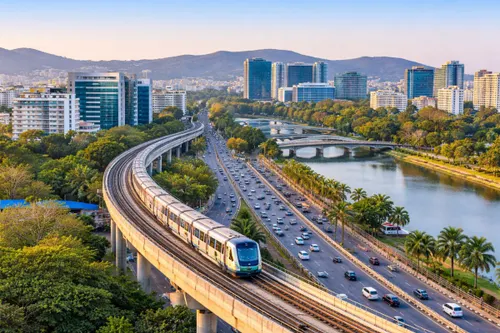
The transport demand comes as Pune’s long-delayed Metro Line 3 moves towards operations. The 23.2-km elevated corridor linking Maan-Hinjewadi with Shivajinagar has 23 stations and was conceived specifically to address congestion around the IT hub. PMRDA’s latest project information puts physical progress at 94.58%, while a 12-station Maan-Balewadi section received provisional safety authorisation in July. That progress, however, does not eliminate the need for better connections around stations. Urban transport planners increasingly stress that metro capacity delivers its full value only when commuters can reach stations safely and conveniently by walking, cycling, buses, shared mobility or other last-mile services. The protesters’ demand for clarity on last-mile connectivity therefore points to a larger planning issue rather than simply a metro launch date. Water is another critical constraint. Residents have sought a permanent allocation of at least two TMC of drinking water from the Mulshi system and a pause on approvals for additional construction until supply concerns are addressed. Such demands highlight the infrastructure risks created when residential and commercial expansion runs ahead of utility planning.
The groups are also seeking a separate civic body for Hinjewadi, Maan and Marunji, arguing that a rapidly urbanising employment corridor requires more direct administrative capacity. A monthly review mechanism and fixed implementation timelines form part of that demand. For Pune, the dispute offers a broader urban lesson. Hinjewadi infrastructure cannot be treated as a standalone road, metro or water project. Coordinated land use, mobility, utilities and civic governance will determine whether the corridor can absorb further investment while remaining liveable for workers and residents. The September protest will now test whether the administration responds with measurable commitments rather than another cycle of fragmented interventions.