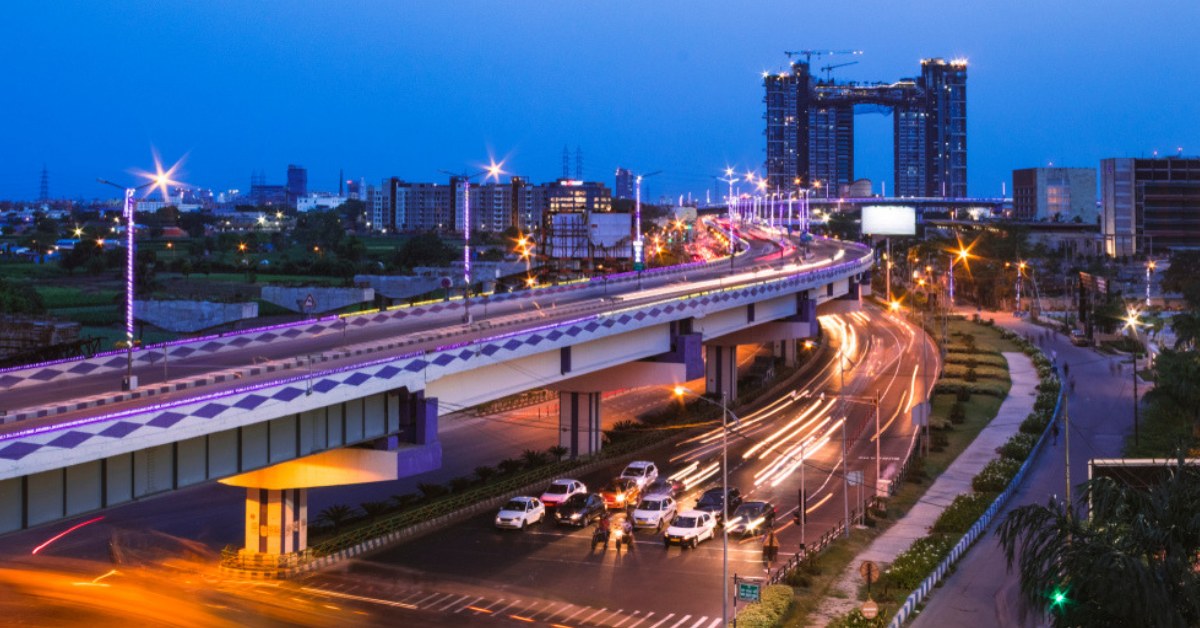
Kolkata Infrastructure Enters A Crucial Civic Phase
Kolkata’s infrastructure agenda is entering a more demanding phase as West Bengal’s new administration places urban development, investment and economic revival among its priorities. The challenge for the city is no longer simply adding roads, buildings or transport links, but ensuring that new infrastructure improves everyday mobility, water security, public spaces and resilience without increasing pressure on an already dense urban system.
The issue gained renewed attention at a state-level governance conclave marking the government’s first 100 days, where urban administration and infrastructure were among the areas discussed. The wider policy focus is significant for Kolkata, where population density, ageing civic networks and expanding metropolitan activity are placing growing demands on basic services.Transport remains one of the biggest pressure points. Kolkata’s metro expansion is opening new connections across the metropolitan region, but major construction can also create risks for existing utilities. Work on the proposed 12.5-km Pink Line, for example, has raised concerns over a major water main supplying parts of north and central Kolkata. The episode highlights a basic planning lesson: transport infrastructure cannot be designed separately from water, drainage and other underground networks.
Water resilience is becoming equally important. Current tenders from the Kolkata Metropolitan Development Authority include works aimed at improving water flow and replacing defective transmission infrastructure around Kalyani, while other urban works focus on pumping systems and civic assets. Such projects may appear routine, but reliable water distribution is central to public health, housing quality and the functioning of commercial districts.The city’s development model also faces a broader economic test. The state government has recently held discussions with the real estate sector on infrastructure, investment and the future of housing. At the same time, industry bodies are pushing for faster digital building approvals, including the possible use of artificial intelligence to reduce delays in plan scrutiny. Faster approvals could support construction activity, but urban planners caution that speed must not replace safety, environmental review or infrastructure capacity.
Kolkata’s next infrastructure cycle therefore needs coordination rather than isolated projects. Rail, metro, roads, housing, drainage, water and public spaces must expand together, particularly as climate risks intensify. The measure of progress will ultimately be whether infrastructure makes daily life safer, more affordable and more accessible not simply how much construction is completed.