Kolkata Land Reform Push Tests Bengal Growth Plans
West Bengal is moving towards a new industrial policy with land availability, investment incentives and infrastructure emerging as key areas of reform. At a stakeholder consultation in Kolkata, industry chambers pressed for better use of idle public-sector land, more predictable incentives and integrated industrial hubs. The choices made now could influence not only investment flows but also how efficiently the state expands jobs, infrastructure and urban economies.
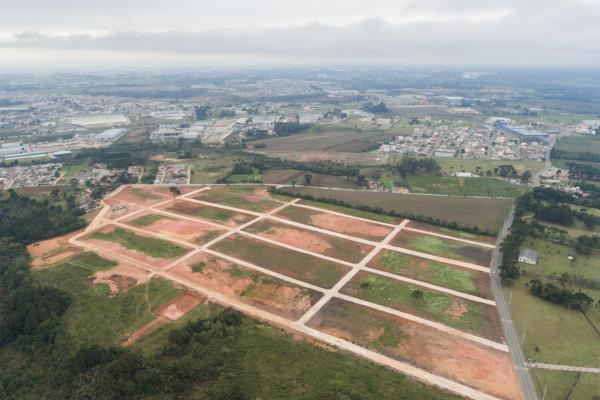
The consultation comes days before the state is expected to unveil its new industrial policy, with August 15 previously indicated as the target for its release. The proposed framework has been shaped around three persistent constraints: access to industrial land, incentives for new investment and the reuse of land associated with closed industrial units.One significant proposal is to bring unused land held by public-sector enterprises back into productive use. That could reduce the pressure to open new greenfield sites, provided land is assessed for contamination, environmental risks, infrastructure capacity and compatibility with surrounding settlements. For cities and industrial districts, redevelopment of existing sites can also limit outward expansion and the associated demand for new roads, utilities and transport networks.Industry representatives have also sought changes to the incentive structure. Proposals include linking state GST reimbursements to additional sales, extending support to emerging manufacturing segments and rationalising stamp duty on financial and commercial transactions. Such measures could alter the cost calculations for companies considering West Bengal against competing industrial destinations.
A second strand of the discussion concerns the physical structure of industrial development. Instead of depending primarily on conventional industrial estates, chambers have proposed integrated hubs tailored to sectors such as defence manufacturing, engineering, food processing, textiles and agricultural inputs. The model could bring manufacturers, smaller suppliers, testing facilities, skills infrastructure and logistics closer together, reducing fragmented infrastructure requirements.However, easier access to land alone will not determine whether the policy succeeds. Earlier discussions around Bengal’s industrial strategy have highlighted fragmented holdings, land-record issues, approval delays and uncertainty around large parcels as recurring barriers. The state’s own emerging framework has also pointed towards GIS-based land banks, simplified approvals, cluster development and stronger logistics infrastructure.
For residents, the larger test is whether industrial expansion translates into durable employment and better-connected places rather than simply increasing land values. West Bengal land reforms will need transparent land administration, adequate public infrastructure and safeguards for surrounding communities if new industrial activity is to remain economically productive and environmentally responsible. The effectiveness of the policy will ultimately be judged not by the number of announcements, but by how quickly these reforms become predictable, accessible and visible on the ground.