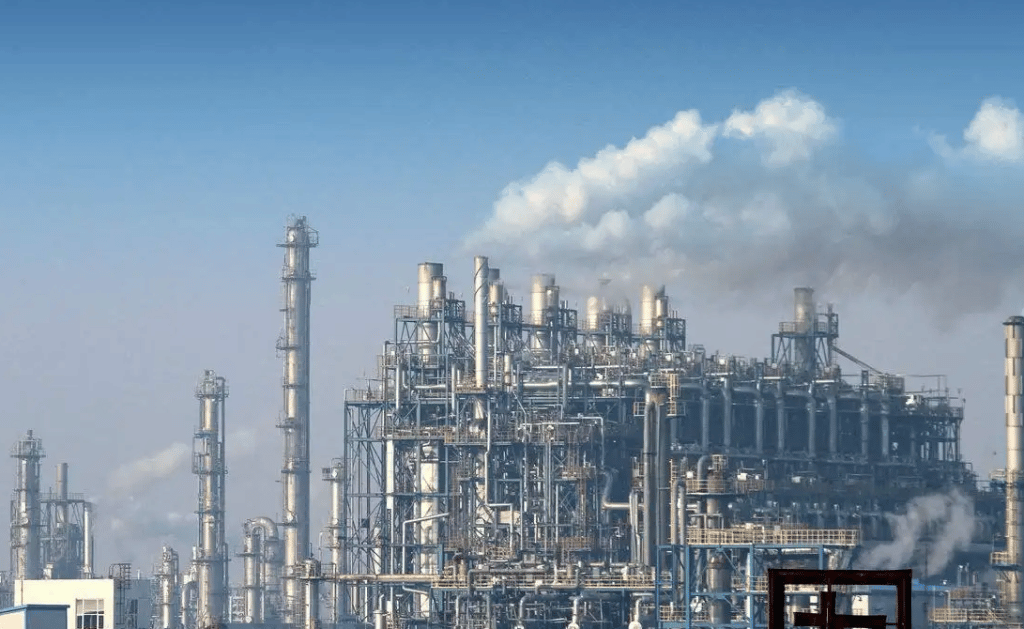
Kolkata Chemical Expansion Could Reshape Industrial Growth
Kolkata and the wider West Bengal industrial belt could see a new manufacturing push as Utkram Chemicals evaluates projects spanning fertilisers, petrochemicals and advanced road materials. The proposed expansion, which also covers Assam, places West Bengal’s established chemical and port-linked economy in focus while raising a bigger question: how can new industrial capacity grow without increasing pressure on land, water, transport and the environment?
The company is considering an integrated manufacturing platform that could include chemical products, petrochemical intermediates and a bitumen business targeting annual capacity of about 60,000 metric tonnes. The proposed bitumen portfolio includes paving-grade material, polymer-modified bitumen, crumb-rubber-modified bitumen and emulsions used in roads and other infrastructure.For Kolkata, the significance lies less in the company itself and more in the industrial ecosystem around the city. West Bengal already has chemical and petrochemical activity concentrated around the Kolkata–Haldia region. State government data identifies Kolkata and Haldia as important port and bulk-handling gateways, while Kalyani and the Kharagpur–Haldia belt are also recognised industrial locations.A larger manufacturing base could create demand across logistics, warehousing, engineering services and industrial employment. It could also strengthen supply chains for infrastructure projects in eastern and northeastern India. But those gains will depend on where facilities are ultimately located and whether transport and utility networks expand alongside industrial capacity.
The proposed chemical platform could involve naphtha as a feedstock, with discussions reportedly taking place around domestic and overseas sourcing. The company is also examining technologies for producing petrochemical building blocks such as ethylene and propylene. These materials feed a wide range of downstream industries, although the projects remain at the planning and evaluation stage.That distinction matters for Kolkata. Industrial proposals often translate into headlines well before land acquisition, financing, environmental clearances or construction begins. In this case, the proposed projects are still dependent on feasibility assessments, definitive commercial arrangements, funding and statutory approvals.For residents and surrounding communities, the key issue will therefore be how industrial expansion is managed. Chemical manufacturing requires careful controls for emissions, wastewater, hazardous materials, traffic and resource consumption. Urban planners and environmental specialists increasingly view such infrastructure through the full life cycle, rather than judging projects only by investment or employment numbers.
The next stage will be clearer project locations, investment commitments and regulatory filings. For Kolkata and its industrial hinterland, the opportunity is significant, but so is the need to ensure that new economic capacity strengthens the region without transferring environmental and infrastructure costs to nearby communities.