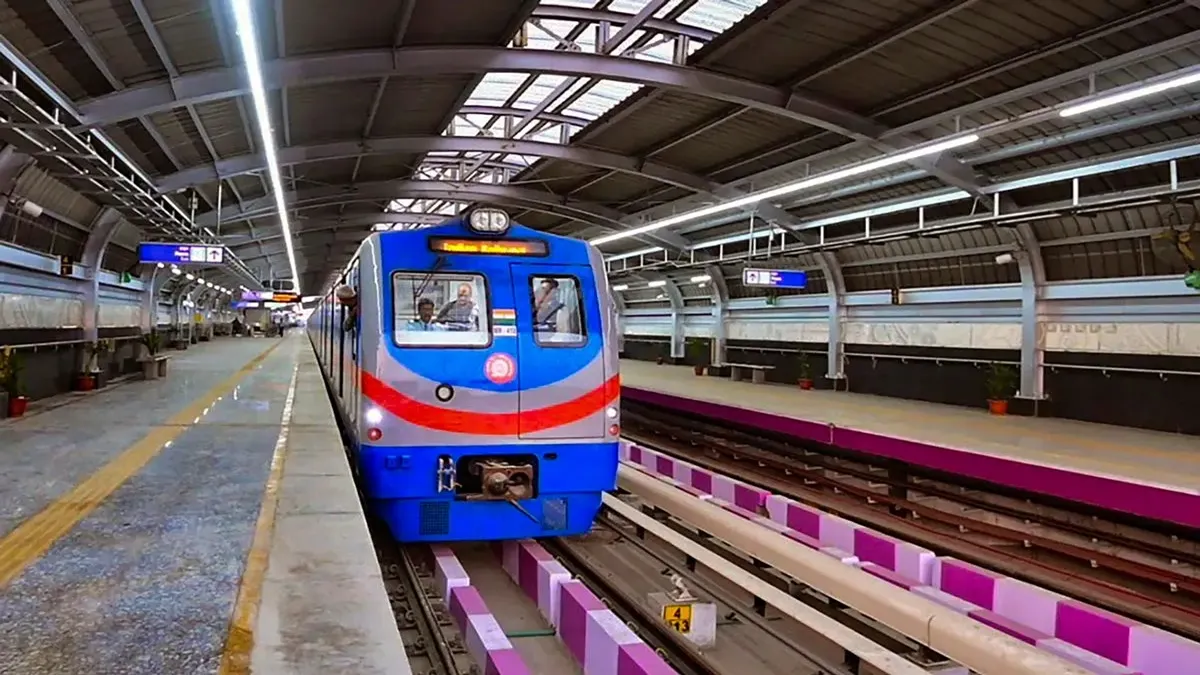
Titagarh Rail Systems Eyes New Global Metro Markets
Titagarh Rail Systems is preparing to test overseas demand for its metro rolling-stock capabilities through a new non-binding agreement with Siemens, opening a potential route into international urban transit markets. Signed on August 25, the arrangement does not commit either side to a specific project, but it signals a wider shift in India’s rail manufacturing sector towards competing for metro contracts beyond the domestic market.
The immediate significance lies in what happens next. The two companies will assess international metro rolling-stock opportunities individually, rather than announcing a confirmed overseas order. That distinction matters because the agreement itself creates no guaranteed revenue or project pipeline. Actual benefits will depend on successful bids, technical qualifications, financing and the ability to meet procurement standards in different countries.For cities, however, the development comes against a larger global push towards mass public transport. Metro systems are increasingly being used to reduce dependence on private vehicles, improve access to employment and manage congestion in rapidly expanding urban regions. Rolling stock the trains that operate on these systems is therefore becoming an important part of the wider urban infrastructure supply chain.
The company enters this market with a sizeable domestic workload. Its reported order book stood at Rs 26,635 crore at the end of the first quarter of FY2026-27, with Passenger Rail Systems accounting for Rs 10,395 crore. Freight Rail Systems represented another Rs 2,470 crore. Passenger rail activity has also expanded sharply, with more than 30 coaches dispatched during the quarter.Domestic metro programmes remain an important part of that pipeline. Projects in Bengaluru and Gujarat are being prioritised, while a Mumbai Metro prototype is expected to begin during late FY2027 or early calendar 2027. The company is also targeting higher coach production, with a longer-term capacity ambition of more than 850 coaches annually by FY2029-30.The environmental case for expanding metro capacity is stronger when systems replace car and two-wheeler journeys rather than simply adding another transport option. That makes reliability, affordability, station connectivity and network integration as important as the trains themselves. Urban planners say procurement should therefore be assessed on whole-life performance, energy use, maintenance and passenger accessibility, not only the initial cost.
The Siemens arrangement could provide an additional route into markets where technology credentials and international project experience are major entry barriers. But with no overseas contract attached yet, the next test will be whether exploratory cooperation can translate into competitively priced, dependable metro systems that deliver measurable benefits for passengers and cities.