


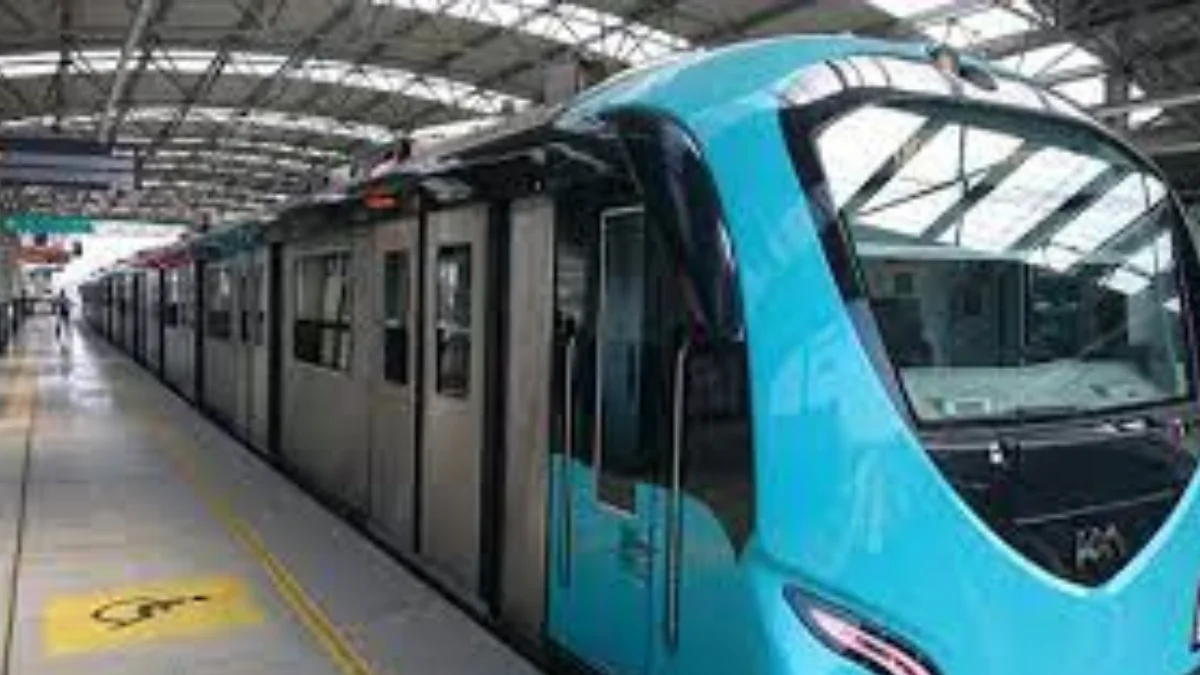
Indore’s metro rail project has entered a new phase with the issuance of a tender valued at over ₹101 crore, signalling continued investment in expanding the city’s urban transit network. The move reflects a broader effort to strengthen public transport infrastructure as Indore navigates rapid population growth and rising mobility demand. Officials associated with the project indicate that the tender is aimed at supporting critical system components required for operational scaling and passenger readiness.
While civil construction has progressed steadily in recent years, attention is now shifting towards enabling infrastructure that ensures smoother service delivery and commuter experience. The Indore metro tender comes at a time when the city is seeking to transition towards more sustainable and efficient mobility systems. With increasing vehicle ownership placing pressure on existing road networks, metro rail is expected to play a key role in reducing congestion and improving travel reliability across key corridors. Urban transport experts note that such investments are essential to bridge the gap between infrastructure creation and functional efficiency. Beyond tracks and stations, metro systems depend on integrated technologies, safety systems, and operational support to deliver consistent service. The Indore metro tender is seen as part of this broader ecosystem development. From an economic standpoint, the tender also signals continued capital flow into urban infrastructure, creating opportunities for contractors, technology providers, and allied sectors. Large-scale transit investments often have multiplier effects, contributing to job creation and boosting local economies during both construction and operational phases. However, planners caution that infrastructure expansion must be complemented by last-mile connectivity and multimodal integration. Without efficient feeder systems such as buses, shared mobility, and pedestrian-friendly access, metro systems may struggle to achieve optimal ridership levels. Ensuring seamless connectivity will be critical for maximising the benefits of the new investments. Environmental considerations further reinforce the importance of such projects. By encouraging a shift from private vehicles to mass transit, metro systems can significantly reduce per capita emissions and energy consumption. As cities like Indore work towards climate-resilient growth, investments reflected in the Indore metro tender align with broader sustainability objectives. At the same time, the effectiveness of these investments will depend on timely execution and coordinated planning. Delays, cost overruns, or fragmented implementation can dilute the intended impact.
Experts emphasise the need for transparent procurement processes and strong project management to ensure that public funds translate into tangible urban benefits. As Indore continues to evolve as a major urban centre, the metro project remains central to its mobility future. The latest tender underscores a commitment to expanding capacity, but also highlights the need for a holistic approach that prioritises accessibility, efficiency, and long-term sustainability.
ALSO READ – Indore Metro Delay Raises Questions On Urban Priorities
Indore Metro Tender Worth Rs 101 Crore Floated
