


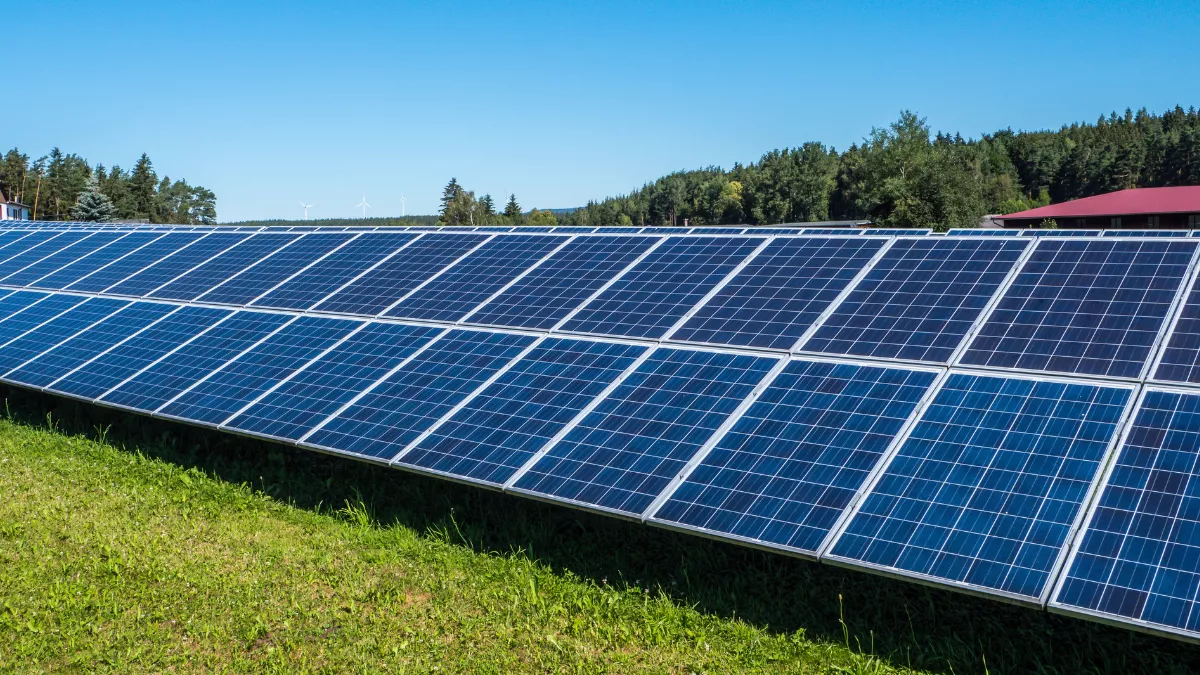
Indore’s 60 MW municipal solar power plant has begun delivering measurable financial savings within its first month of operation, offering an early indication of how renewable energy can reshape urban service delivery. The project, developed to offset electricity costs for civic infrastructure, marks a strategic shift towards cleaner and more cost-efficient energy use in city governance.
Municipal officials indicate that the solar installation is already reducing dependence on conventional grid power, particularly for energy-intensive services such as water supply systems and public lighting. The Indore solar plant is expected to significantly lower long-term electricity expenditure, freeing up resources that can be redirected towards other urban priorities. Energy experts note that such early savings are crucial for building confidence in large-scale renewable projects at the city level. By stabilising operational costs, solar power can help municipal bodies manage budget volatility linked to fluctuating energy prices. The Indore solar plant demonstrates how local governments can leverage renewable assets not just for environmental benefits, but also for fiscal resilience. The project also aligns with broader climate goals, as cities account for a substantial share of energy consumption and emissions. Transitioning municipal operations to solar power reduces carbon intensity while supporting India’s commitments to cleaner energy systems. Urban planners highlight that integrating renewable energy into core services is a critical step towards building climate-resilient cities. From an infrastructure perspective, the initiative reflects a growing trend where cities are investing in decentralised energy generation. Unlike traditional power procurement models, municipal solar plants offer greater control over supply and pricing, enhancing energy security. This is particularly relevant for rapidly expanding urban centres where demand is rising faster than grid capacity upgrades. The Indore solar plant also has implications for urban equity. Lower operational costs can enable municipalities to maintain or improve service delivery without disproportionately increasing user charges. In the long run, such projects can contribute to more inclusive access to essential services, especially in lower-income areas. However, experts caution that scaling renewable energy requires careful planning around land use, grid integration, and maintenance. Ensuring consistent performance and managing intermittency remain key challenges. Cities adopting similar models will need robust monitoring systems and technical capacity to sustain benefits over time.
Looking ahead, officials suggest that the success of the project could pave the way for additional renewable investments across municipal operations. As urban centres confront the dual pressures of climate change and financial constraints, initiatives like the Indore solar plant illustrate a pathway where sustainability and economic efficiency can reinforce each other. The early gains from the project highlight a broader shift in how cities approach infrastructure moving beyond expansion to optimisation, where cleaner energy systems become central to long-term urban resilience.
ALSO READ – Indore Metro Tender Worth Rs 101 Crore Floated
Indore 60 MW Solar Project Drives Urban Savings
