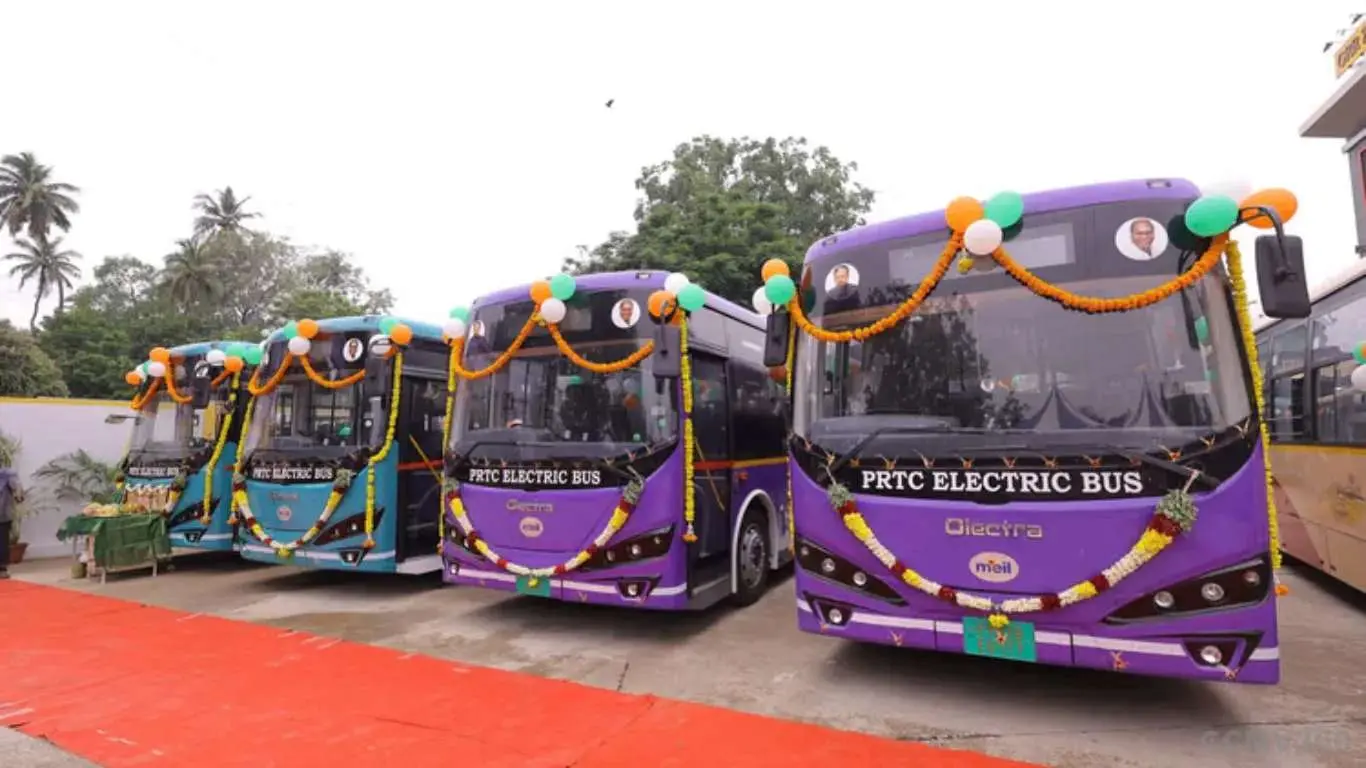
As commercial operations at Noida International Airport move closer, transport agencies across Delhi-NCR are accelerating plans to build a wider public mobility network around the upcoming aviation hub. Authorities have identified 25 electric bus corridors connecting cities including Ghaziabad, Meerut and Hapur to the airport region, signalling a shift towards cleaner regional connectivity before passenger traffic begins at scale.
The proposed electric bus network is expected to reduce dependence on private vehicles and improve first- and last-mile access for travellers moving between NCR’s residential clusters and the airport zone in Jewar. Urban mobility experts say the timing of the rollout is significant because many Indian airports have historically struggled with inadequate public transport integration during their early years of operation. Officials involved in the planning process indicated that routes have been mapped to connect densely populated urban corridors, transit nodes and commercial districts. Several of the proposed services are expected to pass through employment-heavy stretches such as Indirapuram, Vaishali, Sector-62, Pari Chowk and Vijay Nagar, helping daily commuters as well as air passengers. Among the more strategically important corridors are the proposed services linking Ghaziabad to Jewar through multiple alignments, including routes via Sikandrabad and Greater Noida.
Another long-distance route connecting Meerut is expected to travel through Modinagar, Muradnagar and Mohan Nagar, effectively integrating western Uttar Pradesh with the new airport economy.Urban planners view the electric bus rollout as part of a broader transition towards lower-emission infrastructure across NCR. The use of e-buses instead of diesel fleets could help reduce pollution along heavily congested corridors while supporting state-level clean mobility targets. However, transport researchers caution that long-term success will depend on charging infrastructure, service frequency, ticket affordability and integration with metro and regional rail systems. The Noida Airport connectivity plan also reflects lessons learned from earlier regional aviation projects where weak public transport links limited accessibility and increased road congestion. In the case of the Hindon civil terminal, commuters initially relied heavily on private taxis and personal vehicles due to limited feeder services.
Authorities are expected to begin phased route trials before formal operations commence. While no final launch calendar has been announced for the bus services, preparations are being aligned with the airport’s phased opening schedule. Domestic and cargo operations are expected to begin first, followed by international connectivity later in the year. The larger challenge for NCR’s planners will be ensuring that the Noida Airport transport ecosystem evolves beyond airport access alone. If executed effectively, the electric bus programme could become a model for integrating aviation-led urban expansion with cleaner and more inclusive regional mobility.