


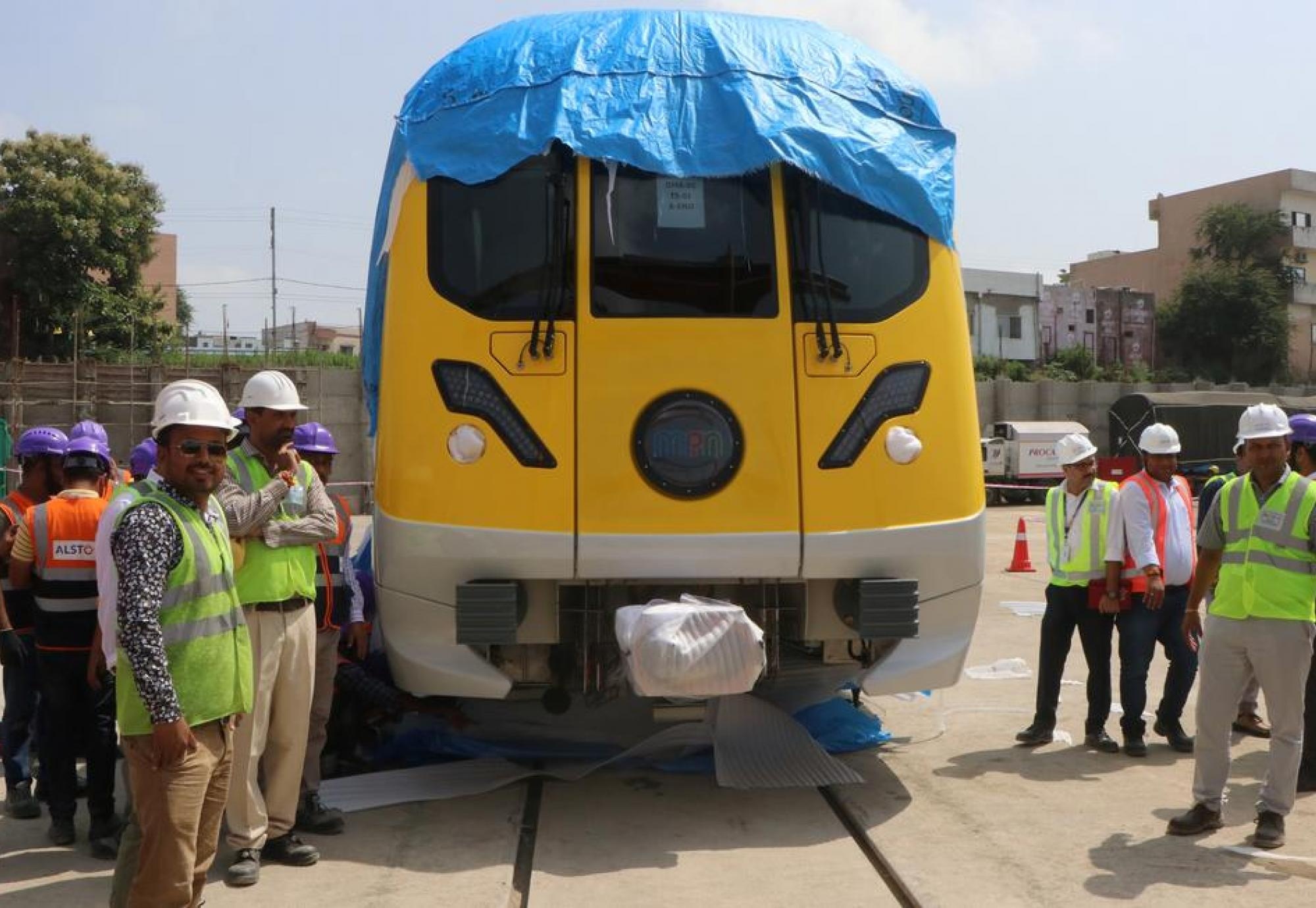
Indore’s much-anticipated metro rail launch has been put on hold despite receiving all operational clearances, with the delay attributed to the absence of an agreed ceremonial date. The unexpected pause has raised concerns about how non-technical factors can influence the rollout of critical urban infrastructure in rapidly growing cities. Officials confirm that the system is technically ready for public use, having completed safety inspections and trial runs. However, the final decision on inauguration timing remains pending.
The Indore metro delay comes at a time when the city is grappling with rising traffic congestion and increasing demand for efficient public transport options. Urban mobility experts note that such delays, even if temporary, have wider implications. Large-scale transit systems are designed to shift commuters away from private vehicles, reduce travel time, and cut emissions. Holding back operations despite readiness can slow down these benefits, especially in corridors where commuters currently rely on congested road networks. The Indore metro delay also highlights a recurring challenge in infrastructure governance where project completion does not always translate into immediate public access. Analysts suggest that aligning administrative processes with operational readiness is essential to maximise economic and social returns from high-investment projects. For daily commuters, the delay translates into continued dependence on road-based transport. This not only affects travel time reliability but also adds to fuel consumption and urban pollution levels. Experts emphasise that early activation of mass transit systems is key to shaping commuter behaviour, particularly in cities transitioning towards multimodal mobility frameworks. There are also financial considerations. Metro systems involve significant capital and operational costs, and delayed ridership can impact revenue streams in the initial phases. While a short postponement may not have a major fiscal impact, repeated or prolonged delays could affect long-term viability and planning for network expansion. From a broader urban development perspective, the situation underscores the need for institutional clarity in project execution. Infrastructure specialists argue that once safety and compliance benchmarks are met, operational decisions should prioritise public utility over ceremonial considerations. This becomes particularly relevant in cities aiming to position themselves as efficient, investor-friendly urban centres.
Looking ahead, officials indicate that the launch is expected soon once scheduling issues are resolved. For Indore, the metro represents more than just a transport upgrade it is a step towards building a more sustainable, connected, and inclusive urban ecosystem. The Indore metro delay serves as a reminder that infrastructure success is not only about construction milestones, but also about timely delivery to the people it is meant to serve.
ALSO READ – Indore BRTS Corridor Removal Reshapes Urban Mobility
Indore Metro Delay Raises Questions On Urban Priorities
