Gurugram Waste Transport Plan Addresses Landfill Load
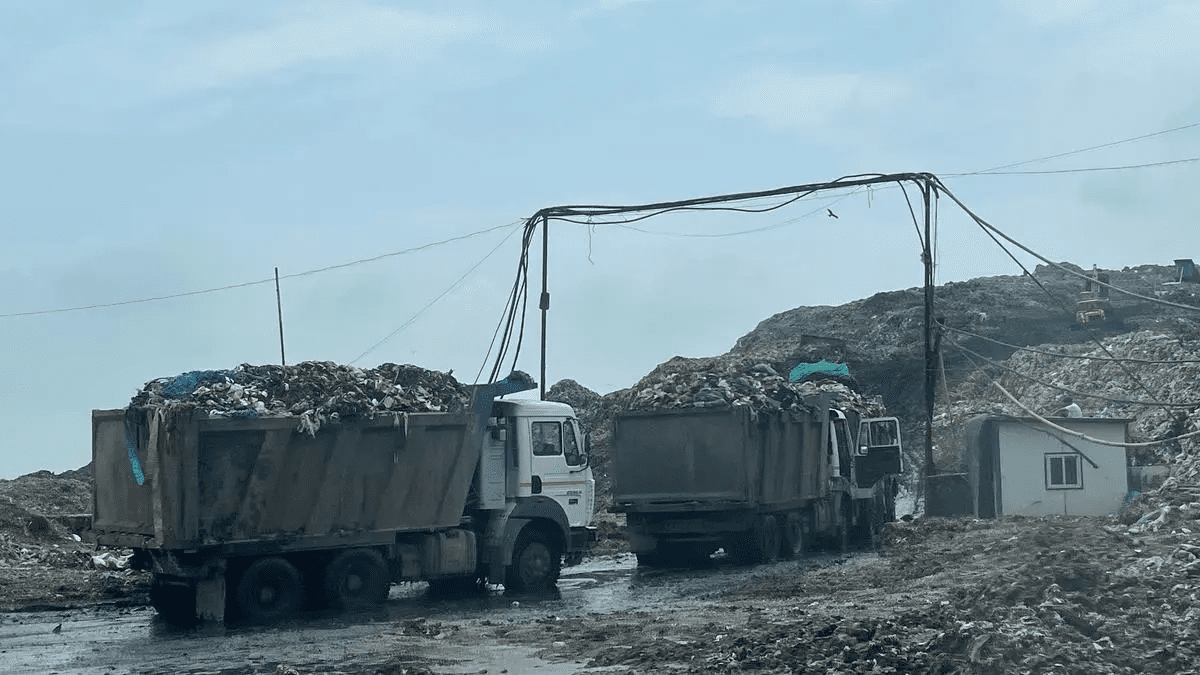
In Gurugram, municipal authorities have initiated an interim waste logistics arrangement to maintain daily sanitation services as the city confronts mounting pressure on its disposal systems. The short-term intervention is aimed at preventing waste accumulation across residential and commercial areas, highlighting persistent gaps in urban waste infrastructure amid rapid population and economic growth. The Gurugram Waste Transport Plan has been introduced as a temporary measure to ensure uninterrupted movement of municipal solid waste from local collection points to the Bandhwari landfill, the primary disposal site catering to the region. Officials indicate that delays in finalising long-term processing and transportation contracts have strained existing systems, increasing the risk of operational disruptions.
Urban governance specialists emphasise that waste transportation forms a critical backbone of city sanitation. Even minor breakdowns in this link can cascade into visible public health concerns, including roadside dumping and environmental contamination. In this context, the Gurugram Waste Transport Plan is being viewed as a stabilising intervention rather than a structural fix. However, reliance on the Bandhwari landfill continues to raise environmental concerns. The site has long exceeded its designed capacity and receives large volumes of untreated waste daily. Environmental planners warn that such dependence can intensify groundwater contamination, degrade air quality and increase methane emissions—a potent greenhouse gas contributing to climate change. These risks underline the urgency of transitioning towards processing-based waste systems. The current situation also reflects broader challenges in procurement and infrastructure rollout. Limited bidder participation and execution delays have slowed the adoption of decentralised waste treatment solutions, including composting and material recovery facilities. Experts argue that without diversified processing capacity, cities like Gurugram remain vulnerable to recurring disruptions in waste management cycles.
As urban consumption patterns evolve, the composition and volume of waste are also changing. Mixed waste streams continue to dominate, largely due to weak segregation practices at the household and commercial levels. Analysts suggest that improving segregation at source could significantly reduce landfill dependency while enabling recycling and resource recovery—key elements of a circular urban economy. From a real estate and investment standpoint, effective waste management is increasingly tied to urban liveability and regulatory compliance. Poor sanitation outcomes can affect property markets, infrastructure planning and investor perception, particularly in high-growth corridors where environmental performance is under scrutiny. The interim Gurugram Waste Transport Plan is expected to provide immediate relief by ensuring continuity in waste collection and disposal. Yet, urban planners caution that such stopgap measures must be accompanied by long-term reforms, including stricter enforcement of segregation norms, accelerated development of processing infrastructure and adoption of climate-sensitive waste strategies.
As the city navigates these pressures, the focus is gradually shifting towards building a more resilient system—one that reduces landfill dependence, lowers environmental impact and aligns with sustainable urban development goals. The coming months will be critical in determining whether temporary interventions can translate into durable improvements in Gurugram’s waste management framework.