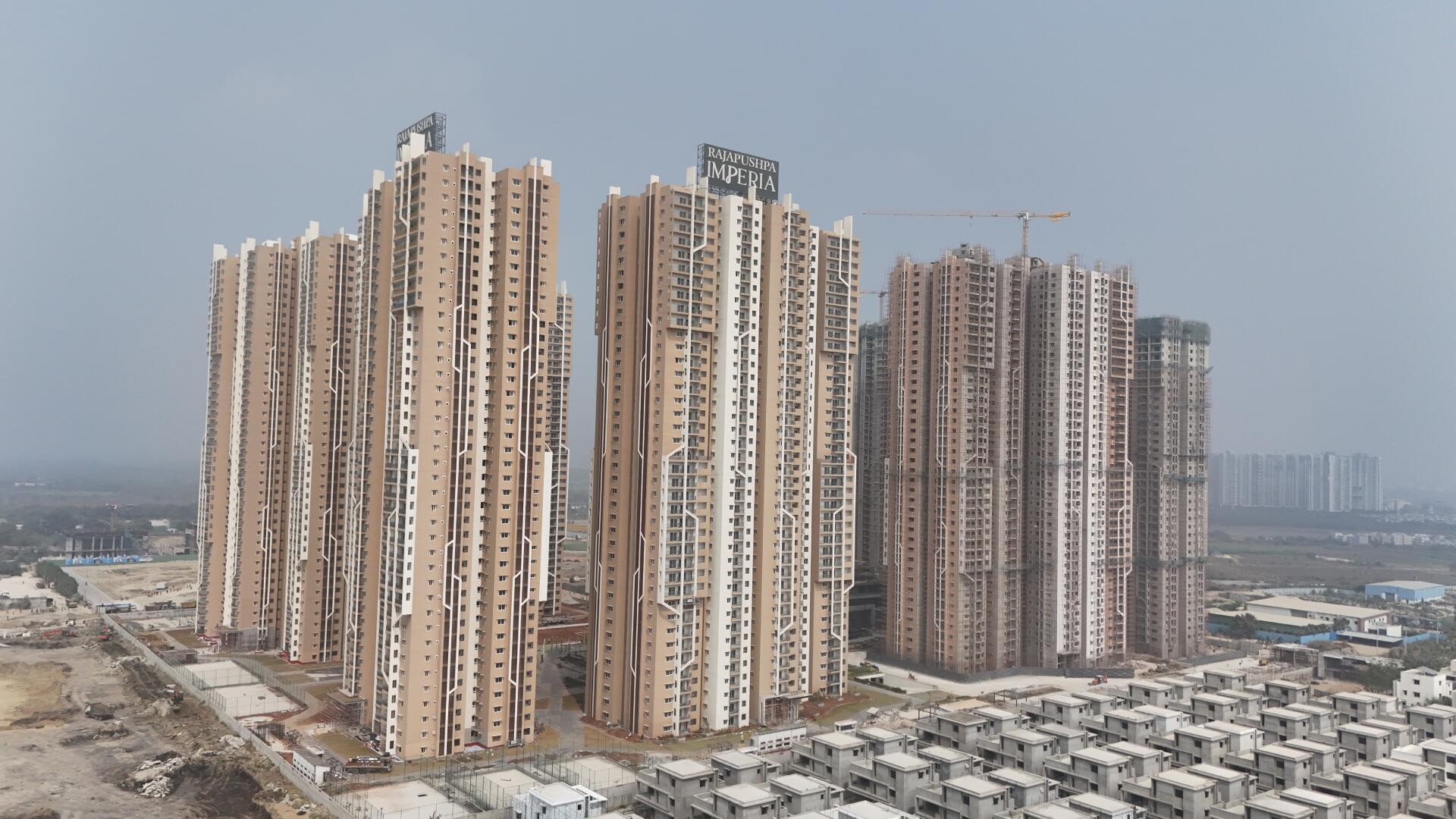
A sharp rise in apartment prices across Delhi NCR is reshaping the region’s housing market, even as affordability pressures continue to limit broader homeownership. New market data for the first quarter of 2026 shows residential prices in several micro-markets rising between 8 and 20 per cent, highlighting how infrastructure-led growth and premium housing demand are widening the gap between aspirational and accessible urban living.
The increase comes at a time when the region is witnessing steady but uneven housing demand. Analysts tracking the Delhi NCR real estate market say buyers are increasingly gravitating towards larger homes, integrated townships and gated developments that offer stronger connectivity, open spaces and hybrid work-friendly amenities. This shift has accelerated price growth in premium corridors while budget housing continues to slow. Several urban expansion zones including the Dwarka Expressway corridor, Noida Expressway belt and emerging sectors in Greater Noida have seen heightened investor activity due to metro connectivity upgrades, road infrastructure projects and commercial development. Urban planners note that these corridors are increasingly being designed around automobile-centric growth, raising concerns about long-term sustainability, public transport dependency and equitable access to housing. The Delhi NCR real estate market has also been influenced by rising construction costs.
Higher prices of steel, cement and urban land parcels have pushed developers towards high-margin projects rather than affordable housing supply. Industry observers say this has reduced the availability of homes priced below ₹50 lakh, a segment traditionally driven by first-time buyers and middle-income households. While residential sales volumes improved year-on-year during the quarter, market experts caution that demand is becoming concentrated within a narrower income bracket. Buyers with stronger purchasing capacity are willing to pay premiums for proximity to business districts, energy-efficient buildings and lifestyle infrastructure, while a large section of urban residents remains priced out of organised housing markets. Urban economists argue that the trend reflects a structural transition underway in Indian metropolitan regions. Instead of volume-led expansion, developers are increasingly focusing on value-led inventory targeted at affluent consumers. This approach may strengthen project profitability, but it also risks deepening spatial inequality if affordable housing and rental ecosystems fail to expand alongside luxury development.
Environmental experts additionally point to the growing pressure on urban infrastructure, water systems and transport networks as high-density residential projects spread across peri-urban zones. They say future growth in the Delhi NCR real estate market will require stronger planning safeguards, transit-oriented development and climate-responsive housing policies to avoid unsustainable urban sprawl. With inventory levels gradually rising, developers are expected to introduce more flexible payment plans and targeted incentives in the coming quarters. However, analysts believe any major correction in prices remains unlikely, particularly in well-connected corridors where infrastructure investment continues to reshape land values and buyer expectations.