Ahmedabad temperature dip offers brief urban heat relief
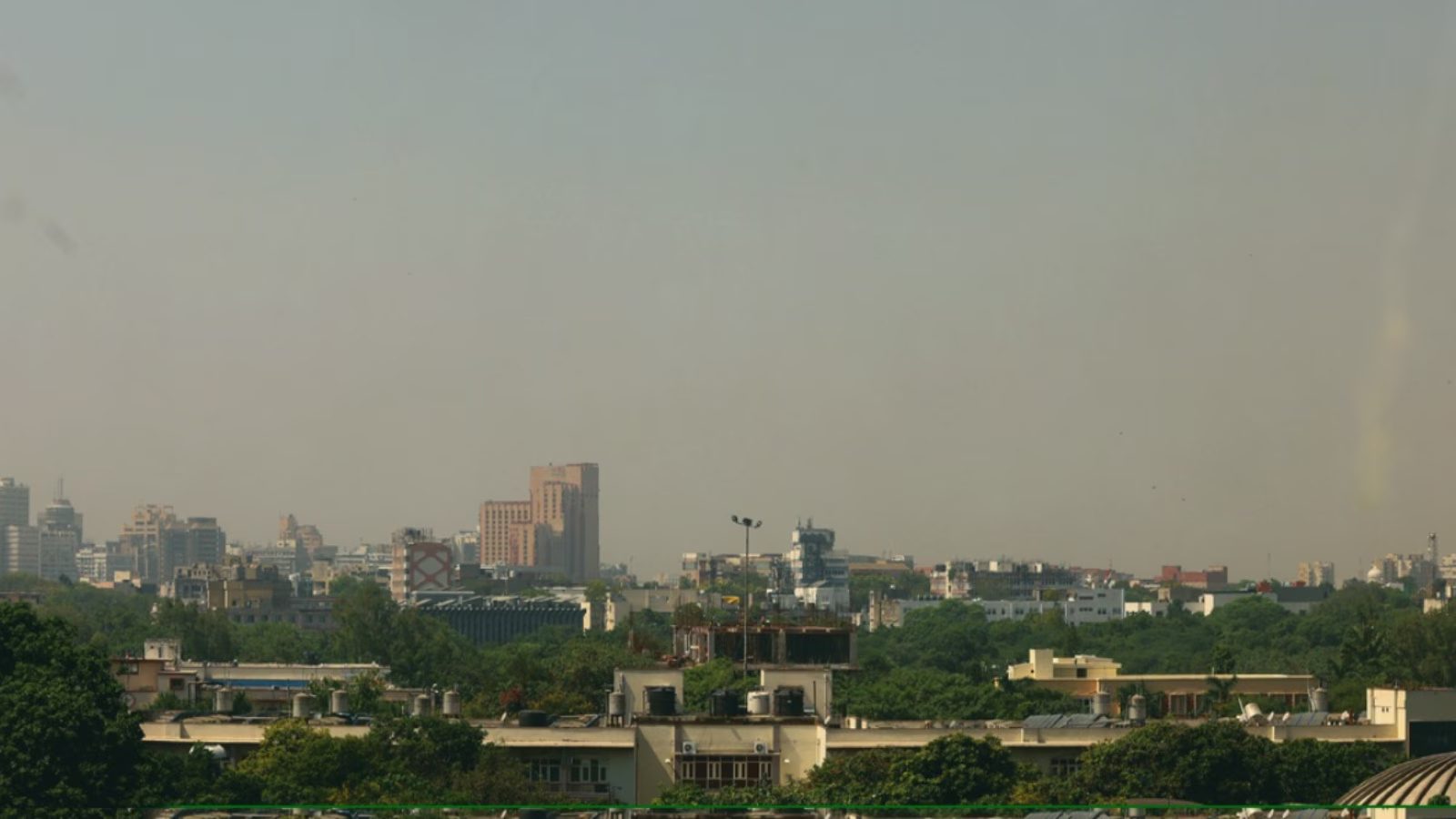
In Delhi, deteriorating air conditions have resurfaced even before the onset of peak summer, with pollution levels slipping into the “poor” category this week. The development underscores a shifting pattern in which air quality concerns are no longer confined to winter months, raising broader questions about the city’s long-term environmental resilience and urban planning strategies. Recent monitoring data indicates that the Delhi Air Quality Index has crossed the 200 threshold, a level associated with adverse health impacts for sensitive groups. This decline has coincided with rising temperatures and subdued wind activity, conditions that limit the dispersion of pollutants and allow particulate matter to accumulate closer to ground level. As daytime temperatures approach 40 degrees Celsius, atmospheric stability is further intensifying the problem.
Experts tracking Delhi Air Quality suggest that this recurring trend reflects the dominance of structural emission sources rather than seasonal anomalies. Dust from construction sites, vehicular exhaust and resuspended road particles continue to drive pollution levels, particularly in high-density corridors undergoing rapid infrastructure expansion. Without consistent mitigation practices, these sources remain active throughout the year. Urban planners highlight that the pace of development in the capital has added complexity to air quality management. Large-scale construction and redevelopment projects often generate fine dust particles, while enforcement of on-site environmental safeguards remains uneven. Analysts argue that embedding dust control mechanisms—such as real-time monitoring systems and stricter compliance protocols—into project design could reduce long-term exposure. The economic implications of sustained poor air conditions are also becoming more visible. Reduced worker productivity, increased healthcare costs and disruptions to outdoor economic activity can collectively weigh on urban efficiency. For sectors like real estate and infrastructure, environmental performance is increasingly influencing investment decisions, with stakeholders paying closer attention to sustainability benchmarks.
Public health professionals caution that prolonged exposure to moderate pollution levels can trigger respiratory and cardiovascular issues, particularly among vulnerable populations. In densely populated urban environments, the burden is often unevenly distributed, affecting low-income communities with limited access to protective infrastructure more severely. The persistence of poor air quality during warmer months has prompted calls for a more integrated policy approach. While short-term measures such as graded response plans can provide temporary relief, experts stress the importance of structural interventions. These include expanding public transport networks, encouraging cleaner mobility options and increasing urban green cover to absorb pollutants. Climate-responsive planning is emerging as a critical component of this transition. Reducing reliance on private vehicles, promoting decentralised work hubs and aligning infrastructure growth with environmental goals could help lower emission intensity over time. Such strategies are increasingly seen as essential to achieving both cleaner air and more liveable urban spaces.
As Delhi navigates the early summer period, the recurrence of elevated pollution levels signals a deeper systemic challenge. The trajectory of Delhi Air Quality will depend not only on enforcement but also on how effectively long-term urban reforms are implemented to balance growth with environmental sustainability.