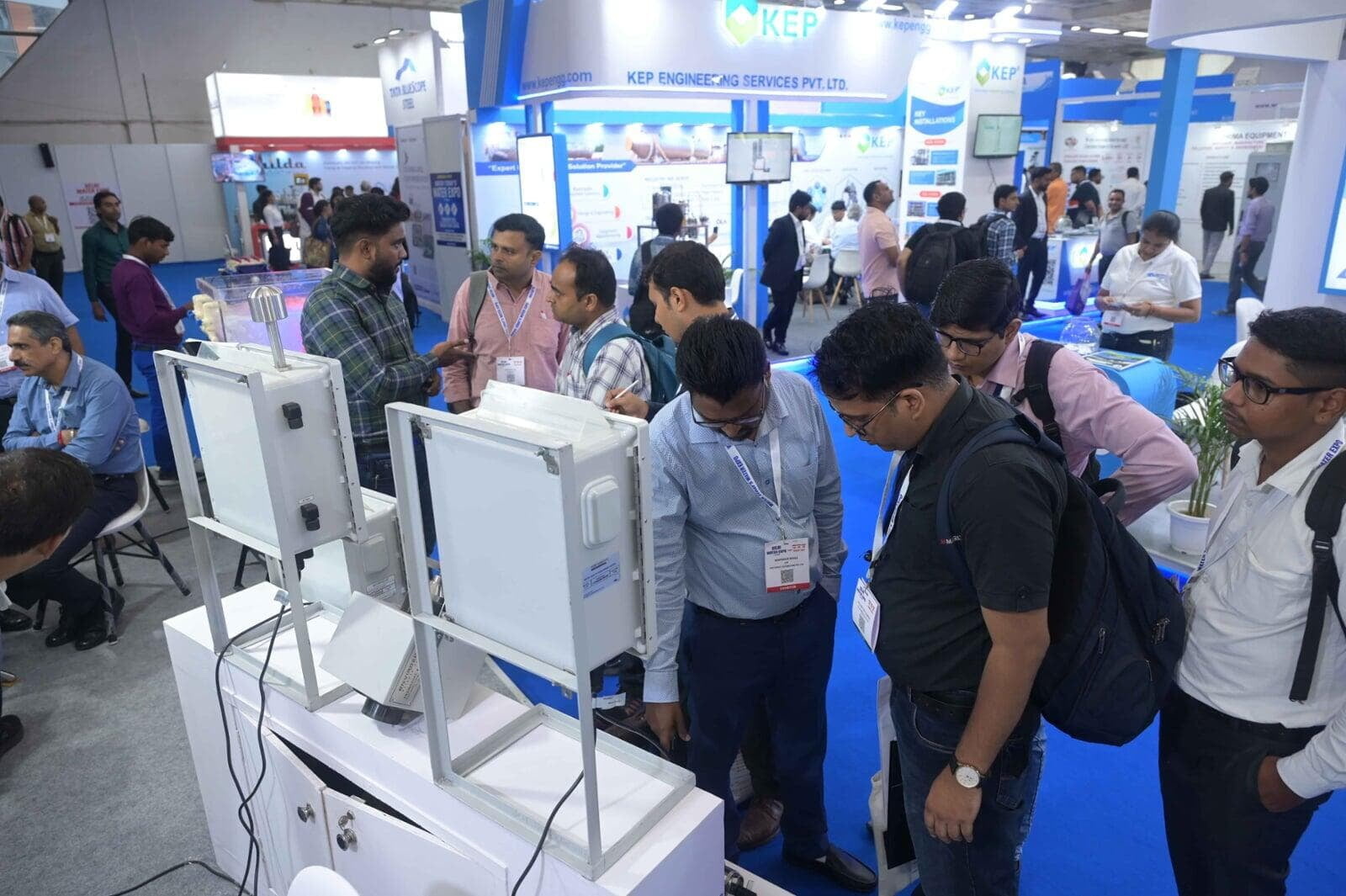
Delhi Water Expo Signals Major Urban Water Reforms
Delhi’s urban water management system is poised for a significant overhaul as the city prepares to host a major international platform focused on water infrastructure, technology and sustainability. The upcoming Delhi Water Expo aims to bring together global technology firms, policy experts and infrastructure planners to explore solutions for drinking water supply, wastewater treatment and river restoration in one of the world’s most water-stressed megacities. Officials overseeing the capital’s water utility say the event is designed to support long-term planning for projects expected to exceed ₹50,000 crore over the coming years. These investments are expected to address persistent challenges related to water availability, ageing distribution networks and the ecological health of the Yamuna river system.
Urban planners point out that Delhi’s water demand continues to rise alongside population growth and rapid urban expansion. The city depends heavily on river systems and inter-state water agreements, making efficient treatment, recycling and distribution increasingly critical. Platforms like the Delhi Water Expo are being positioned as spaces where emerging technologies—ranging from smart metering to advanced wastewater recycling—can be evaluated for large-scale urban deployment. The capital has already earmarked approximately ₹9,000 crore in its current budget for water and sewerage infrastructure. A major component of this strategy involves decentralised wastewater treatment, which experts consider essential for dense urban environments. Authorities have approved plans for 35 decentralised sewage treatment plants, designed to treat wastewater closer to its source, thereby reducing pressure on large centralised facilities and improving reuse potential. In addition, around 10 new sewage treatment plants (STPs) are proposed to expand treatment capacity and improve effluent quality entering the Yamuna. Environmental analysts note that improved wastewater treatment remains central to restoring the ecological balance of the river, which continues to face pollution pressures from untreated discharge and urban runoff.
Industry specialists say the Delhi Water Expo could also open discussions on restructuring how water distribution networks are managed in large cities. Some policymakers are examining decentralised management models and partnerships with private operators to improve efficiency, reduce leakages and strengthen service delivery in rapidly growing urban districts. Such reforms remain sensitive but increasingly relevant. According to infrastructure experts, many Indian cities lose a substantial portion of treated water through ageing pipelines and inefficient distribution networks. Addressing these losses could significantly improve supply without increasing extraction from already stressed river basins. For Delhi, where climate variability and population density are placing growing pressure on water resources, improving resilience in the water cycle has become a central urban challenge. Investments in treatment infrastructure, decentralised systems and smart monitoring technologies are increasingly viewed as essential components of climate-adaptive city planning.
If the initiatives discussed at the Delhi Water Expo translate into long-term infrastructure upgrades, the capital could move closer to building a more circular water economy—one where wastewater is treated, reused and reintegrated into urban systems rather than discharged into fragile river ecosystems. For residents, the outcome could ultimately shape the reliability, quality and sustainability of the city’s most fundamental urban service: access to safe water.