


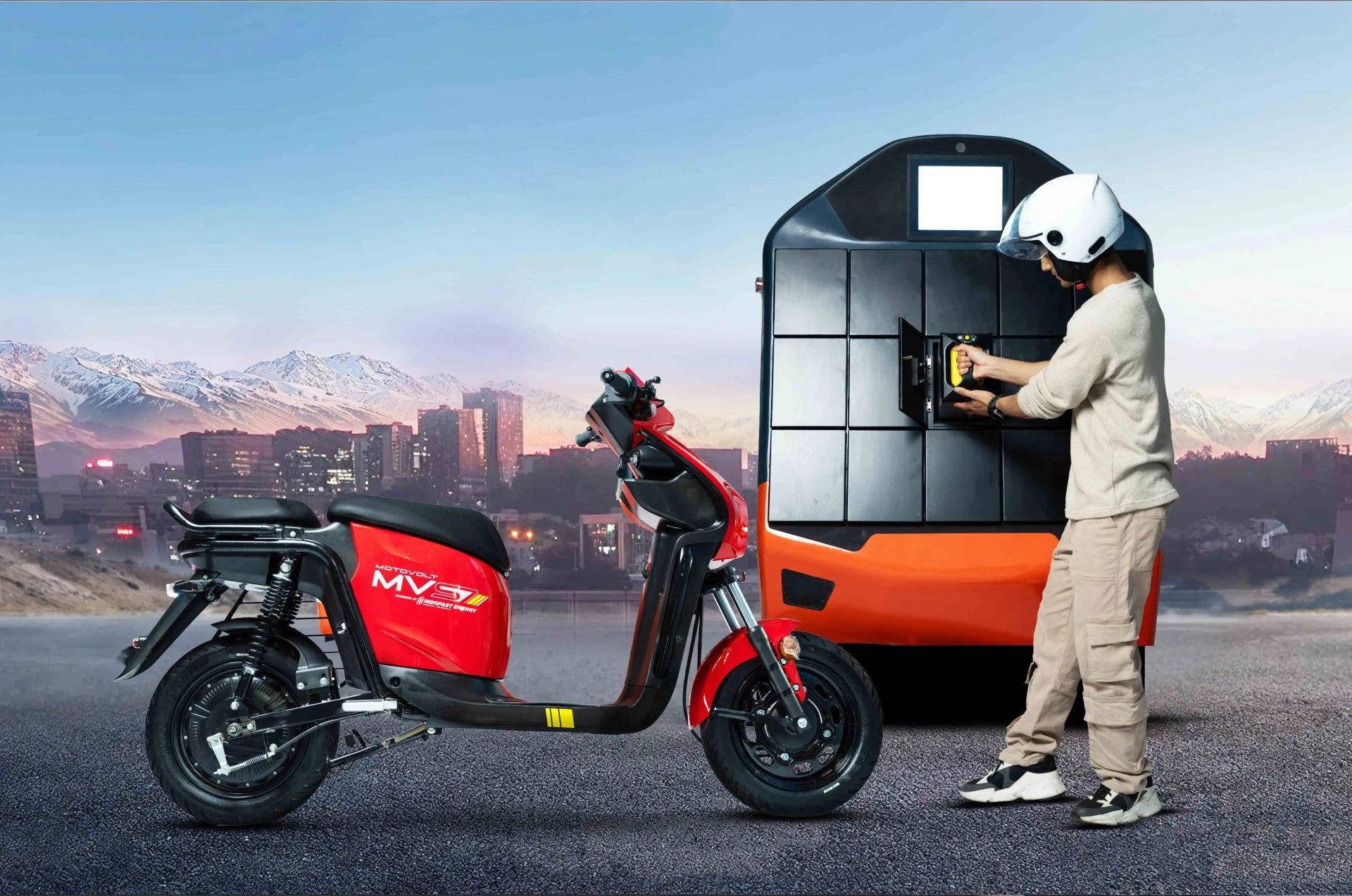
Kolkata’s metro stations are emerging as focal points for app-based bike services, as operators move to address gaps in last-mile connectivity caused by inconsistent availability of traditional transport options.
The shift highlights a growing transformation in Kolkata last mile mobility, where digital platforms are stepping in to bridge service gaps and improve commuter convenience in high-density urban corridors.The increasing presence of app bikes around metro entry and exit points reflects changing commuter behaviour, particularly during peak hours when autorickshaw availability becomes unreliable. Riders are turning to app-based services for quicker, more predictable journeys, while operators are strategically positioning fleets near transit hubs to capture demand. This evolving ecosystem is gradually redefining how commuters navigate the final leg of their daily journeys.Urban mobility experts note that Kolkata last mile mobility has long been a challenge due to fragmented transport systems and uneven service distribution. The integration of app-based solutions introduces a layer of efficiency and flexibility, enabling commuters to access transport on demand. By aligning with metro networks, these services are helping create more seamless multimodal travel experiences.However, the growth of app bikes also raises regulatory and infrastructural considerations. Questions around designated parking, safety standards, and traffic management are becoming increasingly relevant as the number of vehicles operating near metro stations rises.
Without proper planning, the clustering of bikes in limited spaces could lead to congestion and operational inefficiencies.From an economic perspective, the expansion of app-based mobility services is generating new income opportunities, particularly for gig workers. At the same time, it is intensifying competition for traditional transport providers, prompting a need for policy frameworks that ensure fair and balanced market conditions.Sustainability is another important dimension of this transition. While two-wheelers are generally more fuel-efficient than larger vehicles, the environmental impact depends on the type of vehicles used and overall fleet management practices. Encouraging the adoption of electric bikes within this segment could enhance the sustainability benefits of Kolkata last mile mobility solutions.Urban planners emphasise that the success of such services depends on effective integration with public transport infrastructure. Designing dedicated pickup and drop-off zones, improving pedestrian access, and ensuring clear signage can enhance usability while minimising disruptions. Coordinated planning between transport authorities and private operators will be key to achieving these outcomes.
As Kolkata continues to expand its metro network, the demand for reliable last-mile solutions is expected to grow. The rise of app-based bike services indicates a shift towards more adaptive and technology-driven mobility systems, offering insights into how cities can address longstanding connectivity challenges while supporting efficient and sustainable urban transport networks.
Also Read:Kolkata Retail Expansion Drives Mixed Use Urban Growth
