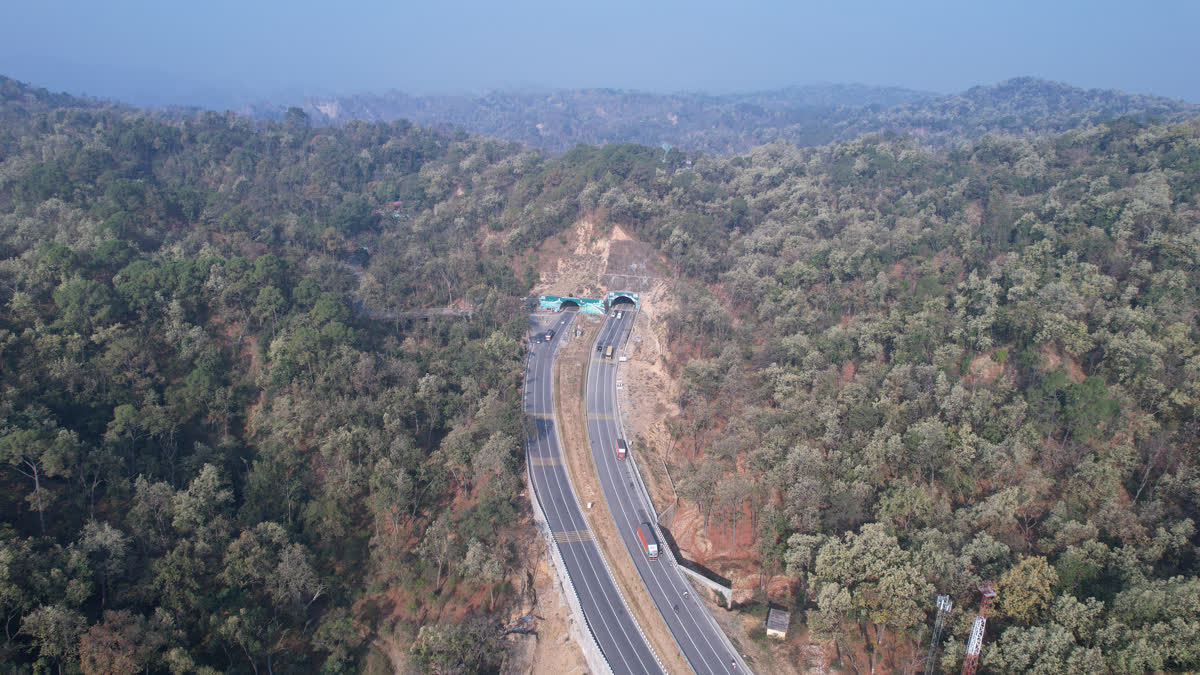
A newly operational high-speed corridor connecting the national capital with the Himalayan foothills is expected to significantly alter travel patterns across northern India. The Delhi Dehradun Expressway, developed at an estimated cost of about ₹12,000 crore, has been formally opened to traffic, creating a faster road link between Delhi and Uttarakhand’s capital while signalling a broader shift toward integrated regional connectivity. The expressway is designed to reduce the typical journey between Delhi and Dehradun from nearly six hours to around two to two-and-a-half hours. Transport planners say this reduction in travel time could reshape commuting, tourism flows and logistics across the National Capital Region and adjoining hill states.
Infrastructure officials involved in the project indicate that the Delhi Dehradun Expressway forms part of a larger strategy to expand India’s network of high-speed corridors linking major cities with emerging economic and tourism centres. By improving access to Uttarakhand’s foothill districts, the route is expected to ease congestion on older highways while creating more efficient road-based connectivity for both passenger and freight movement. Urban development experts note that expressways often influence regional real estate and tourism markets. Faster road links between metropolitan regions and smaller cities can stimulate hospitality investments, logistics parks and housing demand along the corridor. Towns situated along the alignment may experience new economic activity as accessibility improves. Officials monitoring national highway programmes also point to the scale of ongoing infrastructure expansion in the region. Multiple road projects across the capital and neighbouring states are currently under development, forming part of a national strategy to modernise transport corridors and strengthen economic connectivity. The broader highway network across the country has expanded rapidly in recent years, reflecting sustained public investment in mobility infrastructure.
However, planners emphasise that high-speed road corridors must be balanced with long-term environmental considerations. Transport analysts highlight the need for green infrastructure features such as wildlife crossings, controlled urban development along expressways and integration with public transport networks to prevent unplanned sprawl. The Delhi Dehradun Expressway also carries strategic importance for tourism and pilgrimage routes that connect the plains with Uttarakhand’s religious destinations. Improved travel conditions could make weekend tourism and short-duration trips more viable, potentially increasing visitor numbers while placing new demands on local urban infrastructure and ecological management. For Delhi’s expanding metropolitan region, the corridor represents another step toward stronger regional mobility systems linking major economic centres with surrounding states. As traffic begins to build on the new route, policymakers and planners will be watching closely to see whether the expressway delivers not only faster travel but also balanced development along the corridor.
In the longer term, the effectiveness of projects such as the Delhi Dehradun Expressway will depend on how well road expansion is integrated with sustainable transport planning, land-use management and climate-resilient infrastructure — priorities increasingly shaping the future of India’s rapidly growing urban regions.