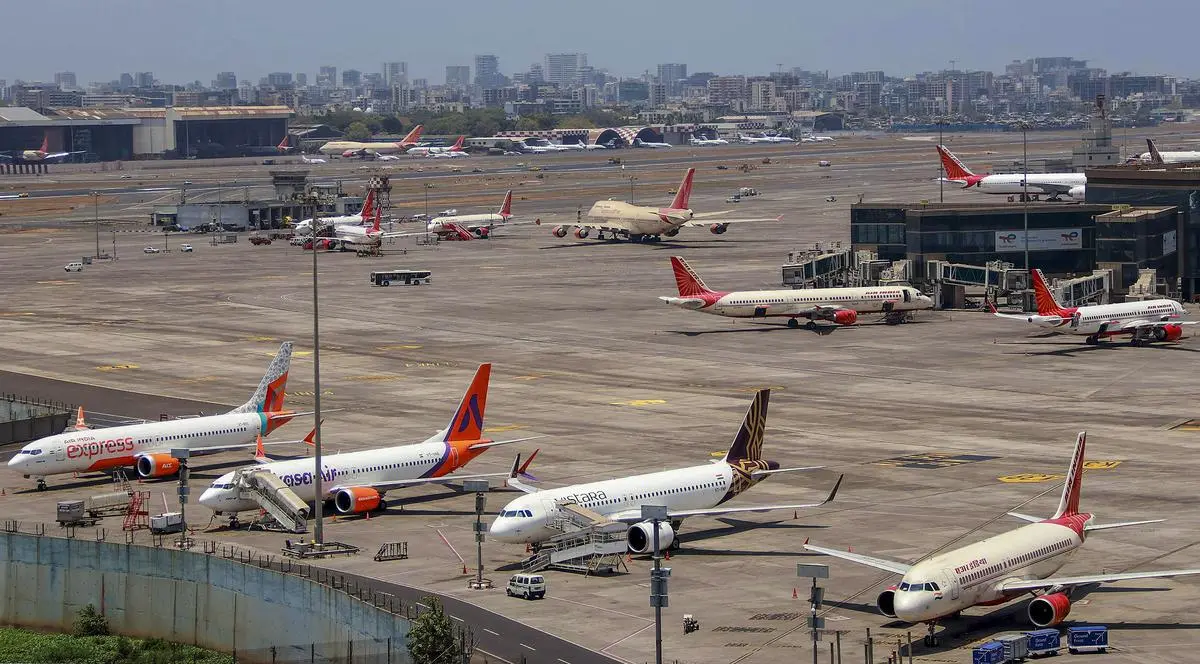
Mumbai’s primary aviation hub will temporarily suspend operations on both of its runways for six hours this week as part of an annual monsoon preparedness programme, underlining the growing importance of climate-resilient infrastructure maintenance in one of India’s busiest transport networks. The scheduled shutdown at Chhatrapati Shivaji Maharaj International Airport is aimed at carrying out pre-monsoon inspections and engineering work designed to strengthen runway safety before the arrival of heavy seasonal rainfall. The maintenance exercise will affect airside operations during daytime hours, requiring airlines to revise schedules and manage aircraft movement in advance.
Airport authorities indicated that the temporary closure forms part of a wider contingency strategy developed in coordination with airlines, aviation regulators and operational stakeholders months before the monsoon season. The annual process is considered critical for maintaining safe aircraft operations during periods of intense rainfall, reduced visibility and high surface water accumulation that frequently affect Mumbai’s coastal environment. The Mumbai airport runway closure will involve inspections across more than 1,000 acres of operational infrastructure, including runway surfaces, lighting systems, drainage networks and navigational equipment. Aviation engineers are expected to assess wear and tear caused by heavy aircraft movement while undertaking preventive repairs intended to minimise operational disruptions during the monsoon months. Specialists working on the exercise will also inspect runway friction levels and remove accumulated rubber deposits left by aircraft landings, a standard aviation safety procedure that improves braking performance during wet weather conditions. Additional work includes testing thousands of aeronautical ground lights and verifying the functionality of critical navigation systems used during low-visibility operations.
Urban infrastructure experts say airports in climate-sensitive coastal cities increasingly require intensive seasonal maintenance as extreme weather events become more frequent and unpredictable. Mumbai, which experiences some of the country’s heaviest monsoon rainfall, faces recurring challenges linked to flooding, drainage pressure and operational delays across transport infrastructure. The Mumbai airport runway closure also highlights the balancing act between infrastructure resilience and operational continuity at high-capacity urban airports. Mumbai’s airport handles substantial passenger and cargo traffic daily, making even short shutdowns logistically complex for airlines, travellers and supply chains connected to the metropolitan economy. Transport analysts note that proactive maintenance planning has become essential as aviation infrastructure ages under growing passenger demand. Delayed repairs or insufficient seasonal preparation can significantly disrupt mobility networks, commercial activity and emergency operations during severe weather periods. The airport’s monsoon readiness programme is part of a broader trend across Indian cities where transport authorities are investing in preventive infrastructure management rather than reactive emergency responses. Experts argue that long-term climate adaptation strategies will increasingly shape how airports, metro systems, highways and ports are designed and maintained.
While flight schedules are expected to normalise after the maintenance window concludes, the exercise reflects the wider pressures facing urban infrastructure systems in rapidly expanding metropolitan regions vulnerable to climate volatility and extreme rainfall patterns.