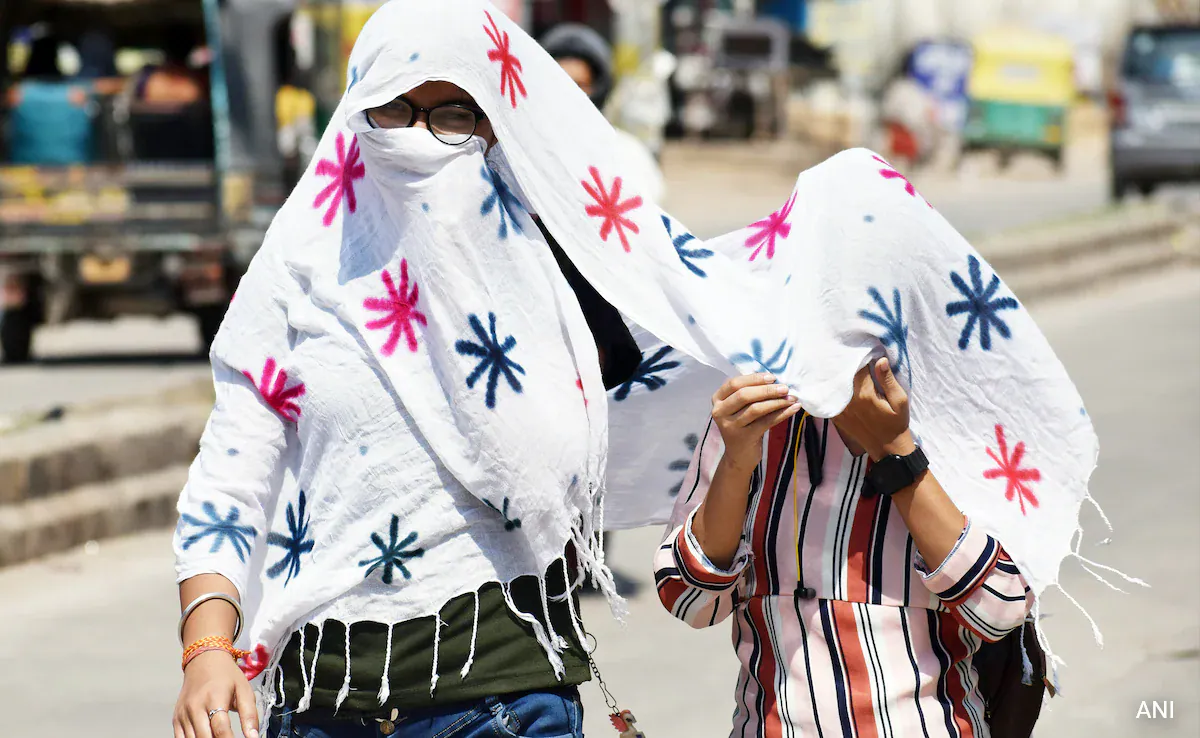
Mumbai and neighbouring districts are expected to remain under hot and humid conditions until May 9, prompting authorities to issue a yellow alert across parts of the Mumbai Metropolitan Region. The weather advisory arrives at a critical pre-monsoon period when rising temperatures, moisture-heavy air and uneven rainfall patterns are increasingly exposing vulnerabilities in urban infrastructure, public health systems and civic preparedness. The India Meteorological Department has forecast persistent humidity and daytime heat across Mumbai, Thane, Raigad and adjoining coastal areas, with temperatures hovering near 35 degrees Celsius in several locations. While isolated showers and thunderstorms are likely in parts of Maharashtra later this week, the Mumbai region is expected to experience prolonged discomfort driven by high moisture levels and limited wind circulation.
Urban climate specialists say the current weather pattern reflects a broader shift in coastal climate behaviour, where cities are facing more frequent heat stress events before the arrival of the monsoon. In dense metropolitan regions such as Mumbai, hot and humid conditions can intensify pressure on electricity demand, water consumption and transport systems while disproportionately affecting outdoor workers, senior citizens and residents in poorly ventilated housing clusters. The yellow alert has also renewed attention on the urban heat island effect across the Mumbai Metropolitan Region. Large expanses of concrete surfaces, declining tree cover and expanding built-up zones have contributed to higher retained heat during evenings, reducing night-time cooling and increasing health risks. Public health experts note that humidity can worsen fatigue, dehydration and respiratory discomfort, especially in areas with limited access to cooling infrastructure. Beyond Mumbai, several districts in western Maharashtra and Marathwada are expected to witness thunderstorms, lightning activity and gusty winds over the coming days. Pune, Satara, Kolhapur and Solapur may receive light to moderate rainfall accompanied by wind speeds reaching up to 50 kmph in isolated areas.
Similar weather instability has been forecast across parts of Vidarbha, including Nagpur and Chandrapur, where thunderstorms may disrupt local mobility and agricultural activity. Urban planners believe the changing weather pattern underlines the need for more climate-responsive city planning. Experts point out that rising humidity combined with erratic rainfall creates operational challenges for drainage systems, transport corridors and emergency response networks ahead of the monsoon season. Several civic agencies across Maharashtra have already initiated pre-monsoon inspections, flood preparedness measures and infrastructure audits in anticipation of weather-related disruptions. The ongoing hot and humid conditions are also likely to increase dependence on energy-intensive cooling systems, raising concerns around peak electricity demand in urban centres.
Sustainability researchers argue that long-term adaptation will require more shaded public spaces, reflective building materials, expanded urban green cover and decentralised climate-resilient infrastructure. With weather volatility becoming more frequent across Maharashtra, the coming weeks are expected to test how effectively cities balance rapid urban growth with climate resilience and citizen safety before the full onset of the monsoon.