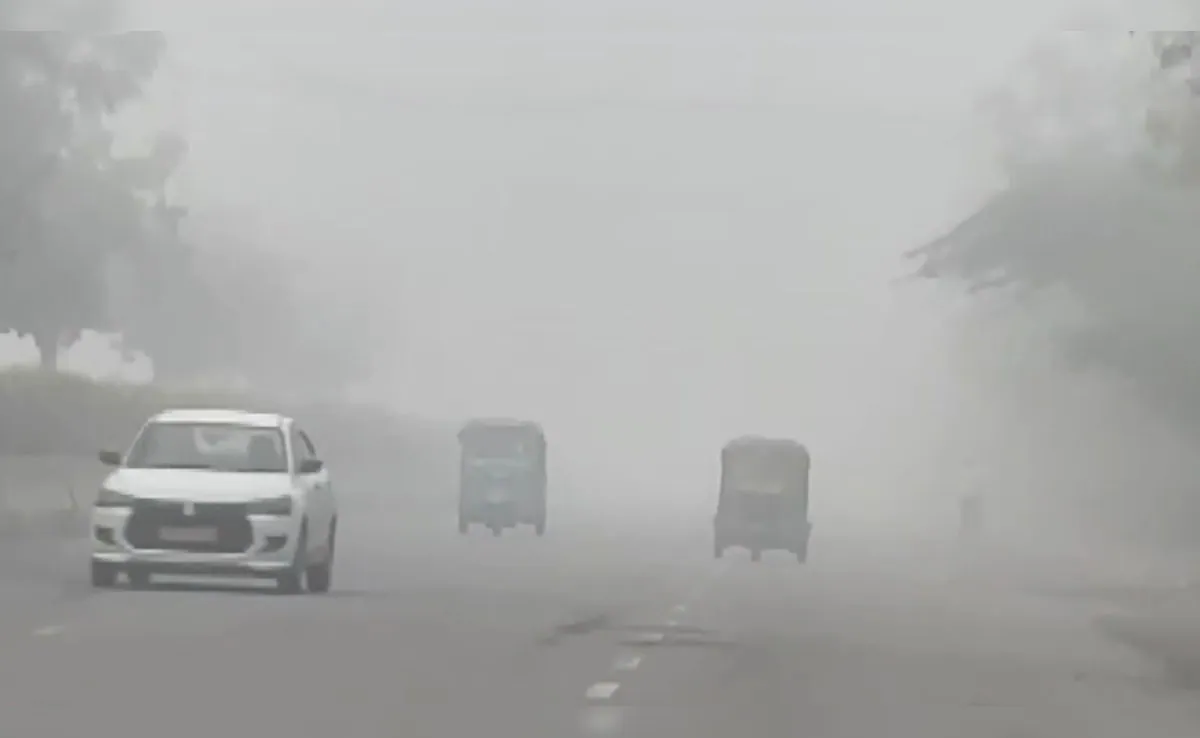
New Delhi: A fresh spell of rain and gusty winds across Delhi-NCR has temporarily eased rising temperatures, offering short-term relief to residents and reducing surface heat across key urban centres. However, weather officials have warned that the cooler conditions are unlikely to last beyond the coming days, with forecasts indicating a renewed rise in temperatures next week.
The unexpected shift in Delhi NCR weather comes at a critical time when cities across northern India are preparing for prolonged summer heat. Early morning conditions on Thursday remained noticeably cooler following overnight showers in several parts of the capital region, including Noida, Gurugram, Ghaziabad and Faridabad. Commuters experienced lower temperatures and improved air movement compared to the intense heat recorded during previous weeks. According to meteorological assessments, intermittent rain activity and cloud cover during the early phase of May have slowed the rapid build-up of heat in the region. Wind speeds are expected to remain elevated through the day, while isolated pockets may continue to witness light rainfall and thunderstorms. Urban climate experts note that such short-duration weather events provide temporary thermal relief but do little to alter the broader warming pattern affecting large metropolitan regions.
Data trends from recent weeks show that Delhi recorded multiple rainy days in April, which helped keep daytime temperatures below seasonal averages for a limited period. However, temperatures began climbing steadily during the second half of the month, with several areas crossing the 40-degree Celsius mark. Weather analysts now expect maximum temperatures to rise gradually again as western disturbances weaken over north India. The latest Delhi NCR weather pattern also highlights growing concerns around urban heat resilience. Dense construction, limited tree cover and high vehicular emissions continue to intensify heat retention across rapidly expanding NCR cities. Urban planners have increasingly pointed to the need for climate-sensitive infrastructure, including shaded public spaces, heat-resistant building materials and improved green cover, particularly in high-density residential and commercial zones.
For residents, the current cool spell has improved outdoor conditions and lowered discomfort during early morning and late evening hours. Yet health experts caution that the return of dry heat and possible heatwave conditions next week could once again place pressure on vulnerable populations, including outdoor workers, elderly citizens and low-income communities with limited cooling access. Authorities are expected to continue monitoring temperature fluctuations as cities prepare for peak summer demand on power and water infrastructure. With climate variability becoming more frequent, experts argue that seasonal weather events should be treated not merely as temporary relief episodes but as reminders of the urgent need for long-term urban climate adaptation strategies.