Gurugram Sinkhole Raises Questions On Sewer Neglect
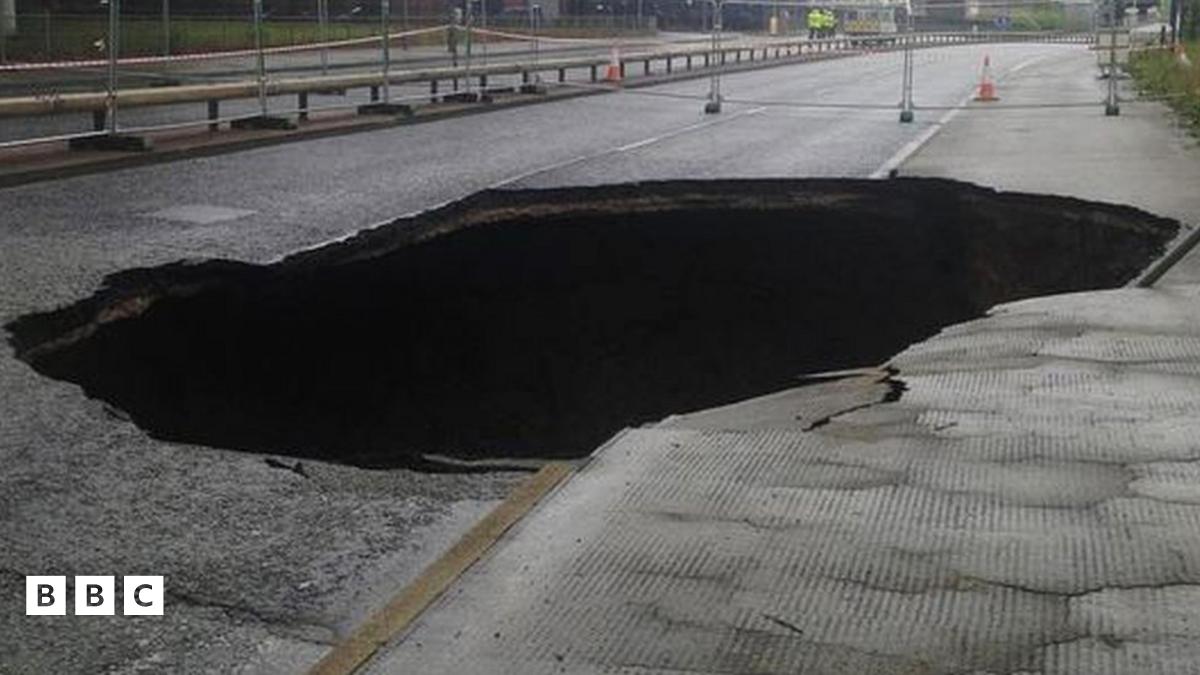
A fresh sinkhole on the Gurugram-Sohna elevated corridor has once again disrupted traffic movement in one of the National Capital Region’s fastest-growing urban stretches, intensifying concerns over ageing underground infrastructure beneath rapidly expanding road networks. The collapse near Subhash Chowk on Wednesday forced authorities to barricade sections of the carriageway, slowing vehicular movement and raising fresh questions about long-pending sewer rehabilitation works. The latest cave-in marks the third major structural failure reported along the corridor in nearly three years. Urban planners and infrastructure experts say the recurring incidents highlight a deeper governance challenge — the mismatch between accelerated highway expansion and the maintenance of buried civic utilities that support dense urban growth.
According to officials familiar with the matter, the repeated collapses are linked to a deteriorating master sewer line running below the elevated route. The pipeline, part of the city’s older wastewater network, has reportedly suffered structural weakening over time, causing the road surface above to sink during periods of stress and water infiltration. The Gurugram sinkhole incident has revived debate over infrastructure planning practices in rapidly urbanising NCR cities, where large-scale road construction often advances faster than underground utility upgrades. Residents in nearby sectors said similar depressions had appeared earlier on the same stretch, with temporary repairs failing to provide long-term stability. Experts tracking urban infrastructure say the issue reflects a broader national challenge. Several Indian cities continue to operate with ageing sewer and drainage systems originally designed for significantly smaller populations. As traffic density, construction loads, and stormwater pressures increase, weak underground assets are emerging as major urban safety risks.
Public agencies had earlier proposed rehabilitation of the damaged sewer network using trenchless repair technology aimed at strengthening the internal pipeline structure without extensive excavation. However, officials acknowledged that while certain manholes were reinforced, full-scale restoration of the main sewer line remained incomplete amid shifting administrative responsibilities and changing project scopes. The repeated collapse on the Gurugram-Sohna route also carries economic implications. The corridor serves as a critical commuter and logistics link connecting residential clusters, commercial zones, and emerging real estate developments across southern Gurugram. Frequent disruptions not only affect travel time but also increase maintenance costs and reduce confidence in urban infrastructure reliability.
Urban mobility specialists note that climate variability could further worsen such vulnerabilities. Intense rainfall events, fluctuating groundwater conditions, and expanding impermeable surfaces across NCR cities are placing additional stress on outdated drainage and sewer systems. Without integrated planning, experts warn that road collapses and flooding incidents could become more frequent in high-growth urban regions. For now, repair work and traffic diversions continue near the affected stretch. Civic authorities are expected to reassess the pending sewer rehabilitation plan, while residents and commuters are demanding stronger accountability, routine underground audits, and infrastructure upgrades designed for long-term urban resilience rather than short-term expansion targets.