


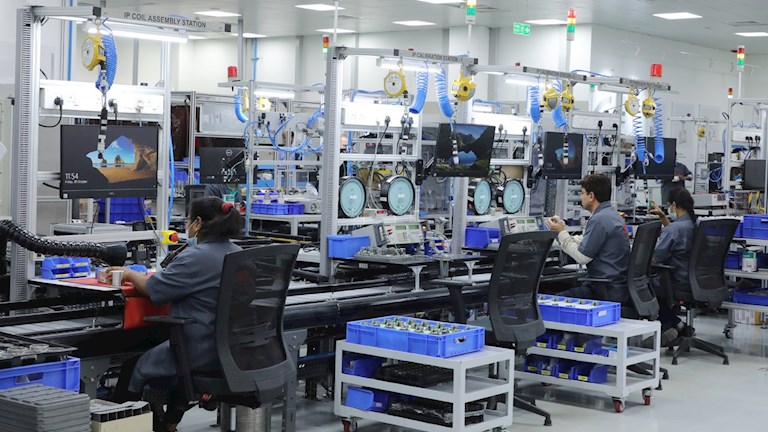
Bengaluru’s position as a technology and innovation hub is set to strengthen with the launch of a smart manufacturing centre aimed at advancing industry 4.0 capabilities. The initiative reflects a broader push to integrate digital technologies into manufacturing, supporting India’s transition towards high-value, future-ready industrial systems.
The new facility, established by BITS Pilani, is designed to focus on emerging manufacturing technologies such as automation, data analytics, and intelligent production systems. By creating a collaborative space for research, training, and industry engagement, the centre aims to bridge the gap between academic knowledge and industrial application.Located in Bengaluru, the hub is expected to contribute to the city’s growing ecosystem of advanced technology and engineering innovation.Bengaluru has already established itself as a leader in information technology and startups, and the addition of smart manufacturing capabilities could further diversify its economic base.Industry experts note that the shift towards smart manufacturing is critical for improving productivity, efficiency, and competitiveness.Integrating digital tools into production processes allows for real-time monitoring, predictive maintenance, and optimised resource use—factors that are increasingly important in a globalised manufacturing landscape.The development also has implications for workforce skills.
As manufacturing becomes more technology-driven, there is a growing need for professionals trained in areas such as robotics, artificial intelligence, and data-driven decision-making. Centres like this can play a key role in building a talent pipeline equipped to meet these demands.From an urban and economic perspective, the Bengaluru smart manufacturing centre signals a move towards more knowledge-intensive industrial growth. By fostering innovation and collaboration, such initiatives can attract investment, support startups, and create high-quality employment opportunities.Sustainability considerations are also central to the concept of smart manufacturing.Advanced systems can help reduce energy consumption, minimise waste, and improve overall efficiency, aligning industrial growth with environmental goals. As cities aim to lower their carbon footprint, integrating sustainable practices into manufacturing processes becomes increasingly important.The centre is also expected to encourage partnerships between academia, industry, and government, creating a platform for knowledge exchange and experimentation.Such collaboration is essential for driving innovation and ensuring that technological advancements are effectively translated into real-world applications.As Bengaluru continues to evolve as a multidisciplinary innovation hub, the focus is shifting towards integrating technology across sectors. The establishment of the Bengaluru smart manufacturing centre reflects this transition, positioning the city to play a leading role in shaping the future of manufacturing in India.
Looking ahead, the success of such initiatives will depend on their ability to scale, foster collaboration, and align with broader industrial and sustainability goals. If effectively implemented, they could contribute to building a more resilient, competitive, and environmentally conscious manufacturing ecosystem.
Also Read:Bengaluru SSLC Results Highlight School Performance Trends
