


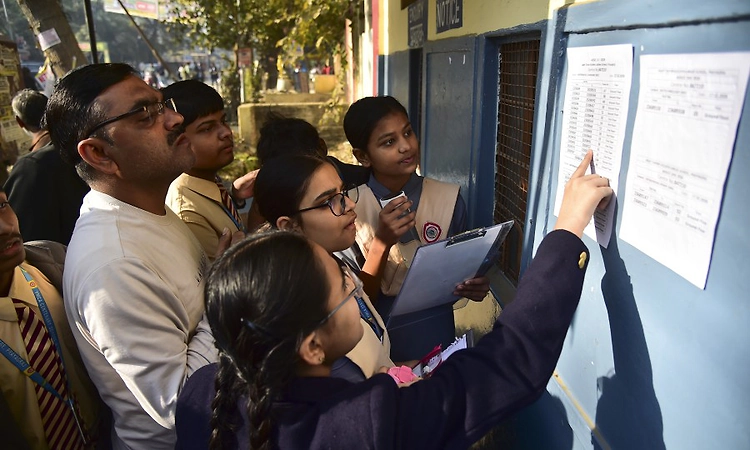
School students in Bengaluru have delivered strong performances in the latest SSLC examinations, drawing attention to evolving learning environments and the role of institutional support in shaping academic outcomes. The results offer insights into how urban education systems are adapting to changing expectations and competitive pressures.
Several schools associated with the Newspaper in Education programme have reported high pass percentages and consistent academic results. Educators attribute this performance to structured learning approaches, regular assessments, and exposure to current affairs-based content that complements the formal curriculum.In Bengaluru, where educational institutions operate within a highly competitive ecosystem, academic outcomes are increasingly linked to broader factors such as access to resources, teaching quality, and student engagement. Schools that integrate interactive learning methods and critical thinking exercises tend to see stronger performance trends over time.The results also highlight the importance of holistic education models. Beyond exam scores, educators emphasise the role of extracurricular exposure, digital literacy, and real-world awareness in preparing students for future challenges. Such approaches are becoming more relevant as students transition into higher education and skill-based career pathways.
Urban education experts note that consistent academic performance in cities like Bengaluru reflects both opportunity and disparity. While many schools benefit from better infrastructure and access to learning tools, gaps remain between institutions in different socio-economic settings. Bridging these gaps is essential to ensure equitable access to quality education.The strong showing in SSLC results also has implications for the city’s future workforce. As Bengaluru continues to grow as a technology and innovation hub, the quality of its school education system plays a crucial role in shaping the talent pipeline. Early academic success can influence higher education opportunities and long-term career outcomes.From a policy perspective, the focus is increasingly on improving foundational learning while integrating modern teaching practices. Digital platforms, experiential learning, and curriculum reforms are being seen as key drivers of better outcomes.However, ensuring that these benefits reach all sections of society remains a challenge.The performance of students also underscores the resilience of the education system in adapting to disruptions and evolving demands. Schools have been gradually incorporating blended learning methods and personalised teaching strategies to support diverse student needs.
As Bengaluru’s education landscape continues to evolve, the emphasis is likely to remain on balancing academic excellence with inclusivity and skill development.Sustaining strong outcomes will depend on continued investment in teaching quality, infrastructure, and student-centric approaches.
Also Read:Bengaluru Studies Hyderabad Flyover Model For Traffic
