


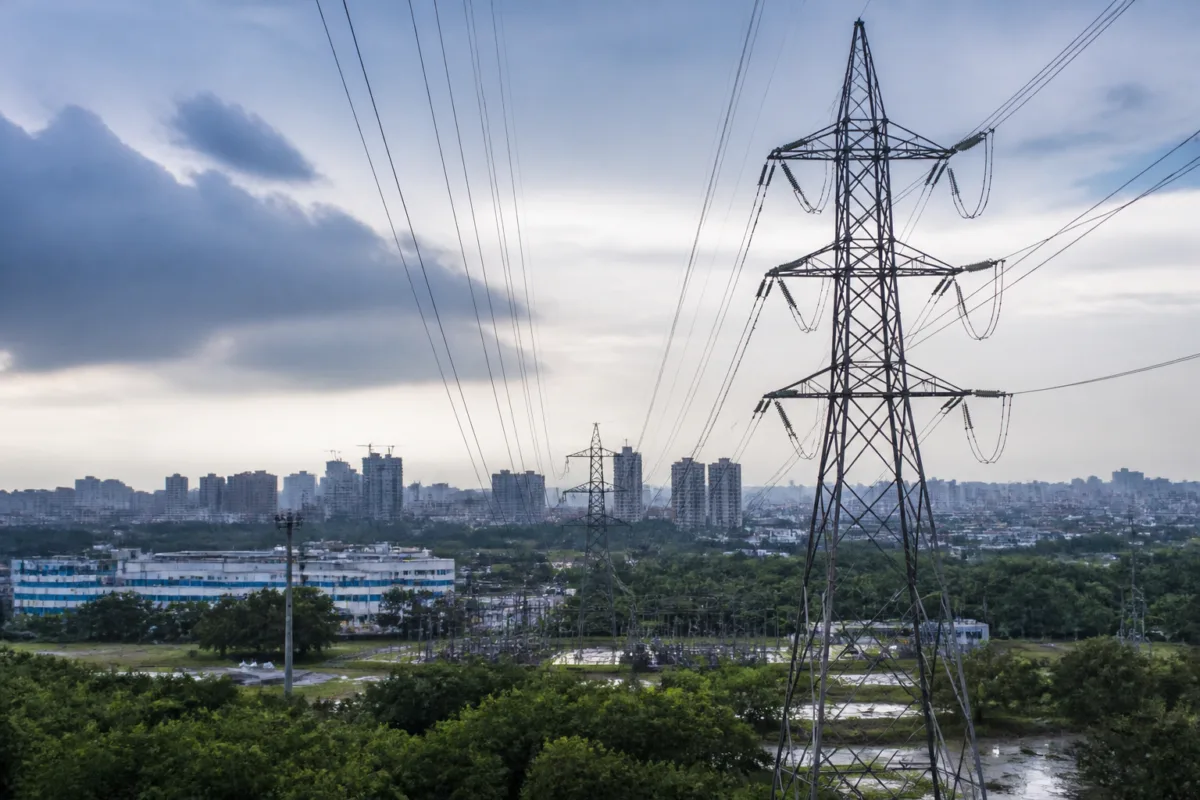
Telangana’s peak power demand fell to 14,546 MW on November 1, nearly 5,500 MW below the state’s record of 20,018 MW recorded on October 16, as rainfall and cooler weather eased pressure on power utilities and reduced the need for costly market purchases.
The decline followed a steady reduction in peak demand from 20,018 MW on October 16 to 18,216 MW on October 23, 17,636 MW on October 24 and 15,138 MW on October 29. Demand fell further to 14,546 MW on November 1 before rising slightly to 14,696 MW on November 2, according to data reported by Deccan Chronicle.
Daily electricity consumption also dropped from a record 337.80 million units on October 16 to 270.41 million units on November 2, a reduction of 67.39 million units. The lower demand has reduced the state’s dependence on high-cost power purchases used to bridge the gap between supply and consumption during September and October.
Higher temperatures during that period, associated in the report with El Nino conditions, had pushed electricity consumption to record levels. Rainfall linked to cyclonic activity and cooler temperatures subsequently brought relief to the power supply system and utility finances.
Agriculture remained the largest single consumer of electricity, accounting for nearly 40 per cent of total consumption. More than 30 lakh agricultural pump-set connections together drew around 7,000 MW of power daily. Despite the seasonal fall in overall demand, farmers continued to depend on borewells for irrigation.
The state’s irrigation-related electricity requirement has been influenced by the area and crop mix under cultivation during the current Kharif season. Farmers cultivated more than 1.25 crore acres, including 56.8 lakh acres of paddy, 5.93 lakh acres of maize and around 35,000 acres of jowar. Cotton covered 46.34 lakh acres, while pulses occupied 7.98 lakh acres, soybean 3.67 lakh acres and sugarcane 38,000 acres.
The spread of water-intensive crops and inadequate rainfall in several areas increased dependence on groundwater and electricity-powered irrigation. This has kept agricultural consumption substantial even as weather conditions reduced cooling-related demand elsewhere in the state.
Hyderabad was another major contributor to Telangana’s electricity load. The city’s peak demand touched 4,782 MW in October, while peak demand in the wider Hyderabad Core Urban Region crossed 12,000 MW. Urban and industrial areas accounted for a substantial share of this consumption.
Industrial units, cement plants and other major industries contributed nearly 35 per cent of relatively stable demand. High-voltage consumers also included commercial complexes, information technology parks, shopping malls, multiplexes and star hotels. The Hyderabad Metro Rail system was among the other significant electricity consumers identified in the report.
The recent fall in demand has therefore provided immediate financial and operational relief to power utilities, particularly by lowering the requirement for expensive short-term purchases. However, agricultural pump sets, industrial loads and Hyderabad’s large urban consumption base continue to shape the state’s power-management requirements.

