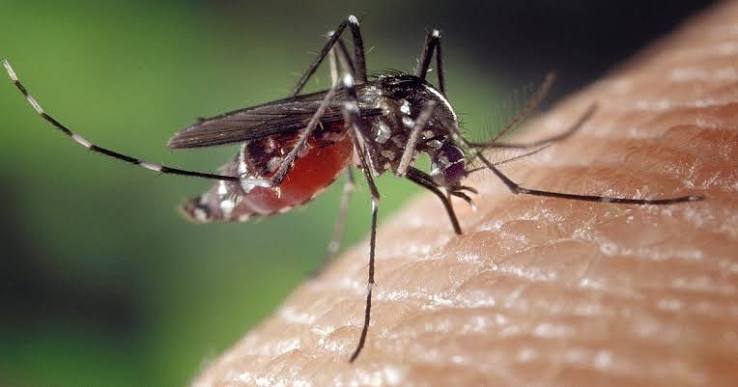
Pune, August 28: A rise in dengue and chikungunya infections has put pressure on Pune’s mosquito-control system, with the civic administration moving to recruit 265 contractual workers. The move highlights a wider challenge for a rapidly expanding city: preventive public-health operations need sufficient field staff before seasonal disease risks intensify, rather than responding only after case numbers begin climbing.
Data from the Pune Municipal Corporation (PMC) show 1,081 suspected dengue cases recorded this year, including 46 confirmed cases. August has emerged as the most active month so far, with 410 suspected cases and 20 confirmed infections, compared with 323 suspected and 12 confirmed cases in July. Chikungunya has also been reported, with 15 cases recorded this year and eight coming in August. One malaria case has been reported during the same period. While confirmed numbers remain lower than suspected dengue cases, the upward movement during the monsoon places greater demands on surveillance, sanitation and mosquito-breeding control. The PMC already has 150 permanent workers assigned to mosquito-control operations. However, officials have proposed adding 265 contractual personnel to address the staffing gap. The additional workforce is expected to strengthen inspections, identify breeding locations and support targeted interventions in neighbourhoods reporting higher case loads.
The timing has raised questions about preparedness. Municipal authorities are now being asked to prioritise recruitment and deploy new workers according to disease patterns rather than distributing resources uniformly across the city. For Pune, this approach could make mosquito control more responsive, particularly in dense residential areas and locations where stagnant water creates favourable breeding conditions. The civic body has continued enforcement against premises where breeding sites are detected. This year, officials have issued 1,708 notices and collected about ₹2.65 lakh in penalties. Yet enforcement alone cannot prevent transmission if inspections are irregular or breeding sites reappear between visits. Urban health specialists note that effective mosquito control depends on a combination of surveillance, source reduction, sanitation and rapid field response. Removing standing water before mosquitoes mature is generally more useful than relying heavily on spraying after infections have already increased.
The civic administration has now been asked to map dengue and chikungunya hotspots and conduct focused drives in those areas. Measures include intensified surveillance, destruction of breeding sites and spraying where necessary, alongside closer monitoring by senior officials. For a growing city, the immediate test will be whether the additional workforce can be deployed quickly and sustained through the remaining disease season. Longer term, Pune’s public-health planning will need to connect staffing, drainage, waste management and neighbourhood-level monitoring so that seasonal mosquito risks are addressed as part of everyday urban infrastructure management.