


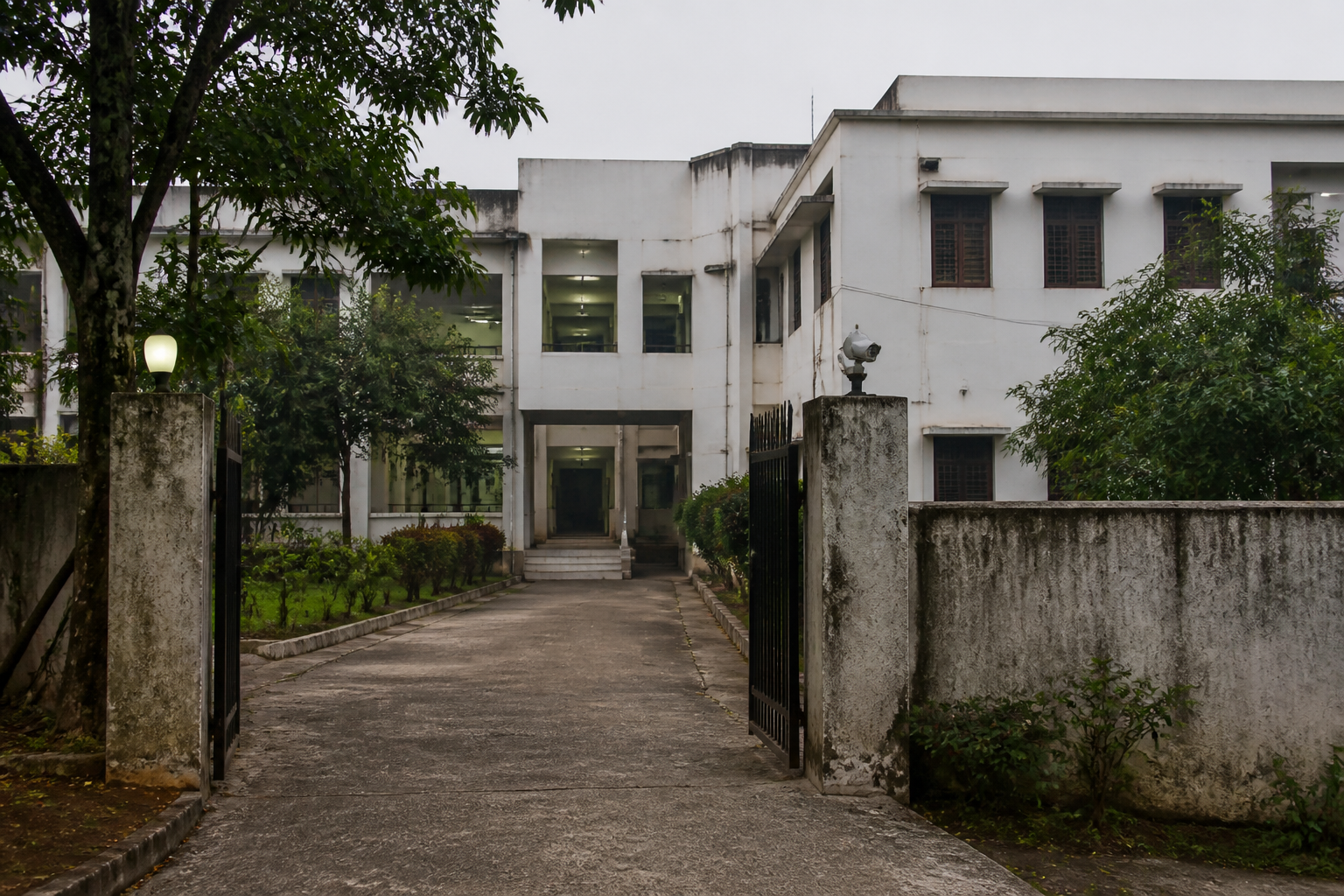
The hair-cutting incident involving 10 Class IX students at a Kasturba Gandhi Balika Vidyalaya (KGBV) in Bheemunipatnam, near Visakhapatnam, has moved beyond an unusual hostel episode to a wider question of how residential schools protect girls when they are asleep and away from their families. The reported facts are limited but serious: students in two rooms found parts of their hair cut after waking on the night of September 16, and the police are questioning students and collecting evidence.
According to Deccan Chronicle, former minister and Bheemili MLA Ganta Srinivasa Rao said a comprehensive inquiry had been initiated. The MLA said there was no possibility of an outsider entering the campus, while also suggesting that examination of hostel CCTV footage could reveal more facts. That combination of claims places the focus on the institution’s internal security arrangements, the reliability of its access controls and the quality of the evidence now being gathered.
The reported numbers give the incident a defined institutional setting. More than 38 Class IX students were staying at the Bheemunipatnam KGBV, divided between two rooms. Six of the 20 students in one room and four of the 18 students in the other found that their hair had been cut. The girls informed hostel staff, who passed the information to higher officials.
Those details establish the scale of the reported incident, but they do not yet establish how it occurred. The available report does not say whether the rooms were locked, whether staff were posted nearby, whether CCTV cameras covered the relevant corridors or entrances, or whether footage had been preserved and examined. It also does not identify a suspect or state whether the police have confirmed that the hair-cutting took place in the rooms during the night. These are not minor procedural details. They are central to determining whether the problem involved an unauthorised entry, an internal breach of supervision, a prank, coercion or another explanation.
The KGBV model makes those questions particularly important. These schools are residential institutions intended to provide education and accommodation for girls, including students who may require a state-supported hostel to attend school. Unlike a day school, a residential campus assumes responsibility for students beyond classroom hours. Supervision, night attendance, visitor control, room allocation, emergency reporting and safeguarding therefore form part of the educational infrastructure, not an administrative layer separate from it.
In this case, the reported incident occurred after the students had gone to sleep. The fact that students in both rooms were affected means the inquiry will need to reconstruct the sequence of events across the two spaces rather than treat the matter as an isolated complaint by one student. The police were reported to be speaking to the girls and gathering evidence. Their account of the students’ statements, the physical evidence and any CCTV footage will determine whether the initial understanding of the event changes.
The reported reference to outsiders is also significant because it frames the investigation around campus access. If an outsider could not enter, investigators would have to examine how movement within the hostel was monitored and whether authorised personnel had access during the relevant hours. If the CCTV system exists but does not cover sleeping areas or the routes leading to them, the presence of cameras may offer less protection than the label of CCTV suggests. If footage was unavailable, overwritten or not functioning, that would point to a different institutional weakness. The supplied report does not resolve any of these questions.
This is where residential-school safety differs from the general idea of installing security equipment. A camera can record movement, but it cannot replace trained wardens, documented night rounds, controlled access and a clear response protocol. Conversely, staff supervision without records or independent review can make it difficult to establish what happened after an incident. A functioning safeguarding system depends on these measures working together and on students being able to report concerns without fear of dismissal or retaliation.
The first institutional response, as reported, was that the girls informed hostel staff and the information was passed to higher officials. That reporting chain matters. It shows that the incident reached the administrative system, but the available material does not specify when senior officials, the police or the education department were informed. It also does not state whether parents or guardians were notified, whether the affected students received counselling or whether additional protection was arranged at the hostel.
Those omissions should not be filled with assumptions. They are questions for the inquiry and for the authorities responsible for the KGBV. A credible investigation would need to preserve the students’ privacy while establishing a clear chronology: when the girls went to sleep, when the incident was discovered, who was on duty, who entered or left the relevant areas, when staff were alerted and what physical or digital evidence was available. It would also need to record the students’ accounts sensitively, without turning them into a spectacle.
The incident also exposes a familiar accountability problem in public institutions: responsibility is distributed across the local school, hostel staff, district officials, police and elected representatives. That can help mobilise a response, but it can also make it unclear who is answerable for daily safety. The MLA’s statement confirms that police were investigating, while the report also refers to higher officials receiving the hostel staff’s communication. The supplied material does not identify the department leading the administrative inquiry or state whether any staff member has been suspended, reassigned or formally questioned.
That distinction between a police investigation and an administrative inquiry is important. Police evidence may establish whether an offence occurred and who was responsible. An administrative review should examine whether the institution followed its own safeguarding and supervision procedures, regardless of whether a criminal case is ultimately made out. It should ask whether the hostel had adequate staffing, whether night supervision was documented, whether access rules were enforced and whether previous complaints or warning signs existed. No such findings have been reported so far.
The available numbers also show why the episode cannot be dismissed as a private dispute. Ten students across two rooms were reported to have discovered that their hair had been cut. The affected students were part of a larger cohort of more than 38 Class IX residents. A residential school’s safety performance is measured not only by the number of students directly affected but also by whether the institution can reassure every resident that the same vulnerability will not recur.
At present, the evidence supports a narrower conclusion: an incident was reported at the Bheemunipatnam KGBV, the affected students informed staff, and police were questioning them while evidence was being collected. The report does not establish the identity of the person who cut the hair, the motive, the precise method used or whether an outsider entered the campus. Those facts must remain open until the inquiry produces verifiable findings.
The next step is therefore not a speculative explanation but a transparent account of the investigation. Authorities need to clarify whether CCTV footage was available and examined, how the students were protected during the inquiry, which official body is responsible for the administrative review and what corrective measures, if any, have been ordered. Until those questions are answered, the incident remains both a police matter and a test of the safeguards that residential schools are expected to provide.
