


Mumbai malaria cases have risen sharply this year, while H1N1 infections have increased more than sixfold compared with the same period in 2025, according to a Brihanmumbai Municipal Corporation report issued on September 18. The data covers cases recorded between January 1 and September 15, 2026, and comes as the city continues its monsoon health-control measures during the Ganeshotsav period.
The BMC’s public health department recorded 8,723 malaria cases up to September 15, compared with 6,277 cases during the corresponding period last year. H1N1 cases rose from 83 to 507 over the same period.
The comparative report, issued by the civic body’s Epidemic Control Cell, also shows that several other monsoon-linked illnesses declined year on year. Dengue cases fell marginally to 2,656 from 2,724, while chikungunya cases dropped sharply from 542 to 80.
Leptospirosis cases declined from 558 to 390, and gastroenteritis cases fell from 5,989 to 4,997. Reported COVID-19 cases also decreased substantially, from 1,118 during the comparable period last year to 178 this year.
The figures reflect reported cases recorded by the civic health system and do not, by themselves, establish the reasons for the changes across individual diseases. Malaria and dengue are mosquito-borne illnesses, while H1N1 is a respiratory infection, making the trends relevant to different parts of the city’s seasonal public-health response.
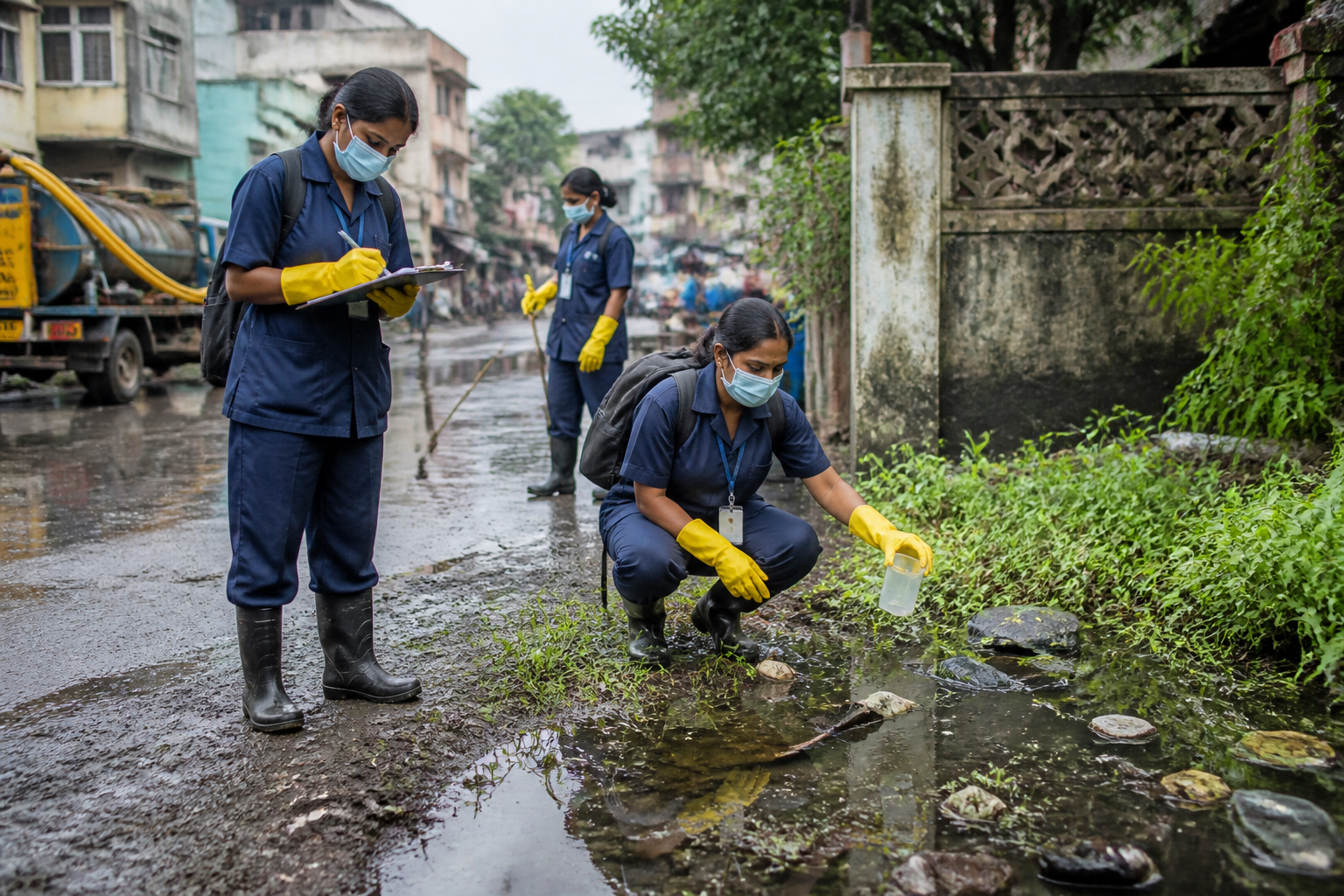
The increase in malaria has kept mosquito control at the centre of the BMC’s current measures. The civic administration is conducting special cleanliness drives in municipal hospitals and maternity homes through designated staff, with the stated objective of preventing mosquito breeding and eliminating breeding sites.
The BMC has also launched public-awareness activities across its administrative areas ahead of and during Ganeshotsav. Information, education and communication posters have been distributed to Ganesh mandals, while jingles focused on malaria and dengue prevention are being broadcast.
The civic health department’s campaign places community venues and public messaging alongside routine disease surveillance and source-control work. The report does not provide a ward-wise breakdown of the cases, details of individual interventions, or a separate explanation for the year-on-year rise in malaria and H1N1 infections.
The next phase of the response will involve continued awareness activities, cleanliness operations and efforts to remove mosquito-breeding sites in municipal facilities and other areas under the civic body’s monitoring.
