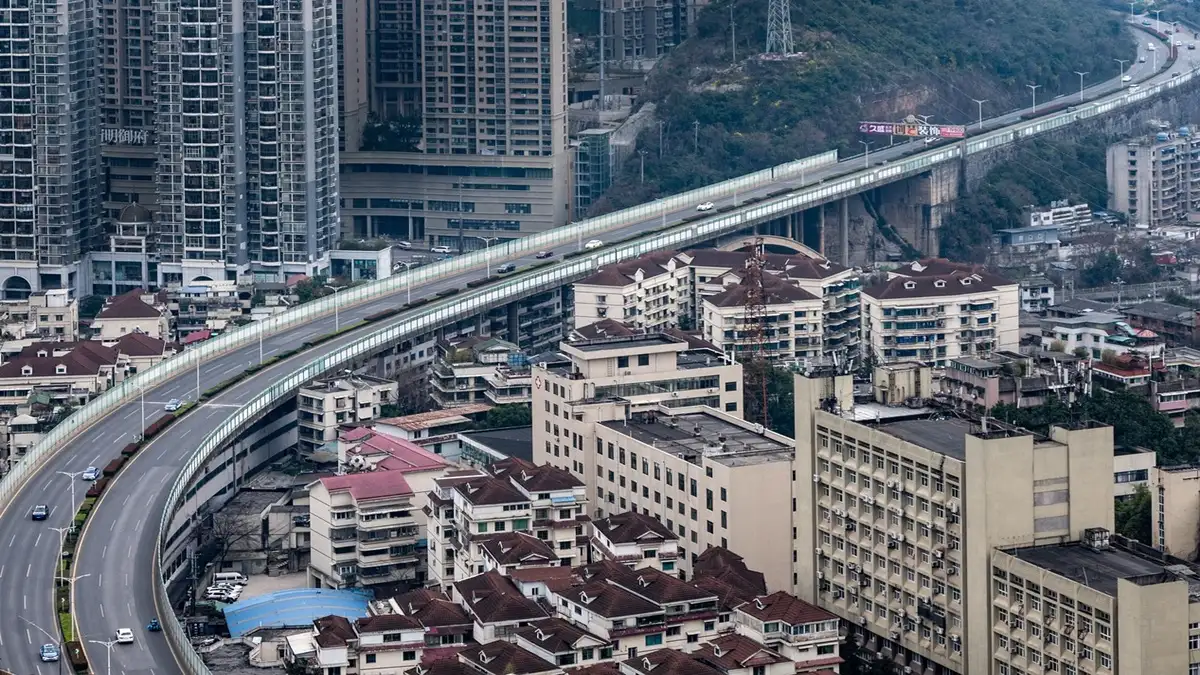
A proposed elevated road corridor in Noida is set to become a key intervention in easing traffic congestion across the eastern edge of the National Capital Region (NCR). The project, linking a major flyover to the Yamuna riverfront zone, is being positioned as part of a broader push to streamline intercity movement between Noida and East Delhi. For daily commuters, this could translate into shorter travel times and more predictable journeys.
According to officials familiar with the plan, the elevated stretch spanning roughly 1.5 kilometres will create a direct connection between an existing arterial flyover and a developing riverside segment near Sector 94. The corridor is also expected to integrate with an under-construction elevated route leading towards Mayur Vihar, effectively creating a continuous, signal-free passage for vehicles moving between Noida and Delhi. Urban planners note that such infrastructure, while aimed at decongesting bottlenecks, reflects a familiar pattern in NCR’s mobility strategy prioritising vehicular throughput. Areas such as Film City and the DND corridor, which frequently experience peak-hour gridlock, could see some relief if traffic is redistributed. However, experts caution that without parallel investments in public transport and non-motorised mobility, the long-term benefits of any Noida elevated road project may be limited.
Preliminary groundwork, including soil testing for structural supports, has already been undertaken, with technical inputs reportedly sourced from academic institutions. Authorities are expected to initiate the contractor selection process in the coming months, signalling a transition from planning to execution. Yet, a portion of the alignment passing through the Yamuna floodplain remains subject to regulatory clearances, particularly from departments overseeing river ecology and irrigation. This raises critical questions about environmental safeguards. The Yamuna’s floodplains are ecologically sensitive and serve as natural buffers against urban flooding an increasing risk in climate-stressed cities. Infrastructure development in such zones demands rigorous impact assessments to ensure that flood resilience is not compromised in pursuit of traffic efficiency.
From an economic standpoint, improved connectivity could enhance real estate activity in surrounding sectors, especially in emerging residential and mixed-use zones. Faster access routes often translate into higher land value, but planners argue that equitable growth must ensure such benefits are not limited to select pockets while leaving informal settlements or peri-urban areas underserved. The larger elevated corridor network, including the linked stretch towards Delhi, is targeted for phased completion by 2027. As construction timelines advance, the project will likely be scrutinised not just for its ability to reduce congestion, but for how well it aligns with a more sustainable and inclusive urban mobility framework.