

Pune Workplace Expansion Tests Sustainable City Planning

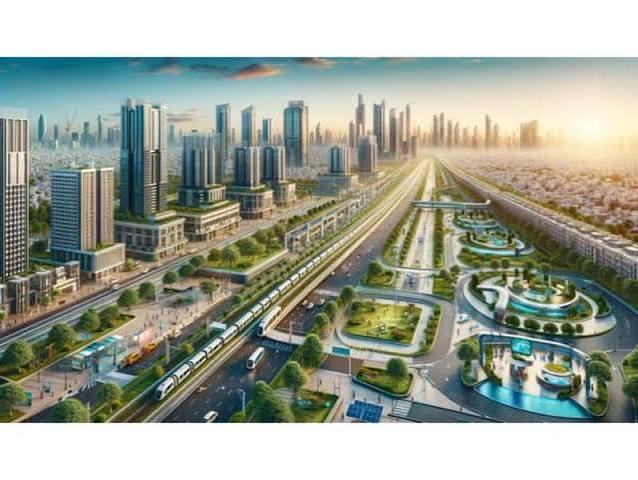
Pune: A major corporate campus planned in Koregaon Park Annexe is set to add a substantial new office district to the city’s eastern growth corridor, with its developers proposing artificial intelligence, connected building systems and renewable energy as core features. At 7.2 million sq ft, the project could reshape local employment, transport demand and the commercial real estate landscape as Pune’s technology and financial-services economy expands.
The project is being developed as the new corporate workplace for Bajaj Finserv. Its foundation was laid on September 4 in the presence of Maharashtra’s chief minister and other state officials. The company says the development will be India’s largest single-location financial-services office and will include a steel tower described as Pune’s tallest. The scale is significant beyond the building itself. A workplace of this size can generate substantial daily movement across surrounding roads and public transport networks. That makes access, pedestrian safety and public transport capacity important parts of the project’s urban impact. If office growth continues to concentrate around major employment clusters, transport planning will need to keep pace rather than allowing additional commercial floor space to translate into longer car commutes.
The proposed campus is also notable for its building-management technology. Artificial intelligence and Internet of Things systems are intended to allow the building to respond to occupancy and environmental conditions. In practical terms, such systems can adjust lighting, cooling and other operations according to real-time demand. Their climate value, however, will depend on actual energy performance rather than the technology label attached to the development. The company has stated that the campus will operate on renewable energy and incorporate biophilic design, which brings vegetation and natural elements into workplaces. Renewable electricity can reduce operational carbon emissions, while landscape design can improve shade and outdoor comfort. The larger sustainability question will be how these measures perform once the campus is occupied at full capacity.
For Pune’s commercial property market, the development points to continued demand for large, technology-intensive workplaces. It could strengthen the city’s position as a financial and technology employment centre while creating demand for supporting services, housing and local commerce. That economic benefit will be more broadly shared if surrounding infrastructure and neighbourhood services grow alongside the office district. Urban planners say large employment campuses should be assessed as pieces of the wider city rather than isolated real estate projects. Water use, heat exposure, stormwater management, waste, public transport and last-mile connectivity will determine much of their long-term urban footprint.

RELATED ARTICLES