


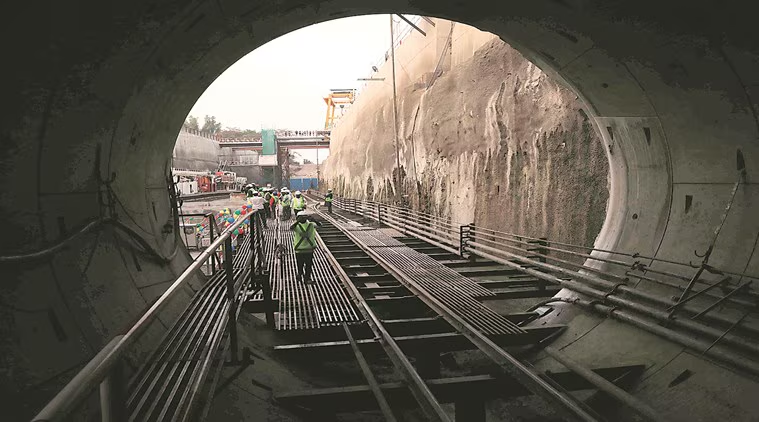
The next phase of the Nagpur Metro project is moving forward with the initiation of a tender for an automated fare collection system, marking a key step in enhancing passenger experience and operational efficiency. The proposed investment, estimated at over ₹150 crore, reflects a growing emphasis on digital infrastructure within urban transit networks. The new system, part of Nagpur Metro Phase 2, is expected to streamline ticketing through contactless and integrated payment solutions.
For commuters, this translates into faster entry and exit at stations, reduced queues, and improved reliability—factors that play a crucial role in encouraging public transport adoption in expanding cities. Urban mobility experts note that fare collection systems are not merely transactional tools but central to how metro networks function. A well-designed system enables seamless multimodal integration, allowing passengers to switch between metro, buses, and other transport modes with minimal friction. In the context of Nagpur’s evolving transit ecosystem, such integration could help reduce reliance on private vehicles and support more sustainable commuting patterns. The Nagpur Metro AFC tender also highlights the increasing role of data in urban transport planning. Automated systems generate real-time insights into passenger flows, peak usage hours, and travel behaviour. These insights can inform decisions on scheduling, capacity planning, and infrastructure upgrades, making the system more responsive to actual demand. However, experts caution that technological upgrades must be accompanied by inclusive design. Digital ticketing solutions can sometimes exclude sections of the population, particularly those with limited access to smartphones or banking services. Ensuring multiple payment options—including smart cards and offline systems—will be essential to maintain accessibility. From an infrastructure perspective, the investment signals a shift towards future-ready transit systems. Modern fare collection technologies often incorporate energy-efficient hardware and centralised control systems, aligning with broader goals of reducing operational costs and environmental impact. As Indian cities scale up metro networks, such considerations are becoming integral to long-term sustainability. The expansion of Nagpur Metro itself is part of a wider strategy to address congestion, improve air quality, and support urban growth. Phase 2 is expected to extend connectivity to new areas, making reliable public transport accessible to a larger population. The success of this expansion will depend not only on physical infrastructure but also on the efficiency of supporting systems like ticketing and station management.
The Nagpur Metro AFC tender represents a foundational step in this direction. By investing in digital and user-centric solutions, the project aims to create a transit experience that is both efficient and inclusive. As the tender process moves ahead, attention will turn to implementation timelines and system integration. For Nagpur, the challenge lies in ensuring that technological investments translate into tangible improvements in mobility—supporting a shift towards cleaner, more resilient urban transport systems.
ALSO READ – Nagpur Heatwave Cases Rise As Temperatures Hit 44
Nagpur Metro Phase Two Advances With Ticketing Tender
