


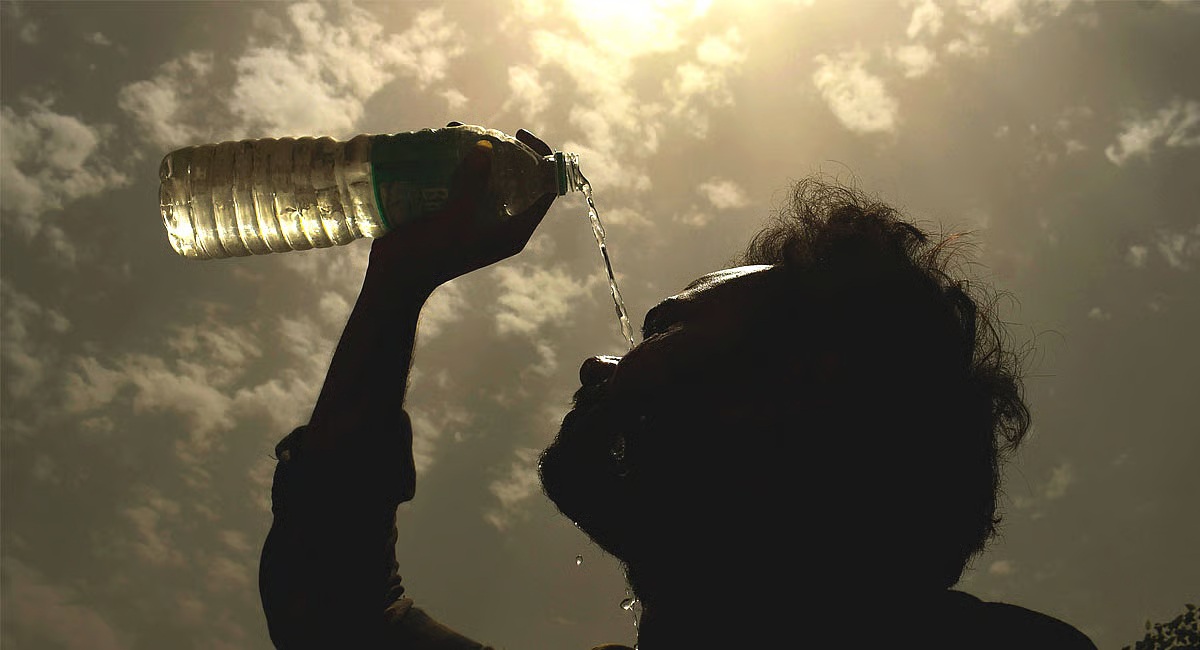
Nagpur is witnessing a sharp rise in heat-related illnesses as temperatures climbed to around 44°C in the past 24 hours, with dozens of residents requiring medical attention. The surge in cases underlines how extreme weather events are increasingly translating into immediate public health emergencies in urban India. Hospitals across the city have reported a noticeable uptick in patients showing symptoms of heatstroke, dehydration, and exhaustion.
The Nagpur heatwave is placing particular strain on vulnerable groups, including outdoor workers, elderly residents, and those living in poorly ventilated housing conditions. Health officials indicate that the number of cases could rise further if high temperatures persist. The current situation reflects a broader pattern of intensifying heat events across central India. Urban experts point to the role of dense construction, limited green cover, and expanding asphalt surfaces in amplifying heat exposure. These conditions contribute to the urban heat island effect, where cities record higher temperatures than surrounding rural areas, increasing the risk of heat-related illnesses. The Nagpur heatwave is also testing the preparedness of healthcare systems. While hospitals are managing the current influx, experts caution that sustained heatwaves can overwhelm facilities, especially if combined with water shortages or power disruptions. Access to timely medical care remains uneven, particularly for low-income communities who may delay seeking treatment due to cost or distance. Beyond healthcare, the economic impact of extreme heat is becoming more visible. Reduced outdoor work hours, declining productivity, and disruptions to daily routines are affecting sectors ranging from construction to informal services. Urban economists note that heat stress is increasingly being recognised as a factor influencing city-level economic performance. Infrastructure challenges are equally evident. Prolonged high temperatures can strain electricity grids due to increased cooling demand, while also impacting water supply systems. In many parts of the city, residents rely on intermittent water access, which becomes more critical during heatwaves when hydration needs rise. Urban planners argue that addressing such challenges requires long-term strategies rather than reactive measures. Expanding tree cover, improving building design for natural cooling, and creating shaded public spaces can help reduce heat exposure. At the same time, early warning systems and public awareness campaigns are essential to minimise health risks during extreme weather events.
The Nagpur heatwave highlights the urgent need for cities to adapt to changing climate realities. As temperatures continue to rise, integrating heat resilience into urban planning, healthcare systems, and infrastructure development will be critical to protecting both lives and livelihoods. Looking ahead, the focus will be on strengthening preparedness frameworks so that cities can respond effectively without repeated disruptions to daily life.
ALSO READ – Nagpur Visit Focuses On Technology And Care Balance
Nagpur Heatwave Cases Rise As Temperatures Hit 44
