


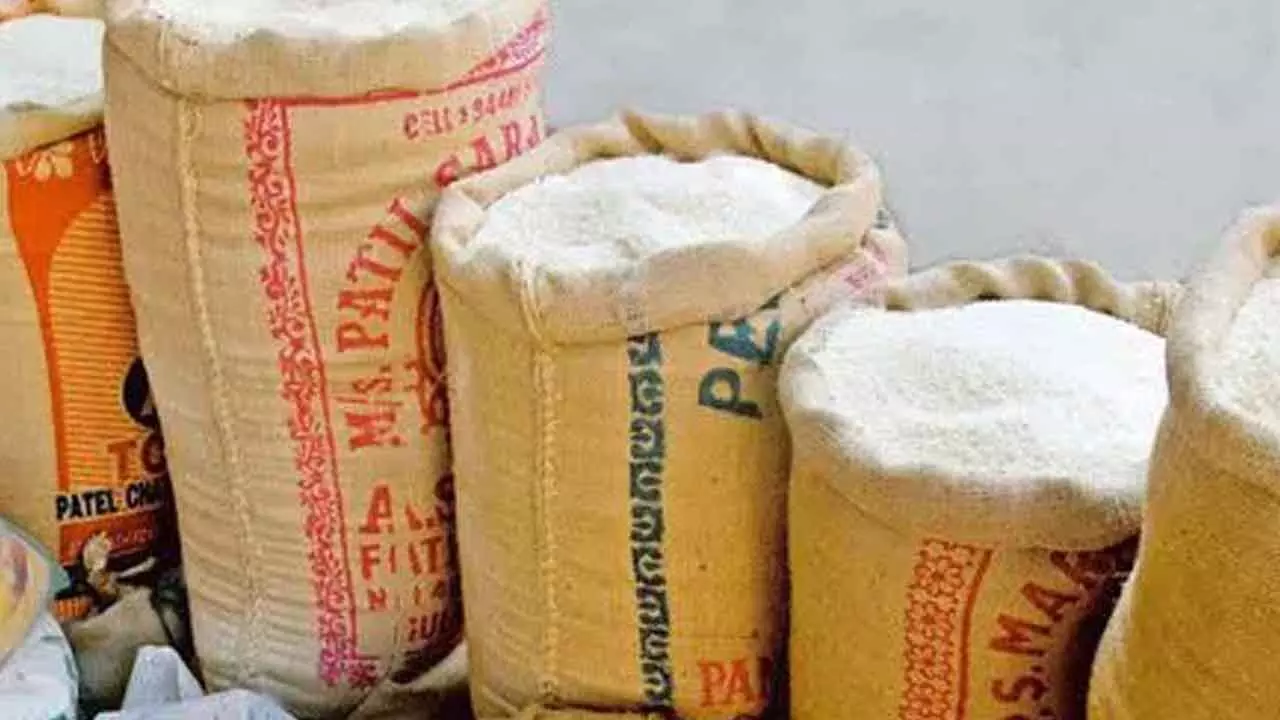
A sudden suspension of import licences by China for three Indian rice exporters has disrupted trade flows, with ripple effects reaching logistics networks and agro-linked economies in central India. The decision, reportedly linked to concerns over genetically modified content, has introduced fresh uncertainty into an already sensitive export segment. For regions like Nagpur, which act as key aggregation and transit hubs for agricultural commodities, the India rice export dispute is more than a bilateral trade issue.
It directly affects supply chains that connect farmers, processors, storage facilities, and transport operators. Export-oriented businesses are now reassessing shipments, contracts, and compliance protocols as they navigate the disruption. Industry observers note that such actions expose vulnerabilities in global agricultural trade, particularly around regulatory alignment and quality standards. While India does not officially permit the commercial cultivation of genetically modified rice, even the perception of contamination can trigger strict responses from importing countries. This creates challenges for exporters who must ensure traceability and certification across complex supply chains. The economic implications extend beyond exporters. Reduced outbound shipments can impact mandi prices, farmer incomes, and logistics demand. In urban centres like Nagpur, where warehousing, freight handling, and rail connectivity play a significant role in regional economies, fluctuations in export volumes can affect employment and revenue streams. From an infrastructure perspective, the disruption highlights the importance of robust testing and certification systems. Experts argue that investments in quality control labs, transparent supply chain tracking, and digital documentation can help mitigate such risks in the future. Strengthening these systems is also aligned with broader goals of improving India’s competitiveness in global agricultural markets. The India rice export dispute also raises questions about diversification. Heavy dependence on a limited number of export markets can amplify the impact of sudden regulatory changes. Trade analysts suggest that expanding market access and building resilience through diversified export destinations will be critical for long-term stability. There are also sustainability dimensions to consider. As global markets increasingly prioritise traceability, environmental compliance, and food safety, exporters will need to adapt to stricter standards. This transition may require changes in farming practices, supply chain management, and certification processes—areas where policy support and capacity building will be essential.
Authorities are expected to engage in diplomatic and technical discussions to resolve the issue, but timelines remain uncertain. In the interim, exporters and associated industries are focusing on damage control, exploring alternative markets, and strengthening compliance mechanisms. The situation underscores how global trade decisions can quickly translate into local economic challenges. For cities like Nagpur, building resilient, transparent, and diversified supply chains will be key to navigating such disruptions while sustaining growth in agro-based economies.
ALSO READ – Nagpur Metro Phase Two Advances With Ticketing Tender
Nagpur Rice Exporters Face Setback After China Action
