


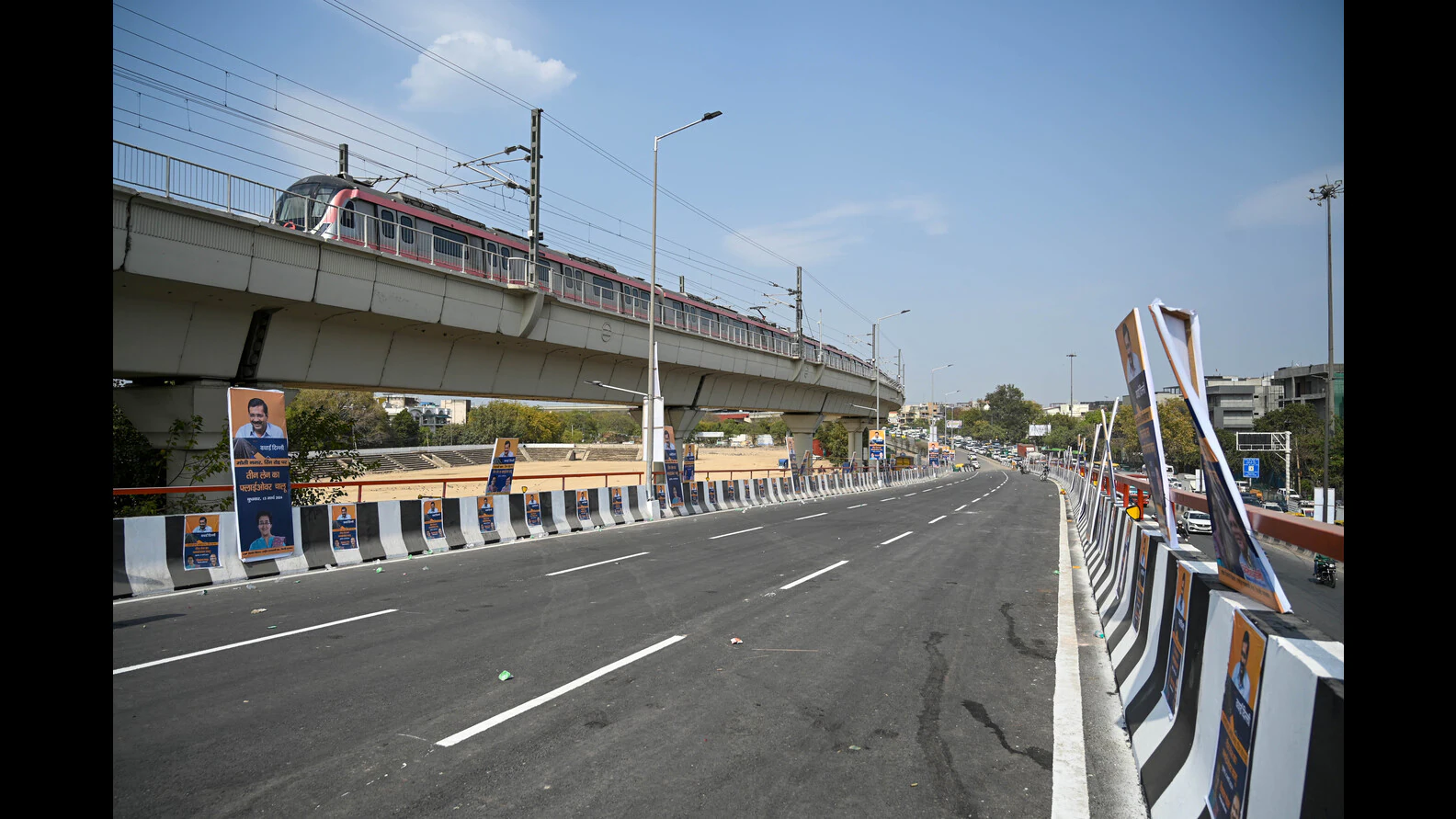
A road safety framework developed in Nagpur is being positioned as a model for wider adoption across Maharashtra, with authorities aiming to reduce fatalities by at least 10 percent. The initiative comes amid growing concern over rising road accidents in urban areas, where rapid motorisation and infrastructure gaps continue to pose risks to commuters. The Nagpur road safety model focuses on a combination of enforcement, data-driven monitoring, and targeted interventions at high-risk locations.
Officials indicate that accident-prone zones are being identified through detailed analysis, enabling authorities to deploy measures such as improved signage, traffic calming, and stricter rule enforcement. Urban mobility experts view this approach as a necessary shift from reactive responses to preventive planning. Indian cities have historically struggled with fragmented traffic management, often addressing accidents after they occur rather than mitigating risks in advance. The structured framework under the Nagpur road safety model attempts to bridge this gap by integrating policing, engineering, and public awareness. The initiative also highlights the importance of institutional coordination. Road safety is influenced by multiple agencies, including traffic police, municipal bodies, and transport departments. Aligning these stakeholders is critical to ensure that interventions are both consistent and effective. From an urban planning perspective, safer roads are central to building inclusive cities. High accident rates disproportionately affect pedestrians, cyclists, and two-wheeler users—groups that form a significant share of urban commuters. Experts argue that reducing fatalities requires not only enforcement but also redesigning streets to prioritise non-motorised and vulnerable users. The economic implications are equally significant. Road accidents lead to loss of life, reduced workforce productivity, and increased healthcare costs. Improving safety can therefore contribute to both social welfare and economic stability, particularly in fast-growing urban centres. There is also a sustainability dimension to the initiative. Safer streets can encourage a shift towards walking, cycling, and public transport, reducing dependence on private vehicles. This, in turn, can help lower emissions and improve air quality—key priorities for cities grappling with climate challenges. However, experts caution that achieving measurable reductions will require sustained effort. One-time enforcement drives or short-term campaigns are unlikely to deliver lasting results. Continuous monitoring, regular audits, and community engagement will be essential to maintain momentum.
The Nagpur road safety model is now being evaluated for replication across other cities in the state. If implemented effectively, it could offer a blueprint for addressing one of the most persistent challenges in urban India. As cities expand and traffic volumes increase, integrating safety into transport planning will be critical—not just to reduce accidents, but to create urban environments that are safer, more inclusive, and resilient.
ALSO READ – Nagpur Rice Exporters Face Setback After China Action
Nagpur Road Safety Model Targets Reduction In Fatalities
