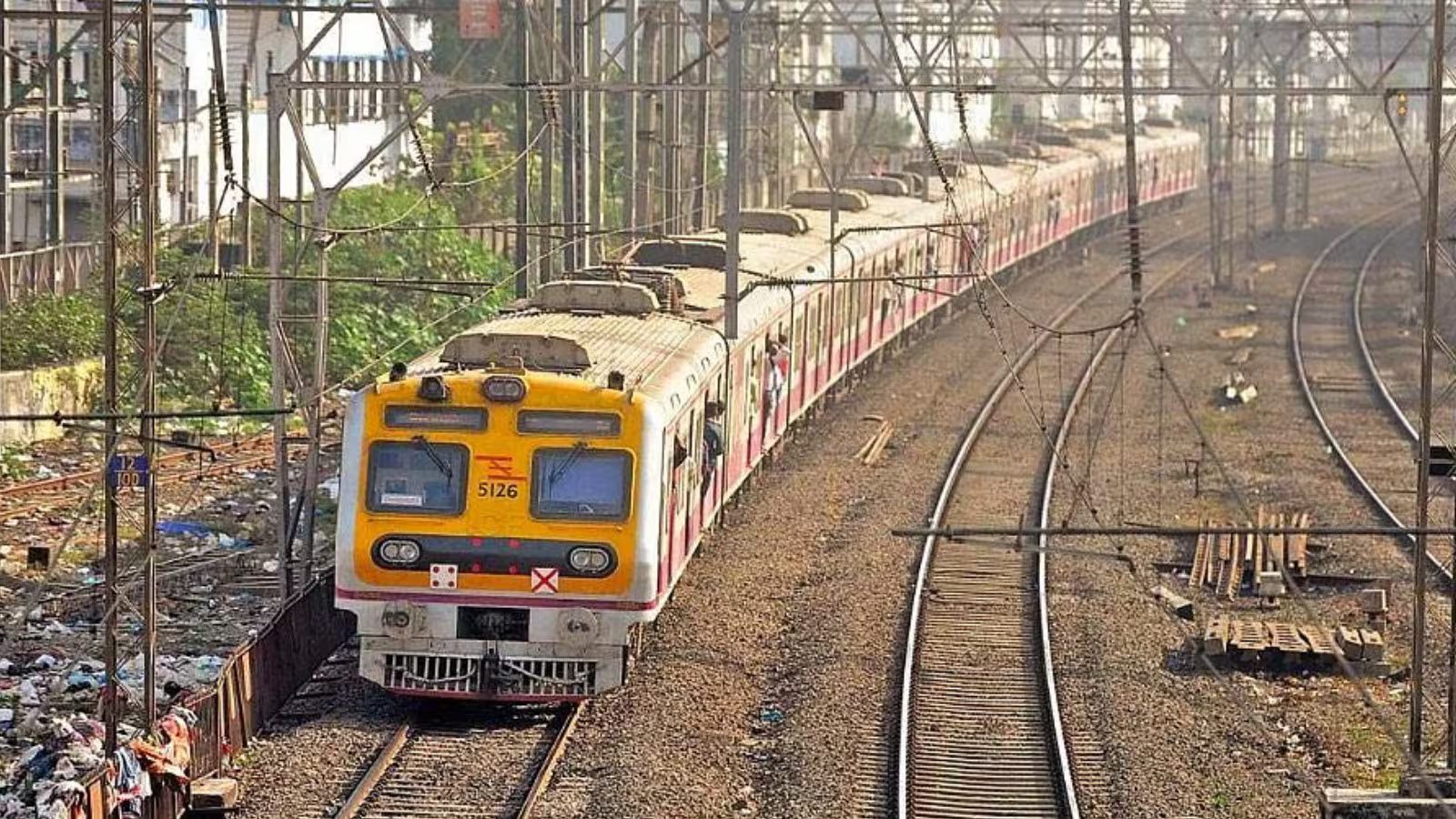
Mumbai’s suburban rail system could undergo a structural shift as authorities examine the feasibility of introducing an Mumbai underground local network along some of its busiest corridors. The proposal, currently at a study stage, aims to address chronic overcrowding while navigating the city’s severe land constraints, potentially reshaping how millions commute daily.b Officials involved in suburban rail planning indicate that conventional track expansion has reached physical and social limits. Densely built neighbourhoods, high land values, and the complexities of relocating residents have made above-ground expansion increasingly difficult. In this context, underground corridors are being explored as an alternative that could add capacity without extensive surface disruption.
Initial assessments are focusing on high-demand stretches across both central and western suburban networks. These corridors carry some of the heaviest passenger loads in the country, often operating beyond designed capacity during peak hours. By shifting select sections below ground, planners hope to decongest existing lines and improve operational reliability. Transport analysts note that an Mumbai underground local system could introduce several structural benefits. Segregated underground tracks would allow more predictable scheduling, reduce conflicts with long-distance rail traffic, and improve safety by limiting track trespassing. Additionally, controlled station access could help manage passenger flow more effectively, a long-standing challenge in Mumbai’s open-access suburban system. However, such a transition comes with significant financial and engineering considerations. Underground rail construction in a coastal city presents challenges related to soil conditions, water ingress, and ventilation systems. Experts suggest that costs could be substantially higher than surface-level expansion, requiring careful evaluation of long-term economic returns and funding models.
There are also broader urban implications. Moving rail infrastructure below ground could release surface land parcels, opening opportunities for public spaces, transit-oriented development, or green corridors. Urban planners argue that if aligned with sustainable design principles, such redevelopment could contribute to reducing heat stress, improving walkability, and supporting low-carbon mobility. At the same time, integration with existing metro lines will be critical. Mumbai has invested heavily in its metro network to diversify transit options, and seamless interchange between metro and suburban systems will determine the success of any underground expansion. Without coordinated planning, there is a risk of fragmented mobility rather than a unified transport ecosystem. For daily commuters, the promise of reduced crowding and safer travel conditions is significant. Yet, timelines remain uncertain, as feasibility studies, environmental assessments, and funding approvals are still underway.
The Mumbai underground local concept reflects a broader shift in how megacities are rethinking legacy transport systems under spatial and climate pressures. As the proposal evolves, the key question will be whether it can deliver not just capacity, but a more inclusive, resilient, and efficient urban mobility framework for one of the world’s most densely populated cities.