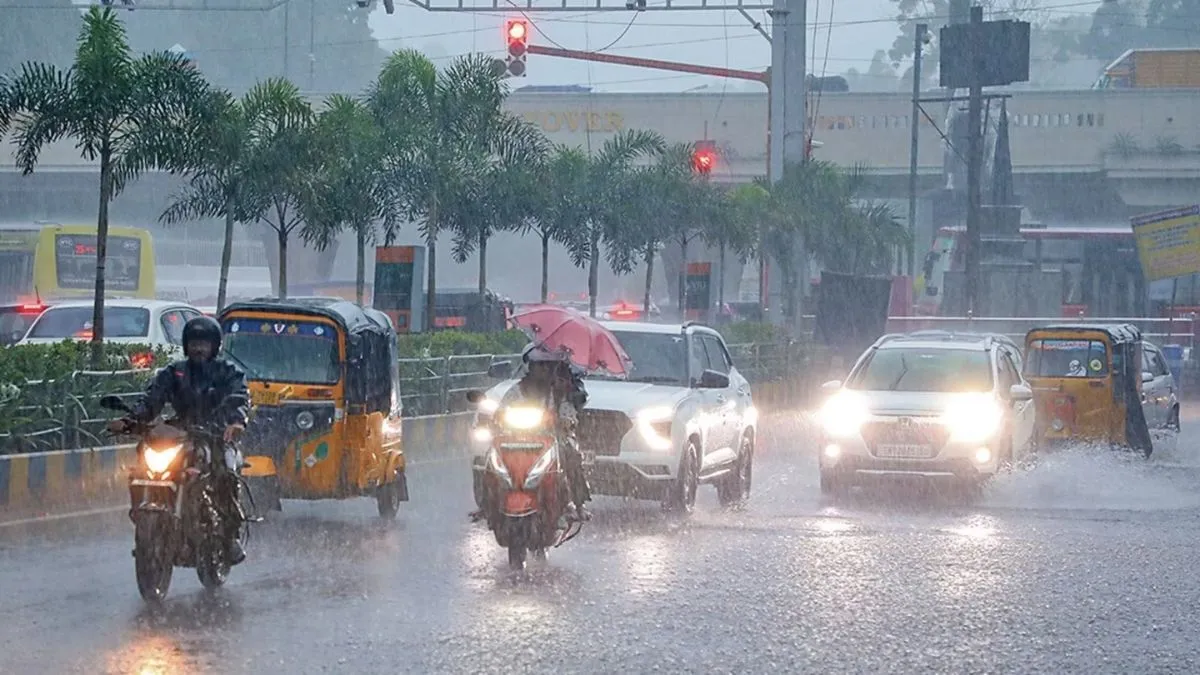
Chennai is expected to receive intermittent rainfall and thunderstorms over the coming days as a broader weather system intensifies across Tamil Nadu, offering temporary respite from rising summer temperatures while renewing attention on urban flood preparedness and drainage resilience.
The regional weather pattern, driven by moisture incursion over southern peninsular India, is forecast to bring moderate to heavy rainfall across several districts through midweek. Southern and delta regions are likely to witness the most intense spells, with authorities monitoring the possibility of waterlogging, traffic disruption and localised infrastructure stress in vulnerable urban pockets. For Chennai, the latest weather shift comes at a critical point in the pre-monsoon season when heat stress, humidity and uneven rainfall patterns increasingly shape urban living conditions. The city is expected to experience cloudy skies with scattered evening showers and thunderstorms, alongside gusty winds that may temporarily ease daytime temperatures. Civic officials have also begun reviewing stormwater drainage readiness in low-lying neighbourhoods that historically face flooding during sudden cloudbursts.
Urban planners say the changing intensity and frequency of summer rainfall events underline how climate volatility is reshaping infrastructure priorities in Indian metros. In Chennai, rapid construction activity, shrinking wetlands and pressure on natural water channels have repeatedly exposed weaknesses in drainage networks during heavy rainfall episodes. Experts warn that even short-duration showers can trigger severe mobility disruptions if water runoff systems are not maintained effectively.Across Tamil Nadu, districts in the southern belt and Cauvery delta are expected to receive stronger rainfall activity over the next 48 hours. Agricultural regions may benefit from improved soil moisture ahead of the next cultivation cycle, though excessive rainfall in isolated stretches could affect rural roads and local transport connectivity. Weather officials have also cautioned residents about lightning risks and wind speeds that may impact fishing and outdoor work activity. The evolving Chennai weather pattern has also revived discussions around heat mitigation and climate-adaptive city planning. Environmental researchers note that intermittent summer rain, while beneficial in reducing heat intensity, cannot substitute for long-term resilience measures such as blue-green infrastructure, lake restoration and permeable urban surfaces. Several neighbourhoods in the metropolitan region continue to experience contrasting extremes of heat exposure and flooding due to uneven urban expansion.
Transport experts further point out that weather-linked disruptions increasingly affect productivity and commuter safety in fast-growing urban corridors. Evening rainfall in Chennai routinely slows arterial traffic, strains public transport schedules and exposes gaps in pedestrian infrastructure, particularly in densely populated suburban zones. With forecasts indicating continued rainfall activity until at least May 13, local administrations are expected to maintain monitoring of vulnerable zones, waterlogging hotspots and civic response systems. The current spell may provide short-term relief from summer heat, but it also reinforces the growing need for climate-responsive urban infrastructure capable of managing both rising temperatures and extreme rainfall events.