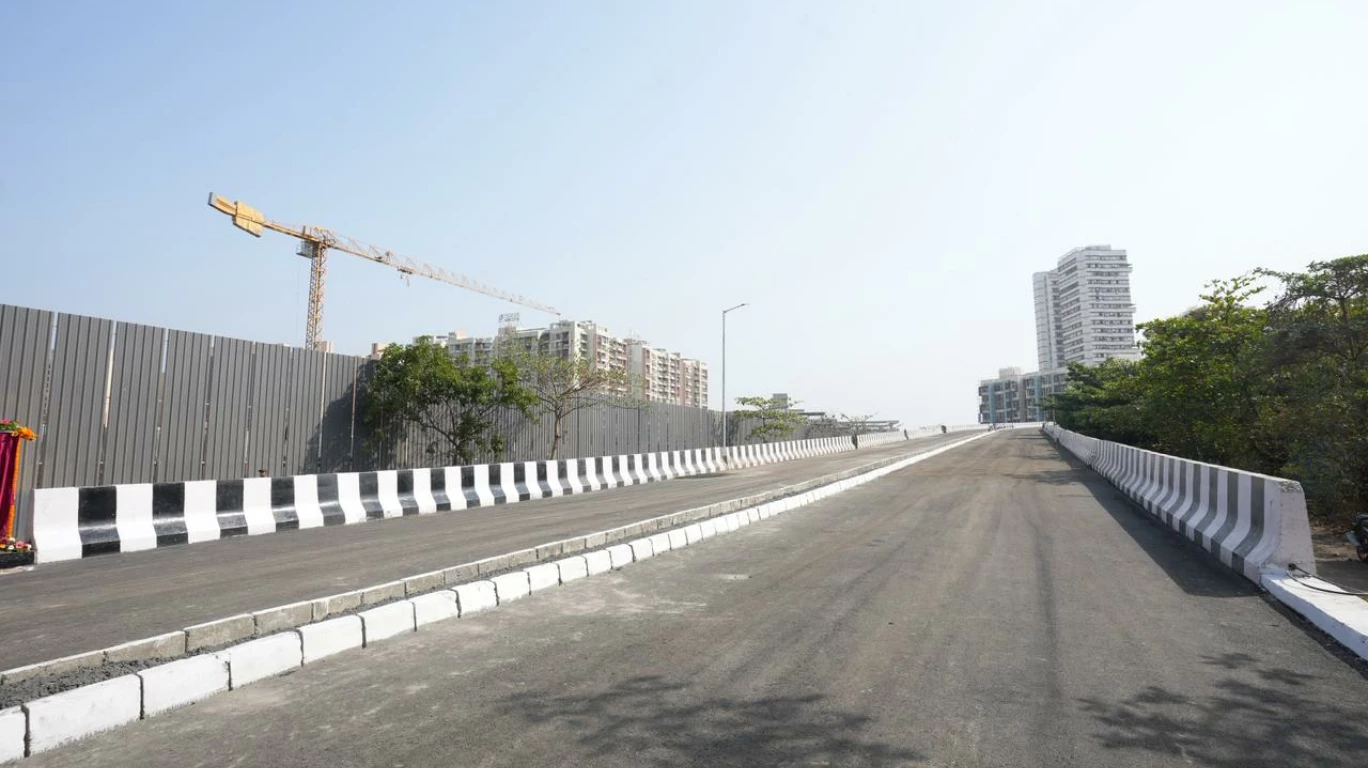
Vasai Virar Connectivity Boost Through New Flyover
A long-delayed flyover connecting eastern and western Virar has finally opened to traffic, offering relief to commuters in one of the Mumbai Metropolitan Region’s fastest-growing suburban corridors. The Narangi flyover, built near a key railway crossing, is expected to reduce congestion, shorten travel times and improve movement across the rapidly urbanising Vasai-Virar belt. The project’s completion comes at a crucial moment for the northern suburban region, where population growth, rising housing density and increasing vehicle ownership have placed mounting pressure on outdated transport infrastructure. Urban planners say improved east-west connectivity has become essential in peripheral metropolitan zones where rail lines continue to divide residential and commercial districts.
Developed over several years by the state public works department, the Virar flyover project experienced repeated construction delays linked to technical and engineering challenges. The prolonged timeline had triggered commuter frustration as traffic congestion intensified around the railway crossing during peak hours. Transport analysts note that level crossings across suburban railway corridors remain among the largest bottlenecks affecting mobility in expanding satellite cities around Mumbai. Delays at crossings often disrupt emergency movement, public transport efficiency and local economic activity, particularly in densely populated commuter towns. The newly operational structure is expected to improve vehicle circulation between Virar East and West by bypassing prolonged railway gate closures that previously caused extended queues. Officials associated with the project estimate that regular commuters could experience significant reductions in travel time during daily peak-hour movement. Urban infrastructure experts say such connectivity upgrades play a larger role beyond easing traffic. Faster movement between residential areas, markets and workplaces can improve labour mobility, support local commerce and strengthen access to public services in suburban growth centres.
The opening of the Virar flyover also reflects wider infrastructure pressures facing the Vasai-Virar region, which has emerged as one of the Mumbai Metropolitan Region’s major affordable housing destinations over the past decade. While residential construction has accelerated rapidly, transport and civic infrastructure expansion has often struggled to keep pace with population growth. Mobility specialists caution that flyovers alone may not fully resolve long-term congestion challenges unless integrated with broader public transport planning, pedestrian access improvements and traffic management systems. They argue that suburban infrastructure investments must increasingly align with sustainable urban mobility goals rather than prioritising only private vehicle movement. Still, residents and local businesses are expected to benefit from reduced idling time, lower fuel consumption and improved reliability of daily travel routes around the railway crossing zone. Reduced congestion may also help lower localised vehicular emissions in heavily trafficked stretches.
Urban policy observers believe the project underlines the growing importance of last-mile and cross-corridor connectivity in metropolitan planning. As suburban districts continue expanding outward, infrastructure delivery timelines and coordination between transport agencies are likely to become critical determinants of liveability and economic resilience across the region.